Walking Serowe Village the Kgotla the Hill and the Khama Family Graves
A practical guide to Walking Serowe Village the Kgotla the Hill and the Khama Family Graves.
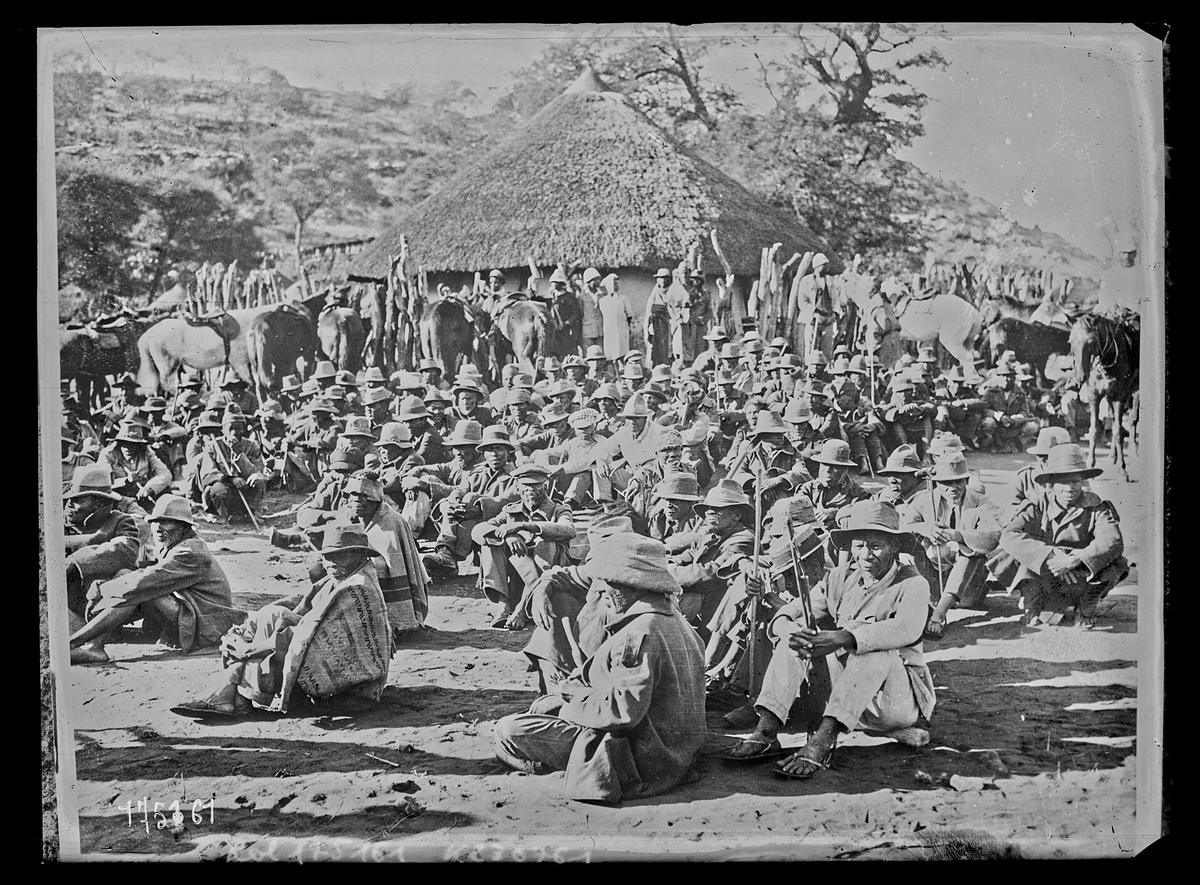

The Hilltop Capital of the Bangwato
Serowe sits in the heart of Botswana, a village whose rhythm is set not by traffic but by the deep pull of history. It is the traditional capital of the Bangwato people, a place that grew from a deliberate act of relocation. When water ran short at Old Palapye, Kgosi Khama III led his people here and founded a new capital that would become one of the most politically significant villages in the country. The settlement fans out below a commanding hill, and that hill, Thathaganyana, is the geographical and spiritual anchor for everything a visitor might want to understand.
The village has produced an extraordinary line of national leaders. It is the birthplace of Sir Seretse Khama, Botswana's first president, as well as two of his successors: Festus Mogae, the third president, and Ian Khama, the fourth. This concentration of leadership in one small place is no accident. The institutions and traditions centred here, particularly the kgotla system, have shaped a national culture of consultation and public discourse that reaches far beyond the village boundaries.
The Kgotla at the Foot of the Hill
The main kgotla of Serowe lies directly below Serowe Hill, a placement that reinforces the connection between the living community and the ancestors buried above. A kgotla is at once a traditional meeting place and a customary court, and the Serowe kgotla remains an active forum where community matters are still discussed in public. This is not a museum piece or a re-enactment for visitors; it is a functioning institution where the rhythms of debate and resolution follow protocols refined over generations.
Standing at the kgotla is a statue of Sir Seretse Khama, erected to mark the tenth anniversary of his death. The statue anchors the space in modern memory, a reminder that the first president of Botswana came from these meeting grounds and carried their ethos of open deliberation into the formation of a democratic state. Visitors who wish to see the kgotla should understand that it is a working civic space. Access arrangements can vary, and the most reliable approach is to confirm the current situation locally with the Tribal Administration office before planning a visit.
The Royal Cemetery on Thathaganyana Hill
Thathaganyana Hill, also referred to as Serowe Hill, rises above the village and holds the Royal Cemetery of the Khama dynasty. The cemetery contains the graves of Sir Seretse Khama and his wife Ruth Khama, whose marriage caused an international controversy that became a defining story of Botswana's independence. Also buried here are Khama III, the founder of modern Serowe; Tshekedi Khama, the regent who held the Bangwato together during turbulent years; and Sechele I, among other Bangwato leaders. The graves overlook the village, a layout that places the ancestors in a position of perpetual watchfulness over the community they shaped.
One grave carries a distinctive marker. The grave of Khama III is marked by a bronze duiker, a small antelope that is the Bangwato totem, known as phuti in Setswana. The totem is a clan symbol, and its presence on the grave connects the individual leader to the collective identity of the people he led.
Visitors must obtain permission before visiting the Royal Cemetery. The research points to two possible starting points: the chief's office at the foot of the hill, or the police station in the barracks near the kgotla. Which office currently handles visitor access may change, so the prudent step is to verify the procedure with the local Tribal Administration office at the kgotla before making the climb. Do not assume you can simply walk up. The cemetery is a sacred site, and the permission process is a matter of respect, not merely formality.
Stones Carried from Old Palapye
Not all of Serowe's landmarks sit on the hill or at its base. The London Missionary Society church, now part of the United Congregational Church of Southern Africa, stands in the village with a tall steeple that remains an important local landmark. The church was reconstructed using the original stones from the first church built at Old Palapye, a physical link between the abandoned capital and the new one. The decision to carry those stones and rebuild rather than quarry fresh ones speaks to a deliberate continuity of faith and community identity across the relocation.
The building is a working church, not a tourist attraction with posted hours. Visitors interested in seeing the interior or learning about its history should make enquiries locally rather than expecting a formal visitor programme.
The Khama III Memorial Museum
The Khama III Memorial Museum occupies a restored red Victorian building and holds a collection that chronicles the Khama family legacy and the broader history of Serowe. Inside are furniture, uniforms, correspondence and photographs that trace the story of a dynasty and a village that have been central to Botswana's national narrative. The museum is a natural complement to the kgotla and the cemetery, providing the documentary and material record that the other sites express in stone and ritual.
Opening hours and access arrangements for the museum may vary, and it is advisable to confirm these locally before travel. The museum is not a large institution with a fixed public schedule of the kind you might expect in a capital city, and a brief enquiry in advance can prevent a wasted journey.
Planning a Walking Route Through Serowe
A walking tour of Serowe naturally organises itself around the hill. Start at the kgotla, the civic heart, where the statue of Sir Seretse Khama stands and the public meeting space sets the tone for understanding how the community governs itself. From there, make your way to the Khama III Memorial Museum to absorb the documentary history that gives context to the names and events you will encounter. The museum and the kgotla are close enough that the order between them matters less than ensuring you have the background before you climb.
The ascent to the Royal Cemetery on Thathaganyana Hill is the culmination. The hill overlooks the village, and the graves at the top connect the leaders buried there to the land and the people below. The bronze duiker on Khama III's grave is a detail that rewards the climb. The London Missionary Society church can be visited at any point along the route, and its steeple is a useful orientation marker from various points in the village.
Serowe lies roughly 250 kilometres from Gaborone, west of the main Gaborone to Francistown road, with tarred road access via the A14 from Palapye. The village is not a drive-through stop; it requires a deliberate detour, and that detour is best undertaken with enough time to move through the sites at a pace that respects their significance rather than ticking them off a list.
Practical Considerations for Visitors
The two main sites that require advance planning are the Royal Cemetery and the Khama III Memorial Museum. For the cemetery, the permission requirement is non-negotiable. Enquire at the Tribal Administration office at the kgotla to learn which office currently handles access, whether the chief's office at the foot of the hill or the police station in the barracks nearby. Do not rely on second-hand accounts or outdated guidebook entries; the responsible authority is the local tribal administration, and a direct enquiry is the only way to be certain.
For the museum, the same principle applies. Confirm opening hours and access arrangements locally before travel. Serowe is not a place with a tourist information centre that keeps posted hours, and the most reliable approach is to ask at your accommodation or at the kgotla offices once you arrive.
The walking route between these sites is compact, but the hill climb requires reasonable fitness and appropriate footwear. Carry water, especially in the hotter months. The village has basic services, but it is not a resort destination, and visitors should come prepared for a self-guided experience grounded in respect for the living traditions and burial sites they are entering.
Sources and verification
- botswanatourism.co.bw — Research source checked for this guide
- botswanasafaris.travel — Research source checked for this guide
- botswana.co.za — Research source checked for this guide
Read next
-
 Khama III Memorial Museum
The Khama III Memorial Museum in Serowe tells how a Bamangwato king outmanoeuvred Cecil Rhodes and laid the foundations for modern Botswana.
-
 Botswana Beyond the Delta Towns Museums and the Roads Between Them
Botswana is more than the Okavango Delta—its large villages, museums, and long roads reveal a country of deep history and quiet cultural riches.
-
 Botswana Without a Luxury Safari A Practical Independent Route
A practical guide to Botswana Without a Luxury Safari A Practical Independent Route.
-
 Khama Rhino Sanctuary from Serowe Getting There Without Your Own Vehicle
A practical guide to Khama Rhino Sanctuary from Serowe Getting There Without Your Own Vehicle.
-
 Mwinilunga Travel Guide to Zambia’s Northwestern Borderlands and Markets
Plan Mwinilunga around its markets and overland routes, with candid advice on transport, accommodation, border access, and connectivity.
-
 Getting to Nauru, the Pacific State Where Air Schedules Define Your Stay
A logistics briefing on reaching Nauru by air — covering weekly flights from Brisbane and Honiara, visa-on-arrival requirements, and planning around fixed departure dates.
-
 Nauru, the Pacific Republic That Phosphate Built and Nearly Erased
Nauru is one of the Pacific's most overlooked republics. A candid guide to topside, Buada Lagoon, colonial history, and how to actually get there.
-
 Planning Independent Travel in the Wakhan Corridor, Tajikistan
Independent travel in Tajikistan's Wakhan Corridor: GBAO permits, road conditions from Ishkashim, realistic travel windows, and honest logistics for serious overlanders.