Maun: The Okavango Delta's Gateway Town, Its Airfield, and Its Outfitters
Maun is the Okavango Delta's gateway town, where safari outfitters line the riverfront and bush flights depart for the delta's remote concessions.
- Flag
-

- ISO code
- BW
- Population
- 85,350
- Currency
- BWP
- Timezone
- Africa/Gaborone
Maun: the Okavango Delta’s Launch Point, Its Airfield, and Its Outfitters
Maun is not a pretty town. Its value is blunt and functional: an airstrip, a row of safari offices along the Thamalakane River, and the sand track north to Moremi Game Reserve. Arrive expecting postcard charm and you will be disappointed. Arrive knowing this is where you book your delta safari, board your bush flight, or air down your tyres for deep sand, and you will use it correctly.
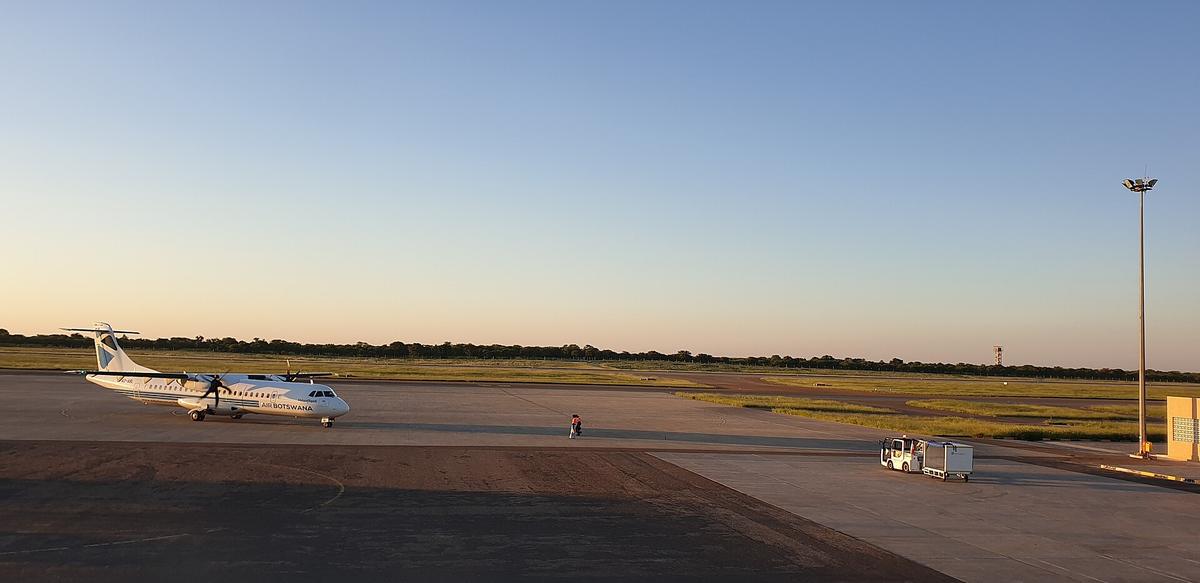
Start at the airport. Maun Airport (MUB) is the hub for light aircraft into the Okavango Delta concessions. Fixed-wing Cessna 206 and 208 Caravans and Bell 206 JetRanger helicopters operate scenic flights and scheduled transfers into camps. Book the flight as part of your safari package through your outfitter, not as a standalone add-on online. The reason: outfitters bundle the flight with accommodation and game drives at a lower combined rate than you can assemble yourself. If you are not staying in a concession camp and just want a scenic flight, 45-minute and 60-minute options run USD 120 to 150 per person (2025 rates). A 90-minute helicopter tour hits USD 350. Buy that direct from the operator at the airport terminal. Do not pay a middleman.
Booking a Mokoro Trip Direct
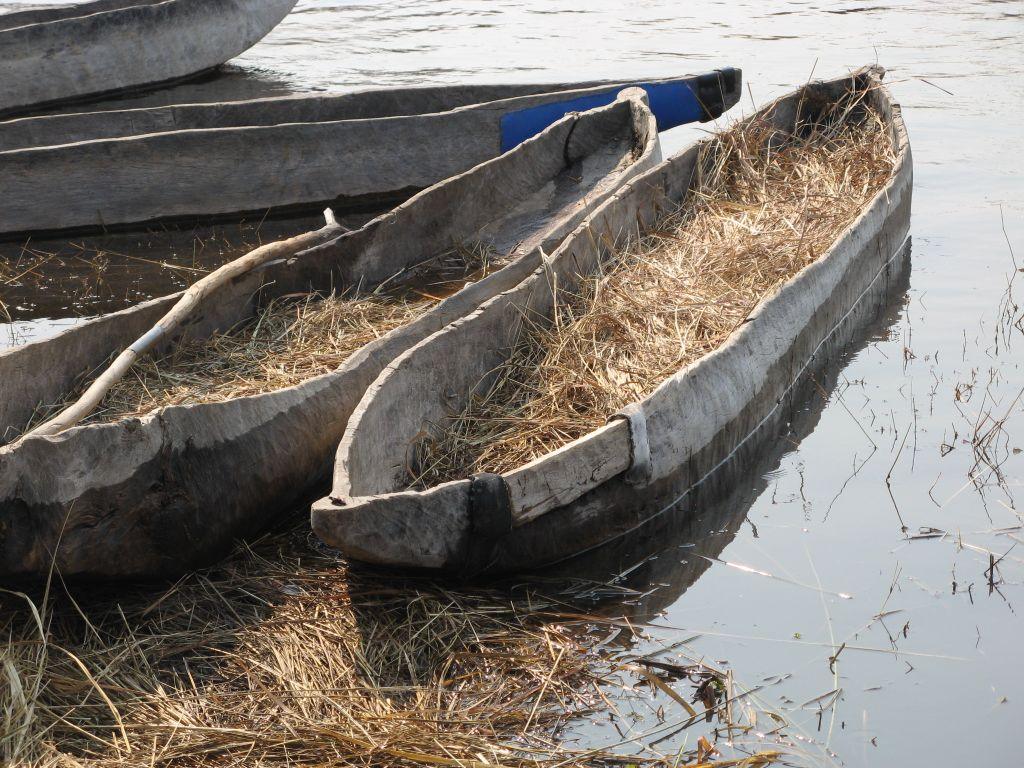
For a mokoro trip, your booking point is Old Bridge Backpackers or the polers' trust at the Boro River departure point. Do not book online in advance. The reason: local polers' cooperatives set the price on the day based on group size and whether you add a game walk. A day trip runs BWP 350 to 600 per person (2025). Overnight trips run BWP 1,200 to 2,500. Pay in pula, cash, at the departure point. No card machine. No deposit. Show up by 07:30 to join a group going out that morning.

How to Find and Vet an Outfitter in Person
Walk Mathiba I Road. This is the main east-west street. Along it and the riverfront lanes you will find more than a dozen safari outfitters. Go inside. Do not call or email from home first. The reason: walking in lets you see their fleet, check tyre tread, ask which guide you get, and negotiate the itinerary on the spot. A good outfitter will show you a map of the concession they use and name the guide who will take you. A bad one will talk in generalities and ask for a deposit immediately.
The Four Questions That Expose a Weak Operator
Ask four questions. Which gate do you use for Moremi? (Answer should be South Gate or North Gate, not a vague "we go to the delta.") What 4x4 do you run? (Answer must be a high-clearance model, not a sedan or minibus.) What is your guide's full name and how many years have they worked that concession? (Three years minimum in the same area.) What happens if the truck breaks down? (They should have a backup rig on standby in Maun.) If they hesitate on any of these, walk to the next office.
In-Person Booking Versus Online Advance Booking
Booking in Maun versus booking online in advance. Online advance booking gives you a fixed price and a guaranteed slot in peak season, but you pay a premium of roughly 20 to 30 percent and you cannot inspect the truck or meet your guide. In-person booking in Maun during a shoulder month (May or October) lets you negotiate a lower rate and choose your exact dates. Do not arrive in July or August without a reservation. Those months fill six months ahead. If you have a reservation and want to downgrade to a cheaper operator after seeing the truck, too bad. You lose your deposit.
The Road North to Moremi and the Maun Outfitters
The B334 gravel and sand road from Maun to Moremi South Gate runs roughly 100 kilometres. In the dry season (May to October) you need 2.5 to 3 hours. In the wet season (November to April) add an hour for mud and possible floodwater crossings. Drive a high-clearance 4x4. A sedan will bottom out in the sand before you reach the gate. Air your tyres down to 1.2 to 1.5 bar (18 to 22 psi) at the Shell Maun station on Mathiba I Road before you leave. If you do not, you will get stuck. The last reliable fuel station before the gate is Shell Maun or Puma Maun on Sir Seretse Khama Road. Fill both tanks. There is no diesel or petrol between Maun and South Gate. Unleaded petrol 93 runs approximately 15.20 pula per litre (August 2026). Diesel 50 ppm is approximately 14.80. Carry two full 20-litre jerry cans if your truck has the roof rack space.
Wet-Season Water Crossings
Water crossings in the wet season are not optional. The road crosses seasonal floodplains that turn into flowing channels after heavy rain. Scout the depth on foot before driving. If water reaches the bumper, turn around. Do not follow tyre tracks of another truck. Those tracks may belong to a lifted Land Cruiser on 33-inch tyres. You are not driving that. The Maun Auto Electrical and Mechanical workshop on Mathiba I Road stocks spare parts for Land Cruisers and Hiluxes. If you break a control arm or burst a hose, go there. No other workshop in Maun carries 4x4 spares in the same range.
Lodge Pick-Ups and How Many Nights to Book
If you are not self-driving, your outfitter's truck will pick you up from your lodge. Do not ask to meet them at the gate. That costs extra. Most outfitters include a Maun pick-up within 15 kilometres of town. Riverfront lodges (BWP 2,500 to 8,000 per night double in 2025) are on the Thamalakane River banks, five to 15 kilometres from the town centre. In-town accommodation (BWP 400 to 1,800 per night double) ranges from backpacker dormitories at Sitatunga Camp to mid-range guesthouses like Maun Lodge. Book three nights minimum if you are doing two safari days. One night is too tight. You lose the first day to driving or flying.
Provisioning Before You Leave
Provisioning before the drive: Spar on Mathiba I Road and Choppies on Tsheko Tsheko Road carry camping food, bottled water, beer, and fuel canisters. Buy everything before 17:00. Both shops close by 19:00, and Spar sometimes closes at 18:00 on Sundays. If you arrive after dark, the filling station convenience stores sell UHT milk and crackers but not cooking gas or fresh vegetables.
In-Town Accommodation Tiers and Practicalities
Maun's accommodation splits into two tiers with a gap in the middle. In-town options (BWP 400 to 1,800 per night double) serve budget and mid-range visitors. Backpacker lodges such as Old Bridge Backpackers and Sitatunga Camp offer dorm beds around BWP 250 per person and private rooms near BWP 600. Guesthouses like Maun Guest House and The Boma sit in the BWP 900 to 1,800 range. These have private bathrooms, Wi-Fi that works intermittently, and a kitchen. Riverfront lodges (BWP 2,500 to 8,000) occupy the next tier. These are not luxury safari camps of the delta concessions. They are comfortable lodges with river views, a pool, and a bar. You stay there only on your first and last nights. The real safari camp is inside the concession, reachable by bush flight from Maun Airport.
Nhabe Museum: Worth an Hour?
One in-town attraction worth an hour: Nhabe Museum on Mathiba I Road, opposite the airport turn-off. Entry is BWP 30 (2025). Open Monday to Friday 08:00 to 17:00, Saturday 09:00 to 13:00. It covers the Okavango Delta's ecology and the history of the Batawana people. Thirty minutes is enough. Skip it entirely if your safari departs at dawn. It is a small museum, not a destination.
The Honest Truth About Maun
A final honest caveat. Maun exists to get you out of Maun. If you are not heading into the delta or up to Moremi, there is little reason to stop. The town is dusty, the heat is oppressive from October to March, and the riverfront has more safari supply shops than restaurants. Use it as the functional launch point it is. Book your flights from the airport, your safari from an office on Mathiba I Road, and your 4x4 from a rental agency that confirms high-clearance availability in writing. Then go north. That is where the reason for being here begins.

| Tier | Price Range (BWP) | Typical Properties | Location | Best For |
|---|---|---|---|---|
| Backpacker / Budget | 400–800 | Old Bridge Backpackers, Sitatunga Camp | In town or river edge | Solo budget travellers, self-drivers on a tight budget |
| Mid-Range Guesthouse | 900–1,800 | Maun Guest House, The Boma | In town, Mathiba I Road area | Couples, small groups needing private bathroom and kitchen |
| Riverfront Lodge | 2,500–8,000 | Thamalakane Lodge, Maun Lodge | Thamalakane River banks, 5–15 km from centre | Pre- and post-safari overnighters wanting comfort and a pool |
What to See in Maun
Common Questions
Can I book a mokoro trip from Maun without a tour operator?
Yes. Go to Old Bridge Backpackers or the Boro River departure point before 08:00. Negotiate directly with the polers' trust. A day trip costs BWP 350, 600 per person. Pay in cash in pula. No advance booking needed outside peak season.
What is the difference between a scenic flight and a bush transfer to a delta camp?
A scenic flight returns to Maun after 45 to 90 minutes. A bush transfer drops you at a concession camp where you stay. Book the transfer through your safari package. Book the scenic flight direct at the airport terminal.
Do I need a 4x4 to drive from Maun to Moremi Game Reserve?
Yes, a high-clearance 4x4 is mandatory. The B334 road is deep sand in dry season and flooded in wet season. Air tyres down to 1.2 bar. A sedan will get stuck. Fill both fuel tanks at Shell or Puma Maun before leaving.
How far ahead should I book a safari from Maun in peak season?
Book July and August departures six months in advance. Outfitters fill their slots by February. For shoulder months (May, June, September, October), booking one month ahead is safe. In-person booking in Maun works for November through April.
Read next
-
 Moremi Game Reserve
 rewards self-drivers with raw wilderness but punishes the unprepared with deep sand, faint tracks, and campsites that book out months ahead.
Moremi Game Reserve
Moremi Game Reserve rewards self-drivers with raw wilderness but punishes the unprepared with deep sand, faint tracks, and campsites that book out months ahead.
-
 Botswana Beyond the Delta Towns Museums and the Roads Between Them
Botswana is more than the Okavango Delta—its large villages, museums, and long roads reveal a country of deep history and quiet cultural riches.
Botswana Beyond the Delta Towns Museums and the Roads Between Them
Botswana is more than the Okavango Delta—its large villages, museums, and long roads reveal a country of deep history and quiet cultural riches.
-
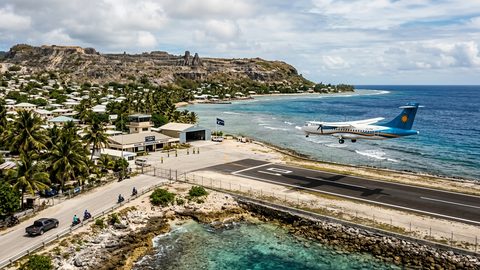 Getting to Nauru, the Pacific State Where Air Schedules Define Your Stay
A logistics briefing on reaching Nauru by air — covering weekly flights from Brisbane and Honiara, visa-on-arrival requirements, and planning around fixed departure dates.
Getting to Nauru, the Pacific State Where Air Schedules Define Your Stay
A logistics briefing on reaching Nauru by air — covering weekly flights from Brisbane and Honiara, visa-on-arrival requirements, and planning around fixed departure dates.
-
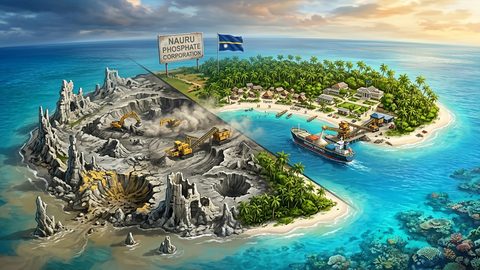 Nauru, the Pacific Republic That Phosphate Built and Nearly Erased
Nauru is one of the Pacific's most overlooked republics. A candid guide to topside, Buada Lagoon, colonial history, and how to actually get there.
Nauru, the Pacific Republic That Phosphate Built and Nearly Erased
Nauru is one of the Pacific's most overlooked republics. A candid guide to topside, Buada Lagoon, colonial history, and how to actually get there.
-
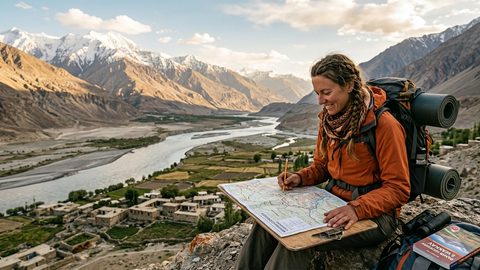 Planning Independent Travel in the Wakhan Corridor, Tajikistan
Independent travel in Tajikistan's Wakhan Corridor: GBAO permits, road conditions from Ishkashim, realistic travel windows, and honest logistics for serious overlanders.
Planning Independent Travel in the Wakhan Corridor, Tajikistan
Independent travel in Tajikistan's Wakhan Corridor: GBAO permits, road conditions from Ishkashim, realistic travel windows, and honest logistics for serious overlanders.