Banfora, Burkina Faso: The Cascades Region Town of Waterfalls and Sugar Cane
Banfora, in Burkina Faso's Cascades region, is a laid-back town surrounded by sugar-cane fields, waterfalls, and the jagged Sindou Peaks.
- Flag
-

- ISO code
- BF
- Population
- 117,452
- Currency
- XOF
- Timezone
- Africa/Ouagadougou
Banfora is Not What You Think it is
Most travellers heading for Burkina Faso picture the dry heat of Ouagadougou, the dust of the Sahel, and a landscape baked brown for most of the year. That picture is true for much of the country. It is false for Banfora. This town sits on a sugar-cane plain in the Cascades region, and the contrast with the capital is immediate. The air is thicker. The ground is green. The main street feels less like a regional centre and more like a large village where life moves at the speed of the harvest cycle. Banfora is not a destination where you spend four days doing planned activities. It is a base for two or three days of day trips to waterfalls, rock formations and a lake with hippos. The real reason to come is what lies outside the town limits, not the town itself.
Why Two Days and Why Three
Banfora sits 85 kilometres south-west of Bobo-Dioulasso, a drive of about an hour and a half on a road that is paved and reliable. You arrive, check into a guesthouse, and realise the town has no central attraction worth a full morning. The draw is the countryside. Plan two days minimum for the immediate area: one morning for the Karfiguéla waterfalls and the Fabédougou Domes, another morning for Lake Tengréla and its hippos. Add a third day if you want the Sindou Peaks, which lie 50 kilometres west on a road that takes roughly an hour each way. That extra day turns the trip from a quick stopover into a proper three-day loop that covers the region's four main sites without rushing any of them.
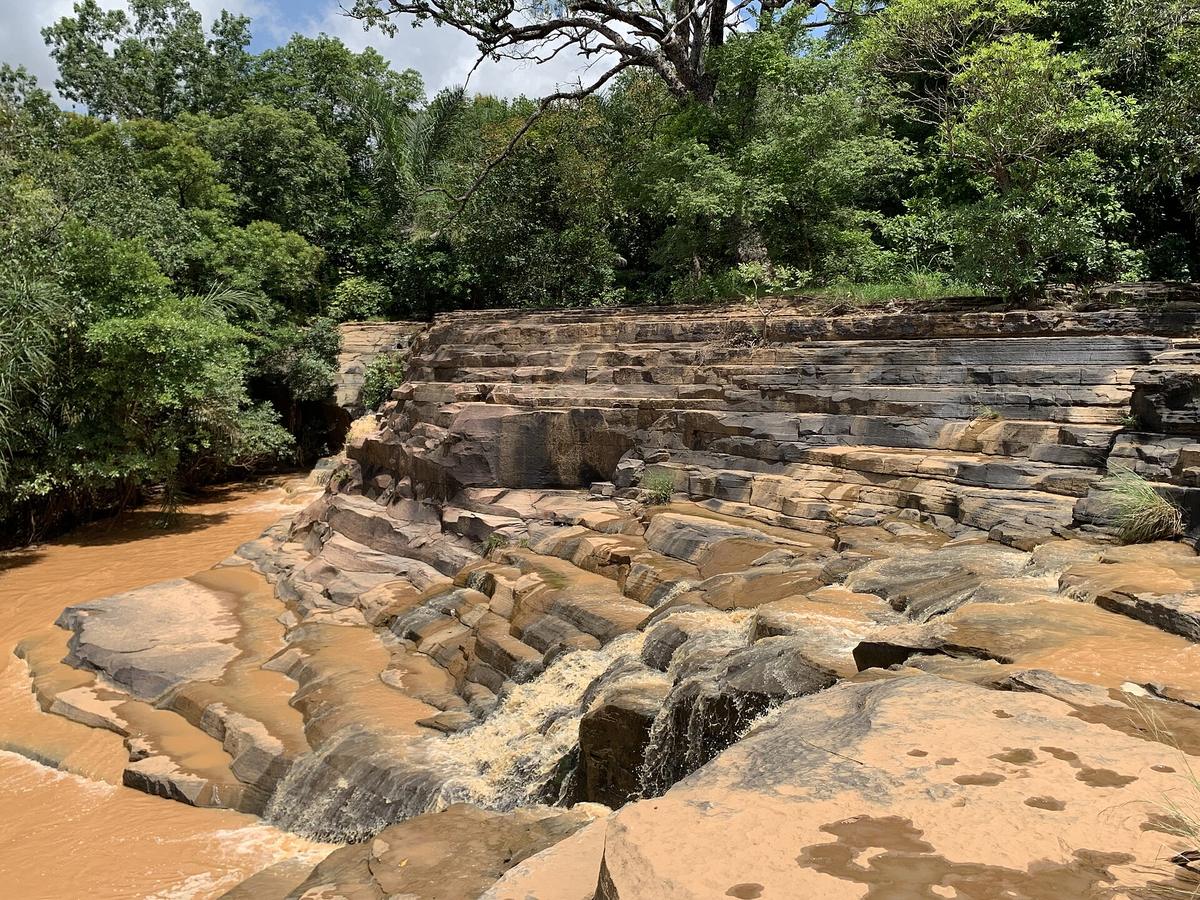
Karfiguéla Waterfalls And The Fabédougou Domes In One Morning
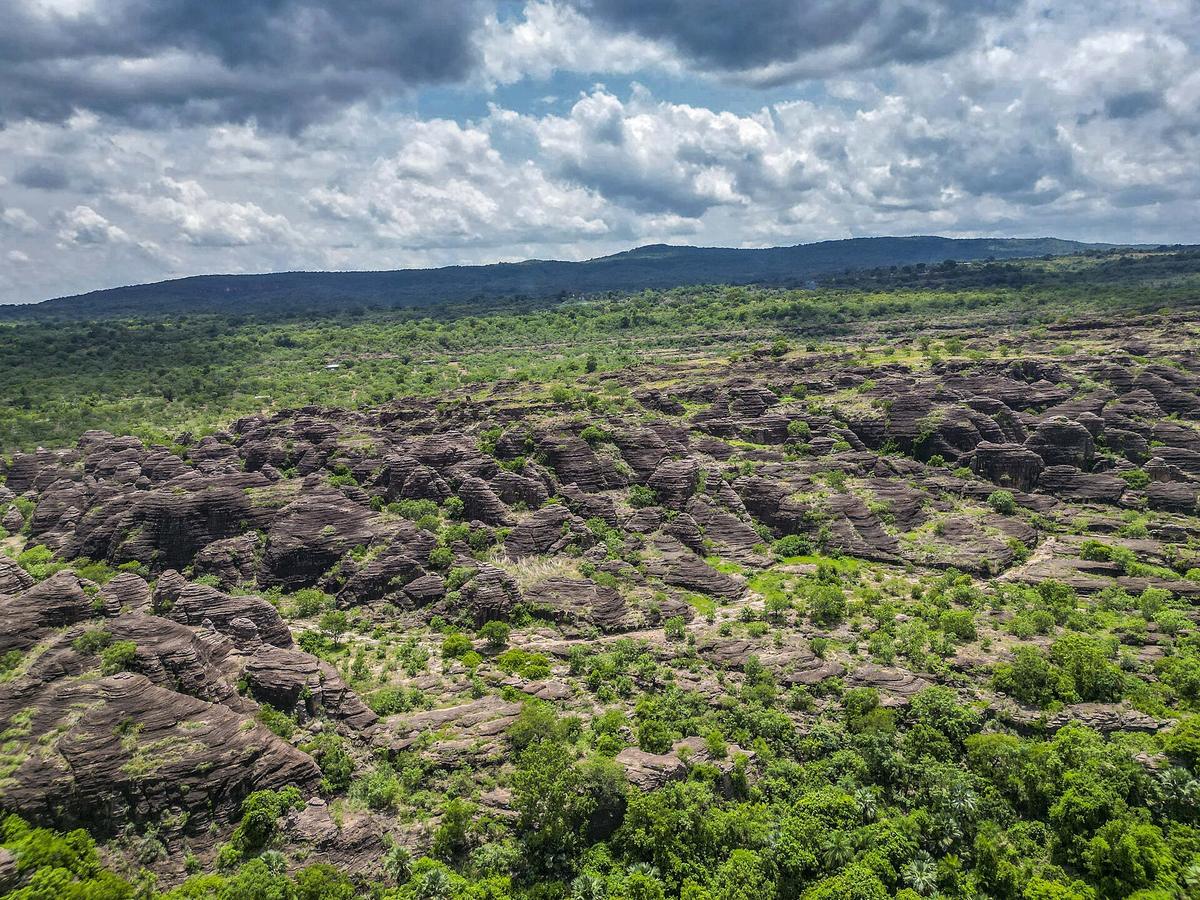
The Cascades de Karfiguéla are 12 kilometres north-west of Banfora. The name means waterfalls, and the definition depends entirely on when you arrive. From July to October, the falls are a broad, powerful curtain of water dropping over a sandstone escarpment into a pool that invites wading. From November to June, the flow reduces to a trickle or stops entirely. Arrive in December, the dry season's peak, and you will see a rock face with a damp stain and a shallow pool, not a waterfall. The sugar-cane harvest runs from November to March, and that period changes the landscape in another way: the fields surrounding Banfora turn from green to gold as the cane is cut, and the SN SOSUCO factory runs at full capacity, sending steam and a sweet, burnt smell across the plain. That is interesting. But the falls are not. Adjust your timing or adjust your expectations. Come during the dry season and you should skip the falls entirely. Focus on the Fabédougou Domes, 10 kilometres north-west and unaffected by rainfall. These are sandstone rock domes estimated at 1.8 billion years old, Precambrian formations that rise out of the sugar-cane fields like the backs of buried giants. Walk up the gentle slope of one dome and you get a full-circle view of the green plain. It is a better use of a dry-season morning than staring at a dry cliff.
Finding A Guide In Banfora
You do not need a guide for the main sites. Hire one anyway. Your guide knows the tracks, the farmers who own the land, and the hippo habits on Lake Tengréla. The daily rate for a guide in the Banfora area ranges from XOF 15,000 to XOF 25,000, depending on the distance of the site and your negotiation. Ask at your hotel. Hôtel Canne à Sucre and Auberge Le Bambou both have reliable contacts. Do not pay more than XOF 25,000 for a full day that includes the falls, the domes, and the lake. If you add the Sindou Peaks, budget for a supplement because the drive is longer.
Scooter Or Taxi For The Day
Renting a scooter in Banfora costs roughly XOF 5,000 to XOF 10,000 per day. It is the best way to cover the sites at your own pace. The roads to Karfiguéla and Fabédougou are dirt but flat and well-trodden. A scooter handles them easily. If you do not ride, hire a taxi for the day. Negotiate a flat rate before departure: expect XOF 15,000 to XOF 25,000 for the three-site loop of waterfalls, domes and lake. The driver will wait. The taxi is less fun than the scooter but more practical if you are travelling with two or three people, because the cost splits evenly.
Lake Tengrela And The Hippo Schedule
Lake Tengréla is 8 kilometres west of Banfora. The hippo population was estimated at 20 to 30 individuals in recent counts. Verify that number with your guide service before you set expectations. Hippos are not guaranteed to appear. They are most visible in the early hours, between 06:30 and 08:30, when they come to the banks to feed. Arrive by 06:00, walk the short trail to the viewing point, and stay quiet. Turn up at 10:00 and the hippos will be submerged in deeper water. You will see nothing but ripples. The lake itself is surrounded by farmland and has a calm, rural feel that is entirely different from the tourist-heavy hippo sites in East Africa. That is the appeal. Bring binoculars. Do not bring a boat. The local fishermen ask you to stay on the banks and they are right to do so.
The Sindou Peaks As An Add On
The Sindou Peaks are 50 kilometres west of Banfora, a drive of about one hour on a road that is paved for the first half and dirt for the second. The peaks are limestone rock pinnacles, a narrow canyon of sharp grey stone that rises from the savannah. Walk through the canyon and see the rock eroded into towers and spires. The site is worth the drive, but only if you have three days in the area. With only two days, skip the peaks and spend the second morning on the lake and the domes. The peaks are not a half-day site. The drive eats two hours round trip, and the walk through the canyon takes another hour and a half. You need a guide here. The trail markers are inconsistent and it is easy to wander into the wrong drainage.
The Sugar Cane Plain and the Railway That Stopped Running
Banfora exists because of sugar. The SN SOSUCO processing plant dominates the town's economy, and during the harvest season from November to March, the plain is a patchwork of green cane fields and blackened patches where the stubble has been burned. The factory is not open to casual visitors, but you can see it from the road and smell it from anywhere in town. The sugar-cane plain shapes the town's rhythm. Shops open and close around the factory shifts. Guesthouses fill with workers during harvest and empty during the rainy season.
The Abidjan, Ouagadougou railway used to pass through Banfora. Passenger services have been suspended since 2016. The tracks are still there, and the SITARAIL freight trains run through, but you cannot arrive or depart by train. That is a loss. The rail route through the Cascades region was one of the most scenic in West Africa. Instead, you arrive by road from Bobo-Dioulasso, and you leave the same way. The road is good enough. It is not a hardship.
Where to Sleep and What it Costs
Accommodation in Banfora runs from basic auberges to mid-range hotels, with prices ranging from XOF 5,000 for a fan room at Auberge Le Bambou to XOF 40,000 for an air-conditioned room at Hôtel Canne à Sucre. Do not expect luxury. The mid-range options are clean, have running water most of the time, and serve meals that are heavy on rice and sauce. The budget options are bare: a foam mattress, a mosquito net, a shared bathroom. Arrive during the harvest season and you must book ahead. The factory workers fill the rooms. The difference between having a reservation and not is the difference between a real bed and a bench in a courtyard.


| Site | Distance From Banfora | Drive Time | Best Time To Visit |
|---|---|---|---|
| Karfiguéla Waterfalls | 12 km north-west | 20 minutes | July to October for full flow |
| Fabédougou Domes | 10 km north-west | 15 minutes | Any month; unaffected by rainfall |
| Lake Tengréla | 8 km west | 15 minutes | Early morning, 06:30 to 08:30 |
| Sindou Peaks | 50 km west | Approximately 1 hour | Any month; bring a guide |
Who Should Come and Who Should Not
This town suits the traveller who wants to spend three days walking on billion-year-old rock, watching hippos surface at dawn, and driving through sugar-cane fields on a rented scooter. It suits the person who understands that a dry waterfall is still worth the drive because the landscape around it is the real attraction. It does not suit the traveller who needs a packed itinerary with hourly activities, high-end dining, or reliable Wi-Fi. Banfora is slow. The internet at the mid-range hotels works intermittently. The food is simple. The nightlife is sitting on a terrace with a bottle of Gazelle beer and watching the geckos hunt moths on the wall. If that sounds like a good three days, book a room at Hôtel Canne à Sucre and a guide for the morning after you arrive.
What to See in Banfora
-
 Lake Tengrela
Lake Tengréla near Banfora offers reliable hippo sightings by pirogue at dawn, when the animals are still in the open water before the heat sets in.
Lake Tengrela
Lake Tengréla near Banfora offers reliable hippo sightings by pirogue at dawn, when the animals are still in the open water before the heat sets in.
-
 Sindou Peaks
The Sindou Peaks are a jagged limestone massif near Banfora, Burkina Faso, walkable without a guide if you know the entry point and route.
Sindou Peaks
The Sindou Peaks are a jagged limestone massif near Banfora, Burkina Faso, walkable without a guide if you know the entry point and route.
Frequently Asked Questions About Banfora
Is Banfora safe for solo travellers?
Yes. Banfora is quiet and the main risks are traffic on the Bobo-Dioulasso road and petty theft. Keep your valuables in your hotel safe and do not walk alone after dark on unlit roads. The local guiding community is small and reliable.
Can I visit the sugar factory?
Not as a casual tourist. SN SOSUCO does not offer public tours. You can see the plant from the perimeter road and observe the harvest in the surrounding fields, but do not attempt to enter the facility without an invitation from the company.
What happens if the waterfalls are dry?
Skip them. The Fabédougou Domes and Lake Tengréla are better uses of your time in the dry season from November to June. The domes are unaffected by rainfall and the hippos at the lake remain visible in the early morning regardless of the season.
How do I get from Banfora to the Sindou Peaks without a car?
Hire a taxi for the full day. Expect to pay XOF 20,000 to XOF 30,000 for the round trip including waiting time. The road is dirt for the final 20 kilometres and takes roughly one hour each way. A scooter is possible but rough.
Read next
-
Sindou Peaks
The Sindou Peaks are a jagged limestone massif near Banfora, Burkina Faso, walkable without a guide if you know the entry point and route.
-
Lake Tengrela
Lake Tengréla near Banfora offers reliable hippo sightings by pirogue at dawn, when the animals are still in the open water before the heat sets in.
-
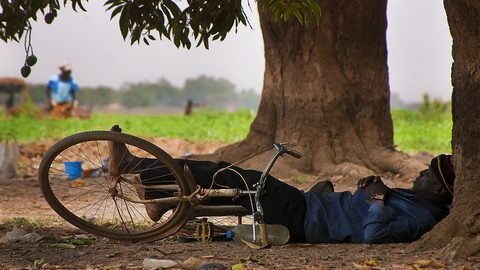 Burkina Faso Travel Guide Ouagadougou Banfora and the Sahel Region
Burkina Faso offers Ouagadougou's film festival, the Banfora escarpment, and Sahel trading towns, but security constraints now define any journey here.
Burkina Faso Travel Guide Ouagadougou Banfora and the Sahel Region
Burkina Faso offers Ouagadougou's film festival, the Banfora escarpment, and Sahel trading towns, but security constraints now define any journey here.
-
 Getting to Nauru, the Pacific State Where Air Schedules Define Your Stay
A logistics briefing on reaching Nauru by air — covering weekly flights from Brisbane and Honiara, visa-on-arrival requirements, and planning around fixed departure dates.
Getting to Nauru, the Pacific State Where Air Schedules Define Your Stay
A logistics briefing on reaching Nauru by air — covering weekly flights from Brisbane and Honiara, visa-on-arrival requirements, and planning around fixed departure dates.
-
 Nauru, the Pacific Republic That Phosphate Built and Nearly Erased
Nauru is one of the Pacific's most overlooked republics. A candid guide to topside, Buada Lagoon, colonial history, and how to actually get there.
Nauru, the Pacific Republic That Phosphate Built and Nearly Erased
Nauru is one of the Pacific's most overlooked republics. A candid guide to topside, Buada Lagoon, colonial history, and how to actually get there.
-
 Planning Independent Travel in the Wakhan Corridor, Tajikistan
Independent travel in Tajikistan's Wakhan Corridor: GBAO permits, road conditions from Ishkashim, realistic travel windows, and honest logistics for serious overlanders.
Planning Independent Travel in the Wakhan Corridor, Tajikistan
Independent travel in Tajikistan's Wakhan Corridor: GBAO permits, road conditions from Ishkashim, realistic travel windows, and honest logistics for serious overlanders.