Uganda's Other Side
Uganda beyond the gorillas means Lake Victoria's Ssese Islands, Jinja's river town pace, and markets that hum with a vitality no permit can capture.
- Flag
-

- ISO code
- UG
- Population
- 42,723,139
- Currency
- UGX
- Dial code
- +256
Lake Victoria Ferries, Island Days and Market Mornings
The conversation about Uganda starts and ends with gorilla permits. That dominates the brochures. What gets buried is the rest of the country: a Lake Victoria ferry that costs UGX 14,000, islands where the day slows to nothing, and markets that teach you more about Uganda in one morning than a week of wildlife drives. Uganda beyond the gorillas is for the traveller who already has primates in the diary or has decided to skip them entirely. You need the rest of the country, and it starts on the water.
- Visa Requirement: e-visa, USD 50 (2025 rate) via Uganda Electronic Visa/Permit Application System. Apply before departure.
- Main Airport: Entebbe International Airport (EBB). The country's only scheduled international gateway.
- Public Transport: Shared minibus taxis (matatus) and buses between towns. No scheduled transport to park gates or trailheads; you need a private hire or tour vehicle beyond paved highways.
- Currency & Cards: Ugandan shilling (UGX). Visa/Mastercard work at upscale hotels and supermarkets in Kampala. Outside the capital, cash and mobile money (MTN, Airtel) are your only options. ATMs (Stanbic, Standard Chartered, Equity) have frequent outages in smaller towns.
- Best Time To Go: December to February and June to September (dry seasons). Avoid March to May and October to November (heavy rain).
- Safety Note: The UK Foreign, Commonwealth & Development Office advises against all but essential travel to parts of western Uganda and the DRC border as of August 2026. Check the latest map before you book.
Jinja and Entebbe: Two Lake Towns, Two Speeds
Jinja and Entebbe sit on the northern shore of Lake Victoria, forty minutes apart by road. They could not be more different in rhythm. Decide which one fits your itinerary, or stay in both.
Entebbe: Decompression, Not Excitement
Entebbe is the quiet, practical base. It has the airport, the botanical gardens walkable from town, and the Uganda Reptile Village five minutes from the terminal. Arrive, drop your bags, and walk the lakeshore promenade in the late afternoon. Skip the nightclubs. Entebbe is for decompression. Book a guesthouse within walking distance of the water and use the morning to visit the wildlife education centre before your flight out or your ferry day trip.
Jinja: Energy And Nile Perch
Jinja is the opposite. It has energy. The source of the Nile draws a young traveller crowd, but the real action is the market and the riverbanks away from the rafting companies. Walk to the old railway bridge at sunrise. Spend an hour at the local fish market before it gets hot. Jinja is a town for eating: grilled Nile perch with chips at a lakeside stall costs a fraction of a restaurant meal and tastes better. Budget a full day here, not a rushed stop between Kampala and the east.
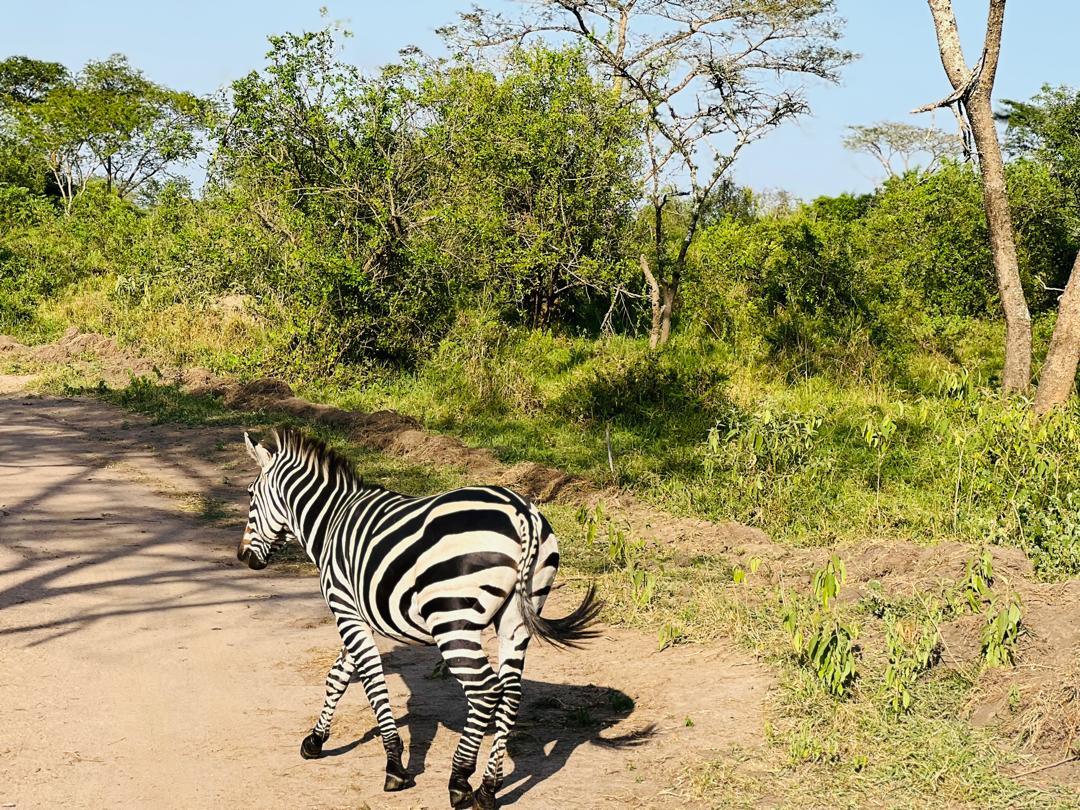

The Ssese Islands: 84 Islands and No Agenda
The Ssese Islands sit in Lake Victoria, an archipelago of 84 islands in Kalangala District, reachable only by ferry from Entebbe. That boat ride is the point.
The Ferry
The MV Kalangala departs from Nakiwogo in Entebbe once daily each direction. The crossing takes roughly 3.5 hours. Non-residents pay UGX 14,000 for economy or UGX 20,000 for VIP. VIP gives you a seat inside with a view; economy is on the deck with the wind. Take VIP if the forecast is dry, economy if you want to feel the lake.
Life On Buggala
The ferry arrives at the district's main town on Buggala Island, the only island with proper accommodation. Do not try to island-hop on a day trip. The schedule does not allow it. Plan for at least two nights. The islands have no nightlife, no reliable phone signal in spots, and no urgency. That is the point. Rent a bicycle from your lodge and ride the dirt road along the coast. Swim in the lake at the public beach near town. Eat fresh fish grilled over coals at sunset. The Ssese Islands are the reset button for any Uganda itinerary that has been too packed with permits and schedules. If you only have six days total in Uganda, skip the islands. They require a commitment of time that you do not have. If you continue west beyond Uganda’s lake towns, the border opens into Burundi, where the shores of Lake Tanganyika and the rhythms of the royal drummers offer a different but equally unhurried immersion.
Markets That Do the Work
Ugandan markets are not arranged for tourists. They are for shopping, for bargaining that matters, for buying food that gets cooked tonight. That is what makes them compelling.
Masaka Central Market
Masaka Central Market sits on the road between Kampala and the gorilla parks. Most travellers drive past it. Stop. This market specialises in matoke (green cooking bananas), fresh fish pulled from Lake Victoria that morning, and pineapples so sweet they sting your lips. Arrive by 08:00. By 10:00 the crowd is thick and the best produce is gone. Buy a bunch of matoke and a piece of fish and ask a stallholder to point you to the nearest roadside cook who will grill it for you. That lunch costs less than UGX 10,000 and will be the best meal of your trip.
Dantokpa Market, Kampala
In Kampala, skip the craft markets aimed at tourists. Go to the produce and household goods sections. Dantokpa Market is the largest in the country and a genuine navigation challenge: narrow alleys, identical stalls, pickpockets working the crowd. Do not bring a camera bag. Do bring small denominations of shillings and a clear idea of what you want. Fabric. Spices. Dried fish. Second-hand tools. Ask three stallholders for the price of anything before you buy. If you want a calm shopping experience, stay away from Kampala markets entirely and buy from a fixed-price shop in Jinja or Entebbe instead.
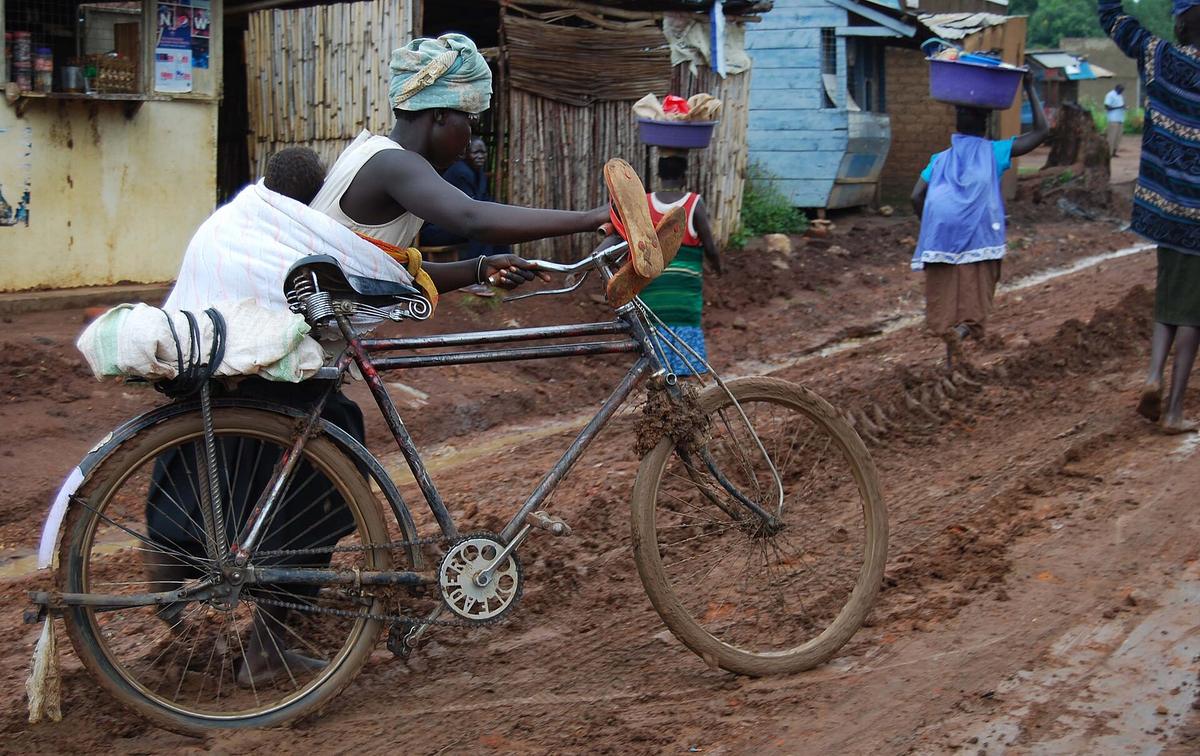

Getting Between the Water and the Stalls
The Ferry Schedule
The MV Kalangala ferry is the only scheduled crossing from the mainland to the Ssese Islands. It departs Nakiwogo (Entebbe) for the islands once daily. The return sails once daily. Buy your ticket at the dock, not online. Arrive at least one hour before departure to secure a spot, especially in high season when the ferry fills with locals carrying goods. If the ferry is cancelled due to weather, your only alternative is a private speedboat from Entebbe. That costs significantly more and needs advance booking through a lodge on the islands.
Road Connections
Moving between Jinja, Entebbe, and Kampala is straightforward by shared minibus taxi (matatu). From Entebbe to Masaka, take a bus from the main taxi park; the journey takes about three hours on a good day. For the Ssese Islands, you must return to Entebbe first. Do not attempt to reach the ferry from Jinja directly. The roads around the lake are indirect and slow. Plan a night in Entebbe before or after the island visit.
Timing Your Travel
Avoid the rainy seasons of March to May and October to November. The unpaved roads on Buggala Island become slippery and deeply rutted. Matatus run less frequently. Markets thin out because farmers cannot bring produce. The dry windows of December to February and June to September are the only reliable times to move between the lake towns, the islands, and the markets without weather cancelations.
Common Questions
Can I visit the Ssese Islands on a day trip from Entebbe?
No. The ferry takes 3.5 hours each way and runs once daily. You would arrive as the return ferry is preparing to leave, with no time to see anything. Book at least two nights.
Which market is best for a first-time visitor to Uganda?
Masaka Central Market. It is smaller and less chaotic than Dantokpa in Kampala, and the produce is the best in the region. Go in the morning before 09:00 for the freshest fish and fruit.
Is the MV Kalangala ferry reliable?
It runs daily but cancels in bad weather. In dry season (December to February, June to September) it rarely misses a sailing. In rainy months, expect delays or cancelations without warning.
Do I need a guide for the markets?
No for Masaka. Yes for Dantokpa in Kampala if you are not experienced with dense urban markets. A local guide can help with translation, prevent overcharging, and warn you about pickpocket zones.
Read next
-
 Getting to Nauru, the Pacific State Where Air Schedules Define Your Stay
A logistics briefing on reaching Nauru by air — covering weekly flights from Brisbane and Honiara, visa-on-arrival requirements, and planning around fixed departure dates.
Getting to Nauru, the Pacific State Where Air Schedules Define Your Stay
A logistics briefing on reaching Nauru by air — covering weekly flights from Brisbane and Honiara, visa-on-arrival requirements, and planning around fixed departure dates.
-
 Nauru, the Pacific Republic That Phosphate Built and Nearly Erased
Nauru is one of the Pacific's most overlooked republics. A candid guide to topside, Buada Lagoon, colonial history, and how to actually get there.
Nauru, the Pacific Republic That Phosphate Built and Nearly Erased
Nauru is one of the Pacific's most overlooked republics. A candid guide to topside, Buada Lagoon, colonial history, and how to actually get there.
-
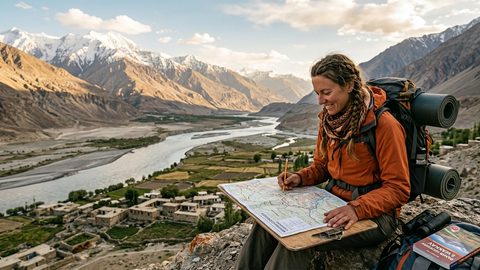 Planning Independent Travel in the Wakhan Corridor, Tajikistan
Independent travel in Tajikistan's Wakhan Corridor: GBAO permits, road conditions from Ishkashim, realistic travel windows, and honest logistics for serious overlanders.
Planning Independent Travel in the Wakhan Corridor, Tajikistan
Independent travel in Tajikistan's Wakhan Corridor: GBAO permits, road conditions from Ishkashim, realistic travel windows, and honest logistics for serious overlanders.