Guinea-Bissau Beyond Bissau
Guinea-Bissau's Bijagos archipelago and scattered mainland towns like Cacheu and Bafatá form one of West Africa's most logistically demanding but richly layered journeys.
- Flag
-

- ISO code
- GW
- Population
- 1,874,309
- Currency
- XOF
- Dial code
- +245
Getting Around the Bijagos and Mainland Towns
You cannot piece this trip together as you go. Most travellers assume you can hop between the Bijagos archipelago and mainland towns like Cacheu or Bafatá on a whim. The opposite is true. This is one of West Africa's least visited countries because its logistics demand advance planning, patience, and cash. The Bijagos islands operate on their own seasonal rhythms. The mainland towns hold layers of Portuguese colonial decay that reward those who arrive prepared. Understanding how to move between them means knowing which boats exist, which roads work, and where the system breaks.
The Central Conflict: Island Time vs. Mainland Roads
The Bijagos archipelago is a UNESCO Biosphere Reserve of 88 islands. Roughly 20 are inhabited. It is the main reason you are here. The problem is access. No public transport runs to the islands. You depend on irregular private pirogues or chartered boats from Bissau or Cacheu. The access window is November to April. Many lodges close from May through October when the rainy season makes crossings dangerous and accommodation shuts down. Arrive in June and you cannot reach the archipelago at all without a private charter that costs more than most budgets allow.
On the mainland, the challenge is speed. Distances between Bissau, Cacheu, Bafatá, and Bolama are short on a map. The roads and transport system stretch those journeys into half-day or full-day commitments. Shared taxis called sept places and minibuses called toca toca run on main routes, but they have no schedule. They leave when full. Outside those routes, transport is irregular or nonexistent. Do not rely on a single daily departure.
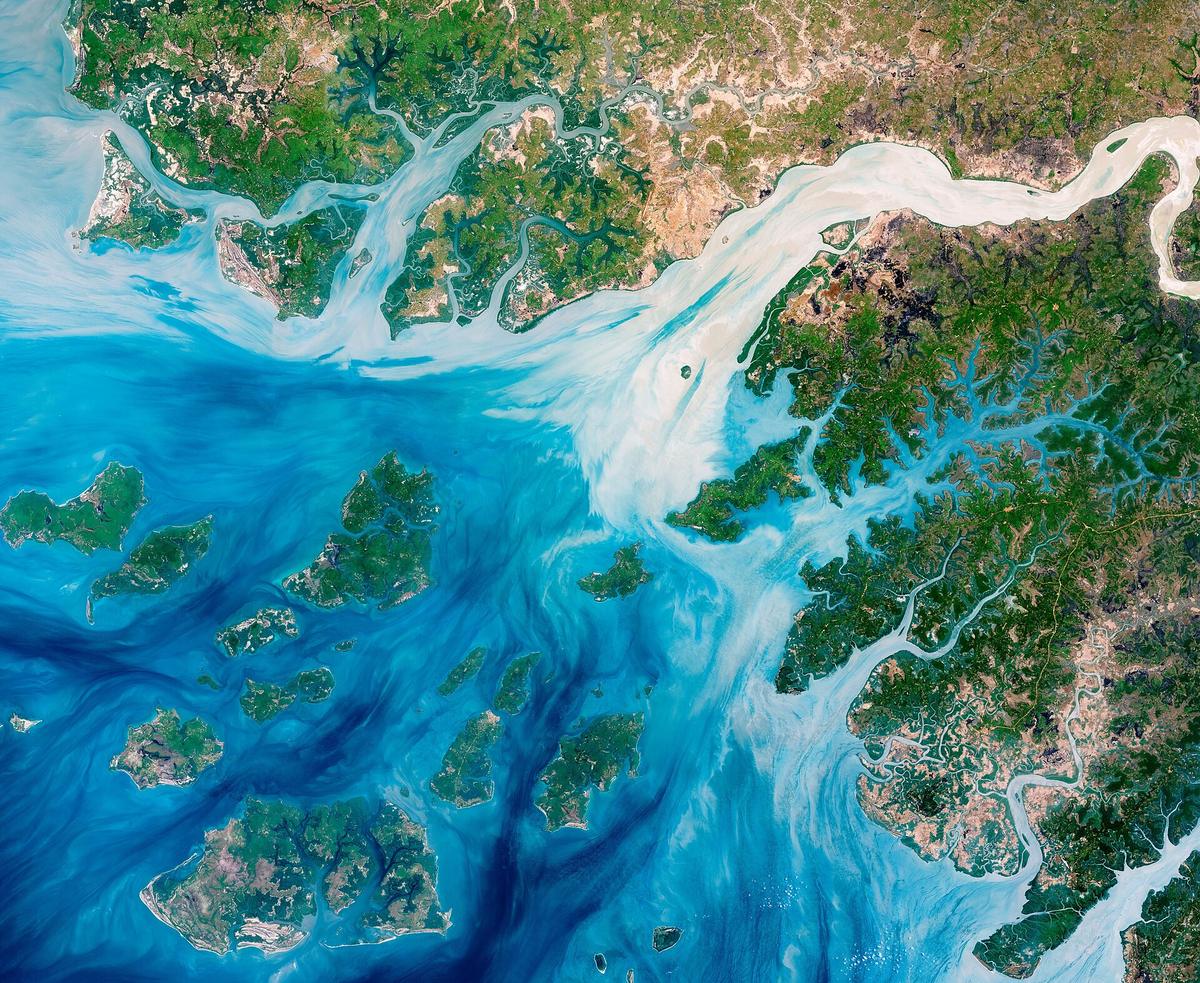

- Access to Bijagos: No public transport. Irregular private pirogues or chartered boat from Bissau or Cacheu. Access window: November to April. Many lodges close May to October.
- Dry Season: November to May. Roads remain passable, boat crossings operate.
- Rainy Season: June to October. Bijagos lodges mostly closed; land travel unreliable.
- Mainland Transport: Shared taxis (sept places) and minibuses (toca toca) on main routes. No scheduled services in rural areas.
- Safety Advisory: Consult UK FCDO, US Department of State, or Government of Canada travel advice. These are updated annually.
- Currency: West African CFA franc (XOF). Cash only outside Bissau. ATMs exist only in the capital.
How to Reach the Bijagos Archipelago Without a Tour
Your realistic options for reaching the islands are two. Neither is spontaneous.
Option 1: Charter a boat from Bissau. This is the most reliable method. It costs. Negotiate directly with boat owners at the Porto de Pindjiguiti in Bissau. You pay for the whole boat, not per seat. Prices vary wildly by season and fuel cost. Ask at least three operators before committing. The crossing to Bubaque, the main island with the most accommodation, takes roughly two to four hours depending on the vessel and sea state. Do not attempt this in the rainy season (June to October). Even in dry season, check the weather forecast for the day. The Atlantic swell here is real and it punishes small boats.
Option 2: Find a pirogue from Cacheu. Cacheu town, north of Bissau, is a secondary departure point. Pirogues from Cacheu reach the northern islands of the Bijagos. The service is even more irregular than from Bissau. You may wait days. If you are already visiting Cacheu for its colonial fort and mangrove forests, inquire locally. Do not plan your entire itinerary around this route.
What about day trips? Forget them unless you charter a speedboat from Bissau at high cost. A return day trip to Bubaque or Orango is theoretically possible but impractical. The crossing time alone eats four to eight hours round trip. You get barely an hour on the island. Book an overnight stay instead.
Getting to Orango Islands National Park
Orango, within the archipelago, is the place for saltwater hippos and sacred Bijagó sites. It is harder to reach. Most visitors arrive via lodges that arrange their own boat transfers. If you are independent, charter to the island of Orango Grande and then negotiate local transport. Ask permission before photographing any sacred site. The Bijagó people maintain strong animist traditions, and cameras are not welcome everywhere.
Moving Between Mainland Towns: Cacheu, Bafatá, and Bolama
The mainland towns are not connected by a tidy loop. You travel point to point. Each leg has its own friction.
Bissau to Cacheu
Cacheu lies about 75 kilometres northwest of Bissau. A shared taxi or minibus from Bissau's main transport hub takes roughly two hours on a road that is paved but potholed. Pay in CFA francs and bring small denominations. Nobody has change. The town itself is a scattering of colonial ruins: a 16th century fort, a crumbling governor's mansion, and mangrove-lined waterways. There is no bank and no ATM. Bring enough cash from Bissau for your entire stay plus the return fare.
Bissau to Bafatá
Bafatá is inland, east of the capital. It is the birthplace of independence leader Amílcar Cabral. The journey takes two to three hours by sept place along the main east west road. The road quality is better than the Cacheu route, but shared taxis still wait until full before departing. Bafatá's colonial-era buildings are photogenic and decaying. The town has a market and basic guesthouses. Arrive before 14:00. Departures back to Bissau dry up in the late afternoon, and you do not want to be stranded here after dark.
Bolama, the Abandoned Capital
Bolama was the country's capital until 1941. Today it is a ghost of Portuguese ambition: an abandoned colonial governor's palace, a ruined fort, wide empty streets. It sits on an island south of Bissau, reachable by pirogue from Bissau or from the mainland near São João. The crossing is short, around 30 minutes. Boats are irregular. Bolama has very limited accommodation. Most visitors go as a day trip. If you stay overnight, bring food, water, and a flashlight. There is no ATM and no certainty of a restaurant being open. For a longer West African journey, Bolama’s faded grandeur offers a sharp contrast to the lively river markets and mud mosques of inland Gambia.
| Destination | Transport from Bissau | Travel Time | Cash Needed | Accommodation |
|---|---|---|---|---|
| Cacheu | Shared taxi (sept place) or minibus | 2 hours | Full stay + return, no ATM | Basic guesthouses |
| Bafatá | Shared taxi (sept place) | 2-3 hours | Full stay + return, no ATM | Basic guesthouses |
| Bolama | Pirogue from Bissau or São João | 30 minutes crossing | Full day trip, no ATM | Limited, bring supplies |
| Bissorã | Shared taxi (sept place) | 1.5 hours | Full stay + return, no ATM | Market town, basic options |

The Practical Burdens: Permissions, Cash, and What to Skip
Three realities govern every movement in Guinea-Bissau. Ignore any of them and you will strand yourself.
Permissions. On the Bijagos islands, many communities require you to ask permission before visiting sacred sites or photographing ceremonies. On Orango, this is non-negotiable. On the mainland, police roadblocks are common on the main routes. Keep a photocopy of your passport and visa page ready. Officers may ask for a bribe. Politely decline. Show your documents and wait. Most will wave you through after a few minutes.
Cash. Outside Bissau, card acceptance is zero. ATMs are limited to the capital and even there they may reject foreign Visa cards. Carry enough CFA francs for your entire plan, including boat charters and emergency accommodation. Euros and dollars can be exchanged at banks in Bissau but not in towns like Cacheu or Bafatá. Budget for the fact that a charter to the Bijagos may cost heavily depending on negotiation and fuel, and bring more cash than the number you have in your head right now.
What to skip. Fewer than seven days? Skip the mainland towns and focus on the Bijagos. Ten days or more? Add Cacheu or Bafatá. Do not try to do both. The roads and boat schedules punish rushing. Skip Bissorã unless you are passing through to the Cacheu region. It is a market town with little to hold you.
The One Thing to Buy Before You Go
A power bank. Power cuts are common outside Bissau. You need to charge your phone for maps, for flashlight use, and for contacting boat operators if you have a local SIM. Buy an MTN or Moov Africa card in Bissau. Network coverage is decent in the capital but patchy on the islands and in rural mainland areas. Download offline maps before you leave Bissau.
Common Questions
Can I visit the Bijagos archipelago without staying at a lodge?
Yes, but it is difficult. You must charter a private boat from Bissau or Cacheu, and you must have your own tent, food, and water. There are no public ferries, no tourist information offices on the islands, and no shops selling supplies. Most independent travellers stay at one of the handful of lodges on Bubaque or Orango.
How far in advance should I book a boat to the islands?
At least one week in advance during peak season (December to March). In April, two weeks is safer because fewer boats run. Contact lodges directly or find boat owners at the Porto de Pindjiguiti in Bissau. Do not expect to show up and depart the same day.
Is it safe to travel between mainland towns by shared taxi?
Yes, but expect police roadblocks on the main routes. Carry your passport photocopy and visa. Keep valuables out of sight. Shared taxis leave when full, which can mean waiting an hour or more at the station. Avoid travelling after dark; road lighting is nonexistent outside Bissau.
Can I see saltwater hippos in Orango on a day trip?
Not realistically. Orango Islands National Park requires a dedicated overnight trip. The boat crossing from Bissau takes two to four hours each way, and on Orango you need a local guide to reach the hippo pools. Plan at least two nights on the island.
What happens if I arrive during the rainy season (June to October)?
You will not be able to reach the Bijagos archipelago. Most lodges close, and boat charters are unsafe. On the mainland, unpaved roads turn to mud, especially around Bafatá and Cacheu. Stick to Bissau or fly in and out without exploring. This is not the time for an overland trip.
Read next
-
 Getting to Nauru, the Pacific State Where Air Schedules Define Your Stay
A logistics briefing on reaching Nauru by air — covering weekly flights from Brisbane and Honiara, visa-on-arrival requirements, and planning around fixed departure dates.
Getting to Nauru, the Pacific State Where Air Schedules Define Your Stay
A logistics briefing on reaching Nauru by air — covering weekly flights from Brisbane and Honiara, visa-on-arrival requirements, and planning around fixed departure dates.
-
 Nauru, the Pacific Republic That Phosphate Built and Nearly Erased
Nauru is one of the Pacific's most overlooked republics. A candid guide to topside, Buada Lagoon, colonial history, and how to actually get there.
Nauru, the Pacific Republic That Phosphate Built and Nearly Erased
Nauru is one of the Pacific's most overlooked republics. A candid guide to topside, Buada Lagoon, colonial history, and how to actually get there.
-
 Planning Independent Travel in the Wakhan Corridor, Tajikistan
Independent travel in Tajikistan's Wakhan Corridor: GBAO permits, road conditions from Ishkashim, realistic travel windows, and honest logistics for serious overlanders.
Planning Independent Travel in the Wakhan Corridor, Tajikistan
Independent travel in Tajikistan's Wakhan Corridor: GBAO permits, road conditions from Ishkashim, realistic travel windows, and honest logistics for serious overlanders.