Sao Luis, Fortaleza, Belo Horizonte: Brazil’s Overlooked Urban Capitals
Sao Luis, Fortaleza, and Belo Horizonte deliver Brazil’s most underrated urban travel: tiled colonial streets, forró nights, and the country’s best bar food, far from the Rio-Salvador circuit.
- Flag
-

- ISO code
- BR
- Population
- 209,469,333
- Currency
- BRL
- Dial code
- +55
You Have Done Rio. You Have Done Salvador. Now What?
You have stood under Sugarloaf Mountain and danced in the Pelourinho. Now you are staring at another flight board showing the same beaches and the same capoeira shows. The deeper Brazil lies north and inland, where the soundtrack is a rawer reggae beat and the skyline is a Niemeyer curve. Fly to Sao Luis, Fortaleza, and Belo Horizonte. These cities hold Brazil's most underrated urban experiences: Sao Luis for its UNESCO-listed azulejo-tiled centre and its surprising reggae culture, Fortaleza for its forró nights and fish-market mornings, Belo Horizonte for its boteco bar food and modernist architecture. They are for travellers who have already done the obvious and want a local Brazil, not a tourist Brazil.
Each city demands a different kind of attention. You do not visit them to tick a box. You visit them to eat, to listen, to walk streets that do not expect you.

- Best For: Travellers returning to Brazil for a second or third trip, architecture and tile enthusiasts, forró dancers, food travellers who want boteco culture, and anyone tired of Rio's prices and Salvador's crowds.
- Not For: First-time Brazil visitors, beach-resort seekers, travellers who need polished tourist infrastructure, and anyone with fewer than seven days to split across the three cities.
- Minimum Days: 7 days. You need three full days for Sao Luis (arrive one afternoon, two full days, leave the third morning), two full days for Fortaleza, and two full days for Belo Horizonte. Distances are short by flight but the culture is dense.
- Peak Season: June to August (Fortaleza's dry winter) and December to February (Belo Horizonte's summer, Sao Luis's reggae festival season). Book accommodation three months ahead for the June forró festivals in Fortaleza.
- Avoid Window: March to May. Heavy rain in Sao Luis and Belo Horizonte turns walking tours miserable, and the humidity in Fortaleza spikes. Also skip the week around New Year in Fortaleza unless you booked a year in advance.
Sao Luis: Azulejos, Reggae and a UNESCO Centre That Nobody Walks
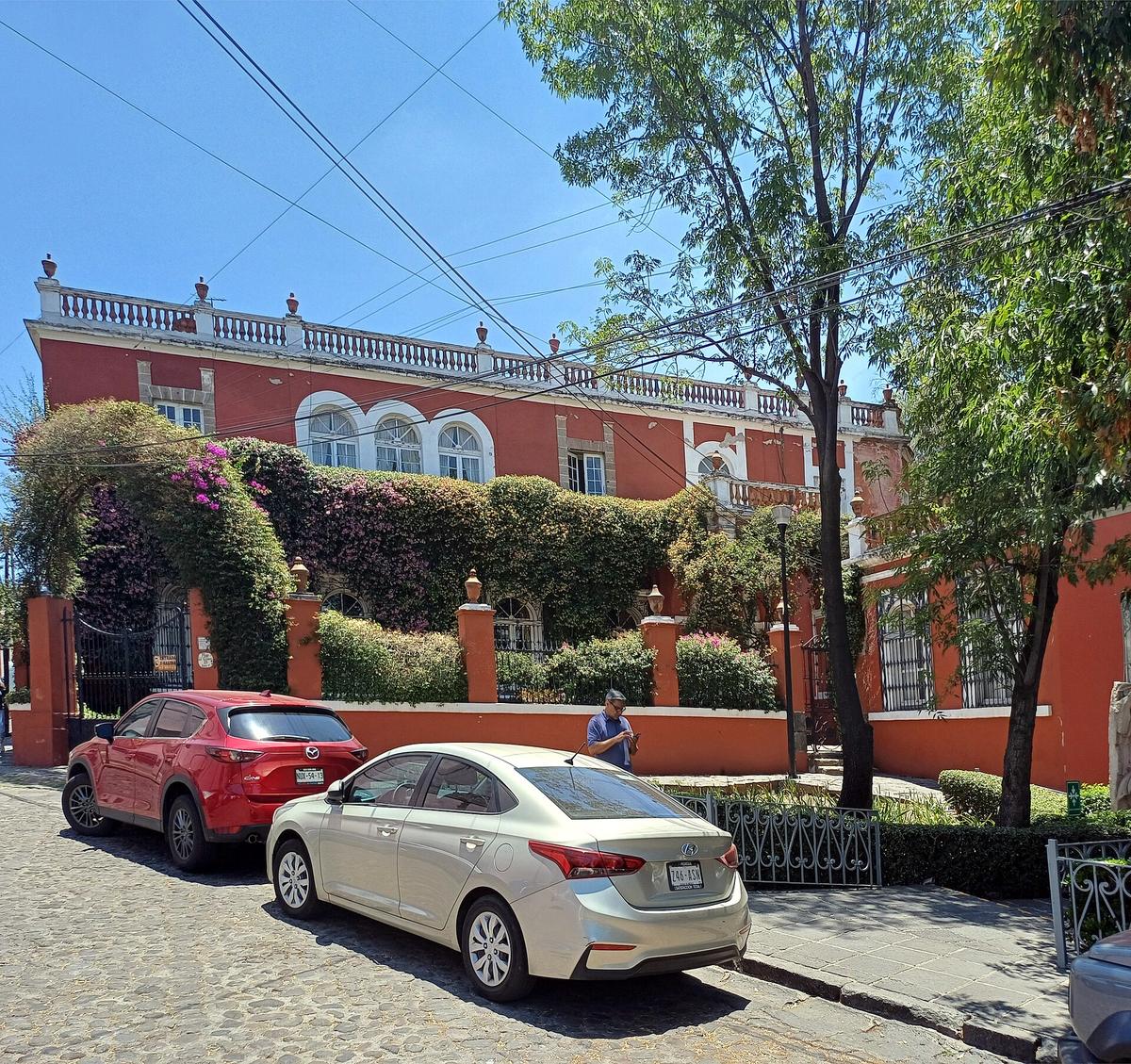
Land at Sao Luis's Marechal Cunha Machado International Airport and take a prepaid taxi into the historical centre. The ride takes 30 minutes. Do not book a hotel on the modern beaches of Sao Luis do Maranhao. Stay inside the old town. The Reviver district has converted colonial sobrados with plunge pools and rooftop bars that look over the azulejo-tiled facades. The tiles are not a tourist affectation. They cover 3,000 buildings in the UNESCO zone, blue and white Portuguese patterns that survived humidity and neglect because nobody had money to replace them.
Start at the Palacio dos Leoes, the governor's palace, and walk downhill toward the Rua Portugal. The tiles here are 18th century, hand-painted, and many are cracked. Do not touch them. The salt air and rain already do enough damage. At 10:00 the Museu do Reggae Maranhense opens on Rua da Estrela. This is not a museum for show. It documents how reggae arrived in Sao Luis via radio signals from the Caribbean in the 1970s and became the city's defining sound. You hear it from car stereos, from open windows, from the sound system at the Bar do Leo on Saturday nights.
Where To Eat And Drink In The Old Town
Skip the tourist restaurants on the central square. Walk to Rua de Nazare and find a boteco with plastic chairs outside. Order arroz de cuxa, a rice dish with dried shrimp and tucupi juice, and a cold beer. The dish costs about R$ 30. For the real thing, eat at Restaurante Senac on the edge of the old town, where they serve a lunch buffet of Maranhao classics for a fixed price. Arrive by 11:30 to avoid the queue.
Fortaleza: Forró Nights and Fish Markets at Dawn
Fly from Sao Luis to Fortaleza. It is a one-hour flight. Do not land and head straight for the beach. The beach at Fortaleza, Praia do Futuro, is fine but it is not the point. The point is the city itself, a northeastern capital that moves at a different speed. Start early. Set your alarm for 05:00 and go to the Mercado dos Peixes on the Avenida Beira Mar. Fishermen arrive at 04:30 with their catch. By 06:00 the best fish is gone. Buy a grilled tilapia with pimentade sauce from a shack behind the market and eat it standing up. The sauce burns.
By 08:00 walk the length of the Beira Mar boardwalk. It runs 6 kilometres along the coast and fills with joggers, cyclists, and vendors selling tapioca crepes. Do not stop at the tourist stalls. Keep going to the Iracema district, where the old buildings are being converted into artist studios and independent bookshops. The Museu da Imagem e do Som do Ceara sits at the far end. It opens at 09:00 and is free on Tuesdays. It holds the archive of Luiz Assuncao, the poet who wrote the city's anthem. The reading room has original manuscripts. Request them at the front desk.
Forró Is Not Optional
Fortaleza is the capital of forró, a dance rhythm from the sertao that is faster and more syncopated than the version tourists see in Rio. On a Thursday, Friday, or Saturday night, go to the Pirata bar in the Varjota district. Arrive after 22:00. The dance floor is concrete and the air is sweat and beer. You do not need to know the steps. Watch for 20 minutes, then let a local pull you in. It is awkward. That is the point. The musicians play until 04:00. Taxis wait outside. Negotiate the fare before you get in. A ride back to a hotel in the Meireles district should cost R$ 25.
Belo Horizonte: Botecos, Niemeyer and the Art of Eating Standing Up
Fly from Fortaleza to Belo Horizonte's Confins Airport. The airport is 40 minutes north of the city. Take the executive bus, not a taxi. It costs R$ 25 and drops you at the Savassi neighbourhood, which is where you should stay. Savassi is the boteco heart of the city, a grid of streets lined with bars that serve food from small kitchens. Belo Horizonte does not have a famous landmark like Rio's Christ or Salvador's Pelourinho. It has an attitude: the best place to eat is the place with the longest queue at 13:00 on a Wednesday.
Start at the Mercado Central, a block-sized market that is not a tourist attraction. Butchers sell picanha. Vendors sell cachaca by the glass. The queue at the back of the market is for Pastel de Angu, a cornmeal pastry filled with ground beef and cheese. It costs R$ 8. Order two. Eat them at the counter. Walk eight blocks to the Praca da Savassi and find the Boteco da Savassi. Order a chopp, a draft beer, and a dish of frango com quiabo, chicken with okra. The okra is slimy. The locals love it. You will learn to love it.
Oscar Niemeyer's City, Not Brasilia
Belo Horizonte has a Niemeyer building that people do not photograph: the Igreja Sao Francisco de Assis, in the Pampulha district. It is a concrete parabola, covered in blue and white tiles by Portinari. The inside is darker than you expect. The confessionals are curved. You can see the entire structure from the lakefront at the back of the complex. Visit at 15:00 when the light hits the tiles. Admission is free. The Pampulha complex also includes the Museu de Arte da Pampulha, a former casino turned gallery. It is small. You can cover it in 45 minutes. Skip the museum shop.
For the best view of the city, go to the Mirante do Mangabeiras, a lookout at the end of a residential street. It is not signposted. Google Maps shows it. The view is of the Serra do Curral mountains and the dense, flat skyline of Belo Horizonte below. Arrive at 17:30 to watch the city lights turn on. A small bar at the top sells beer and fried cheese. Bring cash. The vendor does not take cards.
.jpg)
The One Thing That Trips Travellers Up
These three cities are not connected by a single logical overland route. You fly between them. The flights are domestic, cheap, and frequent. Latam, Gol, and Azul all operate the routes. Book the Sao Luis to Fortaleza leg at least two weeks in advance. The afternoon flight is often cancelled. Take the morning one. The Fortaleza to Belo Horizonte flight is more reliable, but the airport in Fortaleza is 30 minutes from the city centre in light traffic. Allow 60 minutes in traffic. Add a full day of travel between each city. Do not try to do all three in five days. You will spend your time in airport terminals, not in botecos or reggae bars.
Do not expect English to get you far. In Sao Luis, the old town restaurants rarely have English menus. In Fortaleza, the forró bars have no signage in any language. In Belo Horizonte, the market vendors will smile and repeat prices until you understand. Learn 20 words of Portuguese before you arrive. "Quanto custa?" (how much?), "mais um chopp" (another beer), and "obrigado" (thanks). You will use them more than you expect.
Common Questions
Which of these three cities should I skip if I only have time for two?
Skip Fortaleza if you care about architecture; skip Sao Luis if you care about nightlife; skip Belo Horizonte if you care about beaches. If you care about food, do not skip any of them.
Is the reggae in Sao Luis the same as Jamaican reggae?
It is slower, more percussive, and uses accordions. Maranhao reggae is its own genre, built from Caribbean radio signals that reached the coast in the 1970s. The locals call it reggae de raiz, root reggae.
Can I do a day trip from Belo Horizonte to Ouro Preto?
Yes. The bus from the Rodoviaria de Belo Horizonte takes two hours. Book the first bus at 07:00. Return by 17:00. You will see the colonial churches and the Museu da Inconfidencia, but you will miss the evening light on the red roofs.
What is the dress code for a forró bar in Fortaleza?
None. Wear shorts, sandals, and a shirt you can sweat through. Women wear light dresses. Do not wear expensive shoes. The concrete floor is sticky. The beer is cheap. The dance is aggressive.
Read next
-
 Getting to Nauru, the Pacific State Where Air Schedules Define Your Stay
A logistics briefing on reaching Nauru by air — covering weekly flights from Brisbane and Honiara, visa-on-arrival requirements, and planning around fixed departure dates.
Getting to Nauru, the Pacific State Where Air Schedules Define Your Stay
A logistics briefing on reaching Nauru by air — covering weekly flights from Brisbane and Honiara, visa-on-arrival requirements, and planning around fixed departure dates.
-
 Nauru, the Pacific Republic That Phosphate Built and Nearly Erased
Nauru is one of the Pacific's most overlooked republics. A candid guide to topside, Buada Lagoon, colonial history, and how to actually get there.
Nauru, the Pacific Republic That Phosphate Built and Nearly Erased
Nauru is one of the Pacific's most overlooked republics. A candid guide to topside, Buada Lagoon, colonial history, and how to actually get there.
-
 Planning Independent Travel in the Wakhan Corridor, Tajikistan
Independent travel in Tajikistan's Wakhan Corridor: GBAO permits, road conditions from Ishkashim, realistic travel windows, and honest logistics for serious overlanders.
Planning Independent Travel in the Wakhan Corridor, Tajikistan
Independent travel in Tajikistan's Wakhan Corridor: GBAO permits, road conditions from Ishkashim, realistic travel windows, and honest logistics for serious overlanders.