The Asia That Guidebooks Compress Into a Single Sentence
Asia beyond the famous stops: a guide to the provincial towns and rural landscapes that guidebooks compress into a single logistical line.
Asia’s Overlooked Half: the Towns Between the Famous Stops
The fifty or so towns listed below are reachable by public transport from any Asian capital in under eight hours, yet they absorb fewer than five percent of the region's international visitors. That gap is the opportunity. Guidebooks compress the journey between Bangkok and Chiang Mai into a sentence about bus schedules. They reduce the connection between Hanoi and Luang Prabang to a border crossing note. The real content of Asian travel lives in the hours those sentences skip: the markets where the train stops for ten minutes, the dusty bus station towns where you eat grilled fish in the dark, the landscapes that roll past the window of a local train moving at forty kilometres an hour. These places have names, and knowing how to use them changes the trip.
- Asia definition used: East, Southeast, South, Central, West Asia (UN geoscheme regions)
- Places covered: 50+ towns across Japan, South Korea, Taiwan, China, Vietnam, Laos, Cambodia, Thailand, Myanmar, Malaysia, Indonesia, Philippines, India, Nepal, Bangladesh, Sri Lanka, Pakistan, Bhutan, Kazakhstan, Kyrgyzstan, Tajikistan, Uzbekistan, Turkey, Georgia, Armenia, Azerbaijan, Iran, Jordan, Israel, UAE, Oman
- Minimum days for one route: 7 days is the floor for any north-south axis (e.g., Cotonou to Pendjari, or Bangkok to Chiang Rai via intermediate stops). Cross-country loops need 14, 21 days.
- Rail backbone countries: Japan (27,000 km JR network), China (45,000 km high-speed), South Korea (4,200 km), Taiwan (1,100 km), India (68,000 km), Kazakhstan (15,000 km), Uzbekistan (4,700 km)
- Rail irrelevant countries: Laos (414 km corridor only), Cambodia (650 km, no practical passenger network), Myanmar (degraded), Philippines (no inter-city rail), Indonesia (Java only), Nepal, Bhutan, Bangladesh, Pakistan, Afghanistan, Tajikistan, Kyrgyzstan, Oman, UAE, Qatar, Bahrain, Kuwait, Syria, Iraq, Lebanon, Jordan, Saudi Arabia for town-to-town travel
- Monsoon calendar (South/Southeast/East Asia): South Asia: June, September southwest monsoon, October, December northeast monsoon. Southeast Asia: May, October southwest monsoon, November, March northeast. East Asia: June, July meiyu plum rain, August, October typhoon season
- Continental winter calendar: Central Asia: November, March, -20°C to -40°C. West Asia interior: December, February, -10°C to -30°C. Western China: November, March, -15°C to -30°C. Mongolia: October, April, Ulaanbaatar January average low -25°C
Why Overland Routes Beat Capital Hopping
The standard Asian trip is a sprint between capitals: Tokyo to Seoul to Beijing, or Bangkok to Hanoi to Siem Reap. Airports and high-speed trains compress geography into a sequence of hotel lobbies. You see the curated version of each country, the one with English menus and airport taxis and manicured historical districts.
That version is not false. It is just thin.
The Lost Content
The deep content of any Asian country sits in its secondary cities and towns. In East Asia, that means Takayama in the Japanese Alps rather than Tokyo, Gyeongju rather than Seoul, Tainan rather than Taipei. In Southeast Asia, it means the river town of Battambang rather than Phnom Penh, the limestone hills of Kampot rather than Sihanoukville, the temple city of Yogyakarta rather than Jakarta. In South Asia, it means the moon landscape of Leh rather than Delhi, the red sandstone fort of Jaisalmer, the boulder ruins of Hampi. In Central Asia, it means the Soviet-era bathhouses of Karakol rather than Bishkek, the fortress town of Khiva rather than Tashkent. In West Asia, it means the Kurdish highlands of Van rather than Istanbul, the cave houses of Kandovan, the frankincense ports of Salalah.
None of these places lacks for accommodation, food, or transport. All of them have guesthouses, local bus routes, and restaurants serving food their capital cousins would call regional cuisine. What they lack is the filter of international tourism. That is exactly the point.
How to Plan an Overland Loop
Do not attempt to visit all fifty towns. That would take months. Pick one region, one overland corridor, and use the towns as waypoints between your arrival and departure cities. The table below gives you the visa-free durations you need to plan a loop, not a dash.

.jpg)
The Actual Journey Between Famous Stops
The Bangkok to Chiang Rai corridor shows the principle in action. The direct flight takes an hour and fifteen minutes. The overland route by bus, with stops in Phitsanulok, Sukhothai, Lampang, and finally Chiang Rai, takes three days. Those three days include the Sukhothai historical park at dawn with no other tourists, a night in a wooden guesthouse in Lampang where the owner cooks dinner for guests, and a shared songthaew ride that stops for a funeral procession of monks. The flight gets you there. The bus changes how you understand the country.
The same logic applies on the Japan rail corridor from Osaka to Kanazawa. Skip the shinkansen that makes the trip in two and a half hours. Take the local limited express via Kyoto and Fukui, stop overnight in Kanazawa's geisha district, then continue to Takayama on the Hida line. The journey takes twice as long and costs half as much. The view from the train window shifts from coastal rice paddies to mountain cedar forests. The station food stalls at Fukui sell crab sushi you cannot find in Osaka. That is the overland Asia the guidebooks compress into a single sentence.
What You Gain and What You Lose
You lose efficiency. You gain context. The towns between famous stops are where the monsoon cycles matter, where seasonal festivals determine travel windows, where road quality dictates your schedule. The January 10 Fête du Vodoun in Ouidah clusters other ceremonies across the same week; if you are in Benin in January, plan around them. The meiyu plum rains in June make cycling unpleasant in Japan's Gifu prefecture; September brings typhoons to Taiwan's east coast. The continental winter in Central Asia closes the Khunjerab Pass between China and Pakistan from November to May. These are not inconveniences. They are the skeleton of a real trip.
| Region | Countries with longest visa-free stay | Countries requiring e-visa or visa in advance |
|---|---|---|
| East Asia | Japan 90 days, South Korea 90 days, Taiwan 90 days | China 15 days |
| Southeast Asia | Malaysia 90 days, Thailand 30 days, Vietnam 45 days | Cambodia 30 days, Laos 30 days |
| South Asia | Nepal 90 days | India e-visa only, Pakistan e-visa only, Sri Lanka ETA, Bhutan visa in advance, Bangladesh visa required |
| Central Asia | Kyrgyzstan 60 days, Kazakhstan 30 days, Uzbekistan 30 days | Tajikistan e-visa, Turkmenistan visa with letter of invitation |
| West Asia | Georgia 365 days, Turkey 90 days, Qatar 90 days, Armenia 180 days | Iran visa on arrival 30 days, Azerbaijan e-visa, Saudi Arabia e-visa, Bahrain e-visa, Kuwait e-visa |
When to Go and What to Accept
The universal mistake is trying to cover too much ground. Benin's roads are slow: the north-south journey from Cotonou to Pendjari National Park eats two full days return. The same constraint applies across Asia's back roads. Japan's JR network is the exception, not the rule. In most of South and Southeast Asia, a bus ride of a hundred kilometres takes four hours. Plan for it. Accept it. Build your itinerary around the one-week minimum per region, not the five-country sprint.
The peak season for overland travel in most of Asia runs November through February, when the monsoon clears and temperatures drop. The secondary window is March and April in the Himalayas, when rhododendrons bloom and the skies stay clear. Avoid July and August in northern India and Nepal unless you want mud. Avoid December through February in Central Asia unless you have gear rated to minus thirty.

,_China_Town,_Pagoda_Street_--_2019_--_4505.jpg)
Who Overland Asia Secondary Cities Suits and Who Should Skip Them
Overland Asia secondary cities suit: travellers who have done the capital circuit and found it hollow. Photographers who want empty temples and villages where rituals are not staged. Anthropology and religion researchers chasing living Vodun ceremonies, or animist festivals in the Somba country of northern Benin. History buffs who want to walk the Route des Esclaves in Ouidah or the Royal Palaces of Abomey without a coach party. Solo travellers who speak no French but carry a phrasebook and a smile. Return visitors to Asia who need a less-trodden path.
Skip overland Asia secondary cities if: you are a first-time Asia visitor who needs easy logistics and English menus. You travel for beach resorts and nightlife. You have children under ten who need predictable meal times. You need reliable wi-fi and hot water on demand. You want to see ten countries in two weeks. That version of Asia exists. It is in the other places.
Overland Asia secondary cities are for the travellers who understand that the journey between the famous places is where the continent actually lives.
Countries in Asia
-
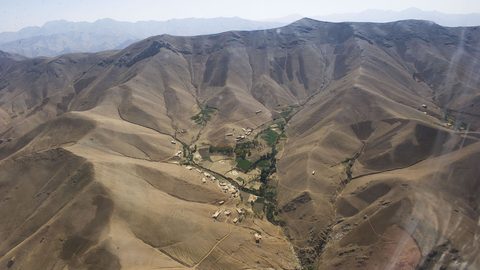
 Afghanistan
Northern Afghanistan’s towns—Mazar-i-Sharif, Balkh, Samangan, Kunduz—hold mosques, stupas, and bazaars that remain a record of the country’s deep history, not a holiday destination.
Afghanistan
Northern Afghanistan’s towns—Mazar-i-Sharif, Balkh, Samangan, Kunduz—hold mosques, stupas, and bazaars that remain a record of the country’s deep history, not a holiday destination.
-
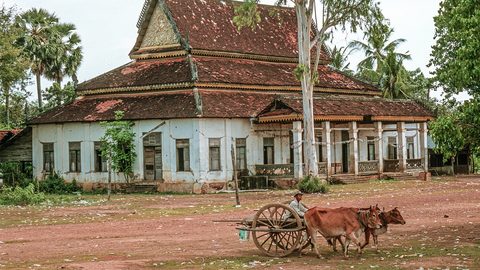
 Cambodia
 beyond Angkor: the border towns that trade in gems, the volcanic northeast, and the coastal stretch from Kep to the Cardamoms that most travellers never see.
Cambodia
Cambodia beyond Angkor: the border towns that trade in gems, the volcanic northeast, and the coastal stretch from Kep to the Cardamoms that most travellers never see.
-
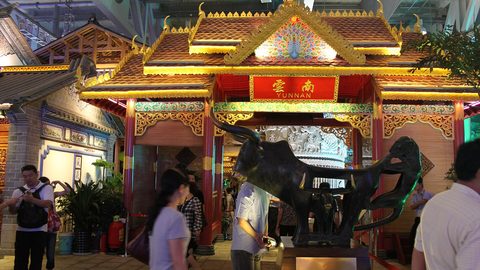
 China
China’s provincial cities like Lanzhou, Guiyang, and Nanning offer regional food, overnight trains, and almost no English—a raw travel experience far from the usual tourist circuit.
China
China’s provincial cities like Lanzhou, Guiyang, and Nanning offer regional food, overnight trains, and almost no English—a raw travel experience far from the usual tourist circuit.
-
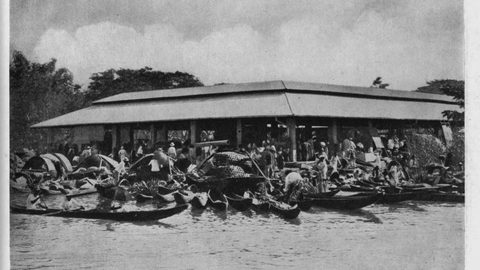
 Indonesia
A Sumatra-focused route that skips Java and Bali for Palembang's river markets, Kerinci's volcanoes, and the quiet southern coast of Indonesia.
Indonesia
A Sumatra-focused route that skips Java and Bali for Palembang's river markets, Kerinci's volcanoes, and the quiet southern coast of Indonesia.
-
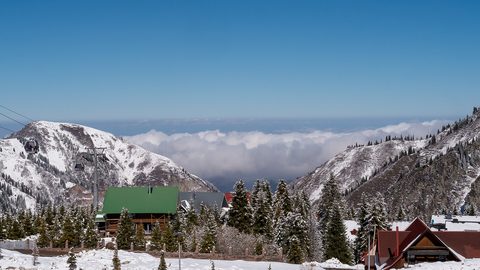
 Kazakhstan
Almaty is the launchpad for Kazakhstan’s extremes, placing you between high-altitude lakes in the Tian Shan and the infinite Kazakh steppe.
Kazakhstan
Almaty is the launchpad for Kazakhstan’s extremes, placing you between high-altitude lakes in the Tian Shan and the infinite Kazakh steppe.
-
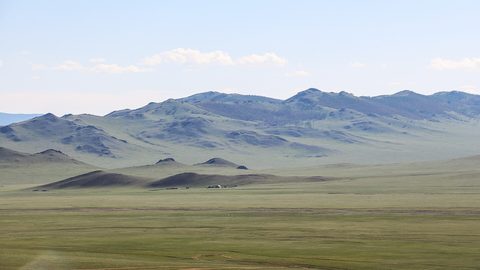
 Mongolia
Trade the Gobi's camel treks for the deep north: Mörön, Lake Khövsgöl, and the Tsaatan reindeer herders of the Darkhad Depression.
Mongolia
Trade the Gobi's camel treks for the deep north: Mörön, Lake Khövsgöl, and the Tsaatan reindeer herders of the Darkhad Depression.
-
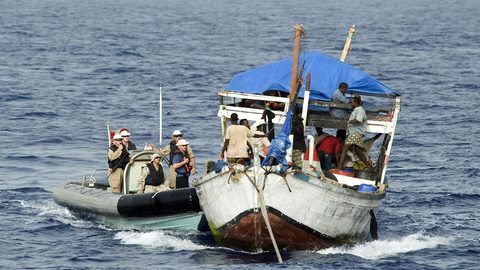 Oman
Oman by road links the Jebel Akhdar mountains, Musandam's fjord-hugging roads, and the Empty Quarter's distant edge in one long, self-propelled arc.
Oman
Oman by road links the Jebel Akhdar mountains, Musandam's fjord-hugging roads, and the Empty Quarter's distant edge in one long, self-propelled arc.
-

 Syria
A sober reflection on Syria as a destination now: the cultural heritage that survived, the places lost, and the complex meaning of travel there today.
Syria
A sober reflection on Syria as a destination now: the cultural heritage that survived, the places lost, and the complex meaning of travel there today.
Common Questions
Can I travel overland from Bangkok to Chiang Mai through towns in fewer than five days?
Yes. The bus route via Phitsanulok, Sukhothai, and Lampang takes three days if you move each morning and stop each afternoon. Skip Sukhothai if you only have two days and go straight to Lampang for the night market.
Which Asian country has the best rail network for town hopping?
Japan. The JR network covers 27,000 km and reaches every secondary city listed here. India has 68,000 km but trains run late and compartments lack wi-fi. China's high-speed network is excellent but requires booking tickets in advance through a Chinese app or agent.
How do I cross from Vietnam into Laos without a flight?
Use the Nam Phao or Cau Treo border crossings. The bus from Vinh to Lak Xao then to Tha Khek takes a full day. Bring two passport photos and ten US dollars for the Lao visa on arrival.
What is the one thing I must carry for overland travel in Asia's towns?
A power bank. Power cuts are common outside major cities. Also download offline maps and a translation app before leaving the capital, because 4G drops in the north of most countries.
Are these towns safe for solo female travellers?
Most are safer than their capitals. Smaller towns have fewer scams, less aggressive touts, and communities where a foreigner draws protective attention. Still take standard precautions: avoid isolated streets after midnight, keep valuables hidden, and use accommodation with a front desk.
Which overland route has the worst road quality?
The Cotonou to Pendjari National Park route in Benin. Laterite roads turn to mud during the March to May rainy season. Allow two days for the return journey even in dry season.
How far ahead should I book accommodation in these towns?
In peak season (December to February) book a week ahead for Japan, South Korea, and Taiwan. For the rest of Asia, three days is enough outside major festivals. During the January 10 Vodun festival in Ouidah, book two months ahead.
Read next
-
China
China’s provincial cities like Lanzhou, Guiyang, and Nanning offer regional food, overnight trains, and almost no English—a raw travel experience far from the usual tourist circuit.
-
Cambodia
Cambodia beyond Angkor: the border towns that trade in gems, the volcanic northeast, and the coastal stretch from Kep to the Cardamoms that most travellers never see.
-
Oman
Oman by road links the Jebel Akhdar mountains, Musandam's fjord-hugging roads, and the Empty Quarter's distant edge in one long, self-propelled arc.
-
Indonesia
A Sumatra-focused route that skips Java and Bali for Palembang's river markets, Kerinci's volcanoes, and the quiet southern coast of Indonesia.
-
Syria
A sober reflection on Syria as a destination now: the cultural heritage that survived, the places lost, and the complex meaning of travel there today.
-
Mongolia
Trade the Gobi's camel treks for the deep north: Mörön, Lake Khövsgöl, and the Tsaatan reindeer herders of the Darkhad Depression.
-
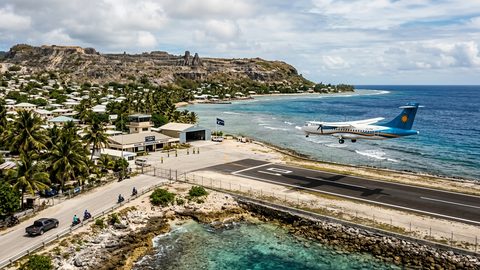 Getting to Nauru, the Pacific State Where Air Schedules Define Your Stay
A logistics briefing on reaching Nauru by air — covering weekly flights from Brisbane and Honiara, visa-on-arrival requirements, and planning around fixed departure dates.
Getting to Nauru, the Pacific State Where Air Schedules Define Your Stay
A logistics briefing on reaching Nauru by air — covering weekly flights from Brisbane and Honiara, visa-on-arrival requirements, and planning around fixed departure dates.
-
 Nauru, the Pacific Republic That Phosphate Built and Nearly Erased
Nauru is one of the Pacific's most overlooked republics. A candid guide to topside, Buada Lagoon, colonial history, and how to actually get there.
Nauru, the Pacific Republic That Phosphate Built and Nearly Erased
Nauru is one of the Pacific's most overlooked republics. A candid guide to topside, Buada Lagoon, colonial history, and how to actually get there.
-
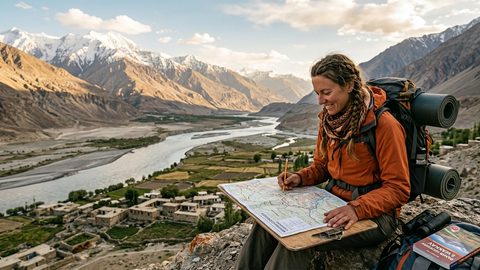 Planning Independent Travel in the Wakhan Corridor, Tajikistan
Independent travel in Tajikistan's Wakhan Corridor: GBAO permits, road conditions from Ishkashim, realistic travel windows, and honest logistics for serious overlanders.
Planning Independent Travel in the Wakhan Corridor, Tajikistan
Independent travel in Tajikistan's Wakhan Corridor: GBAO permits, road conditions from Ishkashim, realistic travel windows, and honest logistics for serious overlanders.