Beyond Lomé: Togo's Vodun Shrines, Slave Coast and Northern Parks
Togo packs West Africa's density into a narrow strip, from the spiritual epicenter of Togoville to the wildlife corridors of Kéran National Park.
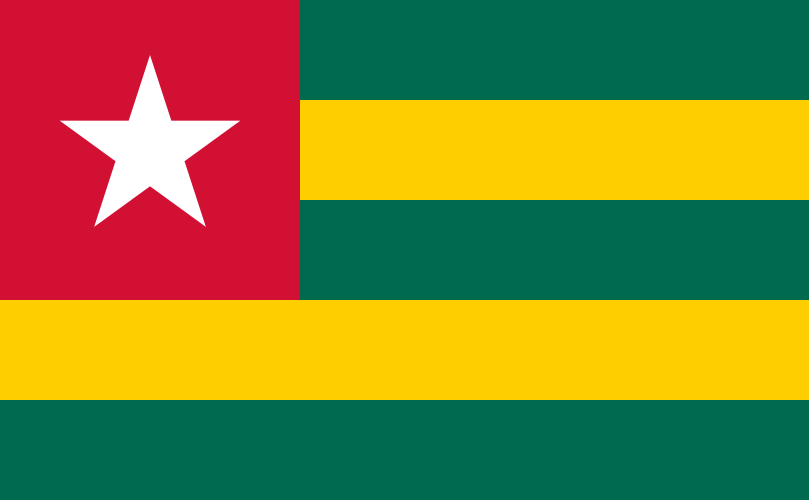
- Flag
-
- ISO code
- TG
- Population
- 7,889,094
- Currency
- XOF
- Dial code
- +228
Togo Travel Guide: Lomé, the Voodoo Coast and Kéran National Park
Hire a zémidjan driver in Lomé, tell him the name of the lake village, and you are forty minutes from the most intense stillness you will find in West Africa. The motorcycle leaves the coastal roar of Grand Marché behind, passes the fetish market in Akodésséwa district, and ends at a pirogue slip on Lake Togo. The boat crossing is silent. On the other side, the village has no traffic. No markets shouting. No generators. Vodun shrines sit in front rooms of concrete houses. Pythons sleep curled in temple corners. The chief of the village keeps a royal palace that you visit by asking a neighbour where to find him.
This journey from chaos to quiet defines the country. Togo is a thin corridor between Ghana and Benin, stretching from the Atlantic to the Sahel, and everything worth doing involves leaving the capital behind. The country exists in a gap between the bigger tourism profiles of its neighbours. It gets fewer visitors than Benin receives at the Door of No Return alone. That is the reason to go.
Your route runs north from the lake village, up the N1 highway, past the colonial-era train station that operates no trains, through Kpalimé's cocoa hills and Sokodé's livestock markets, until the tarmac dissolves into laterite dust at the gates of Kéran National Park near the Oti River. This is a condensed road trip. Seven days is the minimum. Two of those days vanish on the journey north and back.
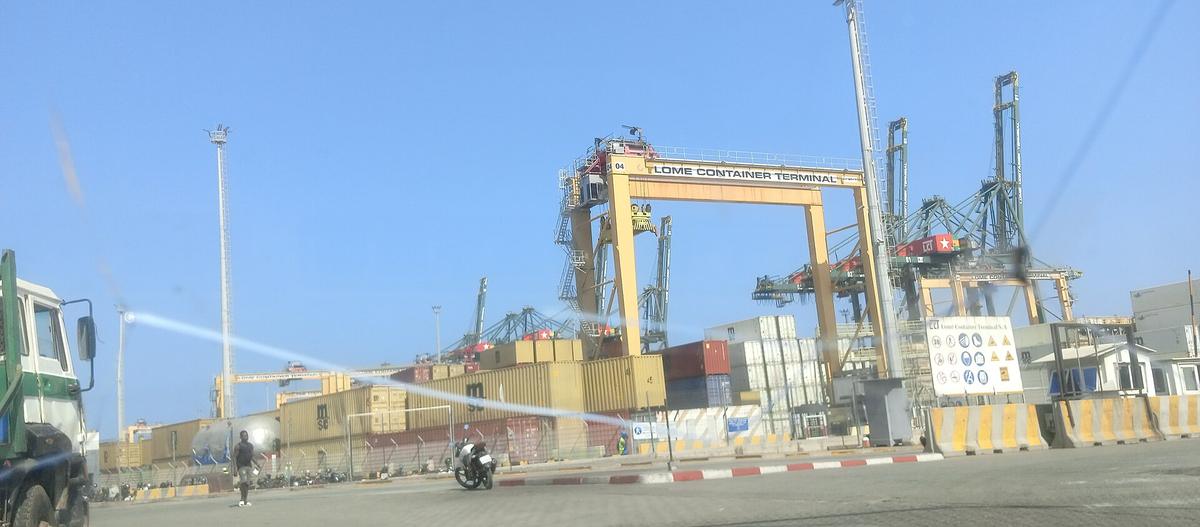

- Minimum Days: 7
- Peak Season: December to February (dry harmattan, Vodun festivals)
- Avoid Window: March to May and September to October (rain turns roads to mud)
- Airport: Lomé, Tokoin International Airport (LFW)
- Visa: E-visa or visa on arrival (XOF 15,000, 30,000 via République Togolaise online portal)
- Currency: West African CFA franc (XOF), fixed peg EUR 1 = XOF 655.957
- Public Transport: Shared bush taxis and minibuses (tro-tro) on paved roads; zémidjans (motorcycle taxis) for unpaved tracks
- ATM Availability: Lomé only. Carry euros or dollars as backup.
- Connectivity: Buy MTN or Moov Africa SIM at airport. 4G in Lomé only. Download offline maps before leaving the capital.
- Safety Note (2024 advisory): UK FCDO and US State Dept advise against non-essential travel north of Kpendjal and Oti prefectures due to Sahel spillover risk.
Lomé to Togoville: from Urban Roar to Vodun Stillness
Skip the beach. Lomé's coast is a working port and a dumping ground for truck tyres. Go inland instead. Start at Grand Marché de Lomé on a Saturday morning, when the energy is at its peak. Enter from the Boulevard du Mono side to avoid the pickpocket density at Dantokpa Market across the border in Cotonou. Walk the aisles of cloth, dried fish, and imported Chinese electronics until you reach the food section, where women sell grilled maize and fried wagasi cheese from Fulani herders.
Fetish Market
From the market, take a zémidjan to the Marché des Féticheurs in the Akodésséwa district. This is not a tourist diorama. Vendors sell dried chameleons, baboon skulls, and bundles of medicinal bark for Vodun priests who walk these aisles daily. Do not photograph without asking and paying. A fair price for a photo is XOF 500 to XOF 1,000 per vendor. Do not touch anything unless invited. Do not buy animal parts to take home as a souvenir. Export restrictions on wildlife products are real at Lomé airport.
The Crossing To The Lake Village
Reaching the village involves a negotiated pirogue crossing from Agbodrafo, a fishing settlement east of Lomé. Agree on the boat price before boarding: a return trip including waiting time costs around XOF 10,000 to XOF 15,000. The crossing takes twenty minutes. Once you land, find the town guide at the pirogue slip. Guides are mandatory for visiting the royal palace and major shrines. The fee is XOF 5,000 per person for a two-hour walk. Inside the royal palace, ask about the pact between King Mlapa III and the German colonial administration that kept this place as a spiritual capital when the Germans moved the administrative capital to Lomé. Your guide will show the altar where the reigning chief consults vodunsi, initiated priests, before making decisions.
The Road North: Dust, Parks and the Atakora Hills
From the lake, return to Lomé, then take a bush taxi heading north on the N1. The road is paved to Sokodé. Beyond Sokodé, the tarmac is intermittent and the quality drops. Budget six hours for the stretch after the pavement ends.
Kéran National Park sits in the Région de la Kara, along the Oti River. This is not Pendjari in Benin. Kéran is smaller, quieter, and receives a fraction of the visitors. There are no luxury lodges inside the park. Accommodation means camping with a guide or staying in the town of Kara, 45 minutes south, where basic hotels charge XOF 15,000 to XOF 25,000 per night. Book a park guide through the Kara tourism office at least 48 hours ahead. The guide you hire will arrange a vehicle and a cook. The dry months from December to February offer the best wildlife viewing because elephants, antelope, and baboons concentrate around shrinking waterholes.
Mango And The Northern Gate
If your itinerary stretches further, push to Mango in the Région des Savanes, on the N1 highway that continues to Burkina Faso. Mango is a market town with a frontier feel and a dusty main street. The town sits in the Oti prefecture where the British, US, and French governments warn against non-essential travel due to spillover from Sahel-based extremist groups. Check your government's travel advisory for the current risk level before proceeding north of Kara. If you do visit, Mango's Monday market is the largest in northern Togo, drawing Fulani herders selling cattle and Hausa traders in printed cotton.
Atakora Hills: A Detour Into The Past
West of the N1, the Atakora hills rise into Ghana. The Togolese side holds pockets of animist villages where the chief's permission is required before photographing anything. The village of Tanéka Béri, thirty minutes from Natitingou by zémidjan, maintains a calendar of agricultural rituals tied to the yam harvest. These are not performances. You cannot book a slot. Show up, find the chief, explain your intention, and accept whatever answer you receive. If you are invited, bring a gift: kola nuts, sodabi palm spirit, or salt. Do not offer money as a first gesture. Money is for after the ceremony, if the chief accepts it.
| Location | Access Time From Lomé | Best Visit Duration | Essential Cost |
|---|---|---|---|
| Togoville (Vodun centre) | 40+ min drive + 20 min pirogue | Half-day | XOF 10,000-15,000 boat + XOF 5,000 guide |
| Kéran National Park | 6-8 hours by bush taxi (N1) | 2-3 days | XOF 40,000-60,000/day vehicle+guide+entry |
| Marché des Féticheurs | 20 min from Grand Marché | 1 hour | XOF 500-1,000 per photo permission |
| Mango (northern market) | 8-10 hours by bush taxi | 1 day | XOF 3,000 for market day taxi from Kara |
.jpg)
Logistics That Matter More Here Than Elsewhere
ATMs work only in Lomé. Carry your entire budget in cash from the capital. Bank branches in Kara and Sokodé may exchange euros but charge a commission of 5 to 8 percent. Keep your passport with you at every police roadblock on the N1. Officers wave down every tro-tro and demand a bribe of XOF 500 to XOF 2,000 or the presentation of your papers. A photocopy of your passport and visa page is sufficient. If an officer insists on cash, pay the small amount, get your receipt, and move on. Treat it as the standard chai for fuel.
Zémidjans do not know street names. Give instructions by landmark: "near the Total station after the roundabout," "the second pharmacy past the market." Short hops cost XOF 100 to XOF 500. Trips across southern Lomé cost up to XOF 1,500. Negotiate before mounting the bike. Helmets are not provided. Bring your own lightweight cycling helmet if you plan to use motos for more than a day. A head injury in Kara would require evacuation to Lomé. Medical evacuation insurance from a reputable provider is mandatory for this trip.
Power cuts happen daily outside Lomé. A power bank big enough to charge your phone for three days is not optional. Download offline maps of the entire country on Google Maps or Maps.me before leaving Lomé. Download the French translation pack for Google Translate. English is rare outside hotels and the airport.
Common Questions
Can I visit Togoville without a guide?
No. The village chief requires visitors to be accompanied by a licensed guide. The fee is XOF 5,000 per person for two hours. Guides meet every boat at the pirogue landing.
Is Kéran National Park safe to visit given Sahel security risks?
Kéran lies in the Région de la Kara, below the Oti prefecture where advisory warnings apply. The risk is elevated but not prohibitive. Check your government's travel advisory the week before departure and avoid travelling north of Mango.
How much cash should I carry for a week in Togo?
Carry enough for bush taxis, accommodation, food, guides, park fees, and zémidjans for the full week. ATMs only work in Lomé. Exchange euros at banks in Lomé before heading north.
What do I wear for village and shrine visits?
Long trousers and shirts covering the shoulders. Remove shoes before entering shrines. Do not wear red or black in the lake village without asking first: those colours carry specific Vodun meanings and may cause offence.
Read next
-
 Getting to Nauru, the Pacific State Where Air Schedules Define Your Stay
A logistics briefing on reaching Nauru by air — covering weekly flights from Brisbane and Honiara, visa-on-arrival requirements, and planning around fixed departure dates.
Getting to Nauru, the Pacific State Where Air Schedules Define Your Stay
A logistics briefing on reaching Nauru by air — covering weekly flights from Brisbane and Honiara, visa-on-arrival requirements, and planning around fixed departure dates.
-
 Nauru, the Pacific Republic That Phosphate Built and Nearly Erased
Nauru is one of the Pacific's most overlooked republics. A candid guide to topside, Buada Lagoon, colonial history, and how to actually get there.
Nauru, the Pacific Republic That Phosphate Built and Nearly Erased
Nauru is one of the Pacific's most overlooked republics. A candid guide to topside, Buada Lagoon, colonial history, and how to actually get there.
-
 Planning Independent Travel in the Wakhan Corridor, Tajikistan
Independent travel in Tajikistan's Wakhan Corridor: GBAO permits, road conditions from Ishkashim, realistic travel windows, and honest logistics for serious overlanders.
Planning Independent Travel in the Wakhan Corridor, Tajikistan
Independent travel in Tajikistan's Wakhan Corridor: GBAO permits, road conditions from Ishkashim, realistic travel windows, and honest logistics for serious overlanders.