The Raw Heart of West Africa: Benin From South to North
Benin end to end: a travel guide for adventurous travellers covering Cotonou, the Vodun coast, the Dahomey palaces, and the remote Atakora hills.
- Flag
-

- ISO code
- BJ
- Population
- 11,485,048
- Currency
- XOF
- Dial code
- +229
The Raw Heart of West Africa: Benin from South to North
Most travellers think Benin is a smaller, easier version of its neighbours. The opposite is true. This country punishes shortcuts. French is non-negotiable outside Cotonou. ATM cards fail. Bush taxis leave when they are full, not when you are ready. Vodun is not a staged performance for tourists but a living religion that stops conversations and closes streets without notice. If you need reliable Wi Fi or a predictable schedule, book a different trip. Benin is for travellers who have outgrown polished West Africa and want something that pushes back.
The full south to north journey demands a pace all its own. Seven days is the minimum. Two weeks is better. The country is only 121 kilometres of coastline and the drive from Cotonou to the Atakora range is long, but bad roads, police checkpoints and the sheer weight of ceremonies will double your travel time. Plan for that. Do not fight it.
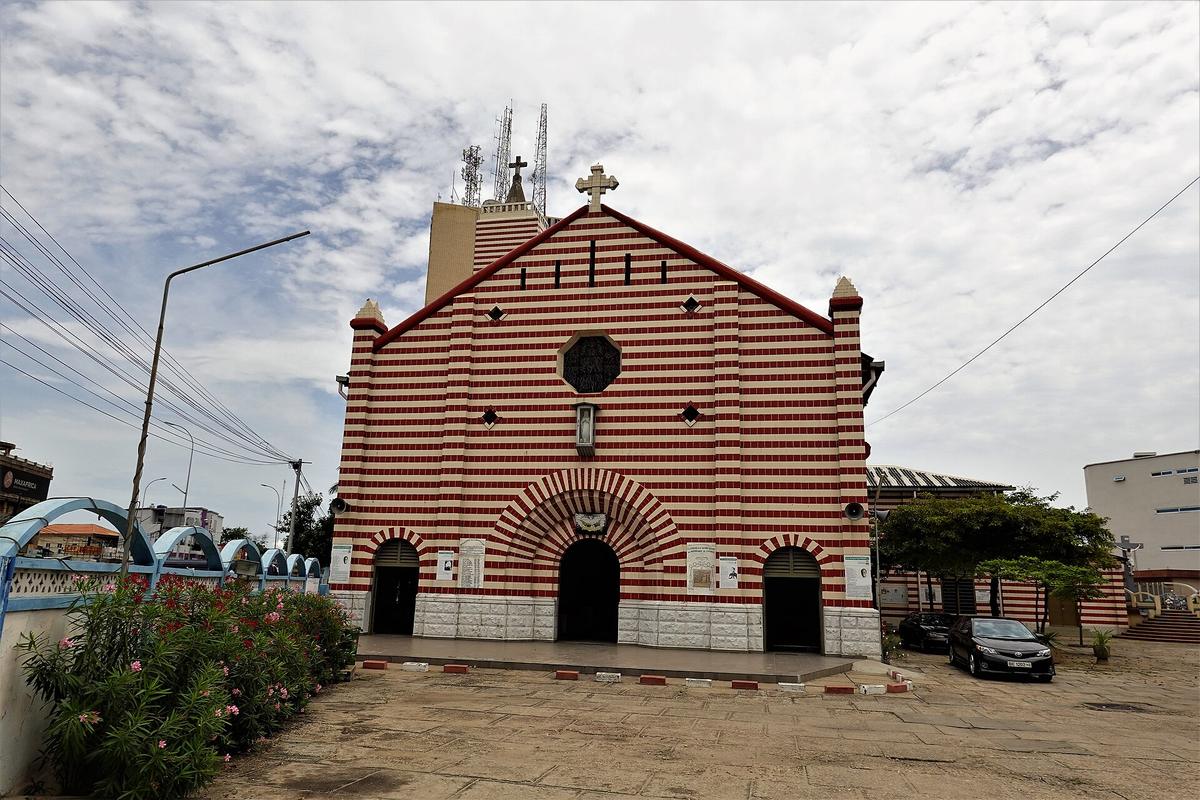

- Best For: Anthropology and religion researchers, adventurous solo travellers, photographers chasing authentic ceremonies, history buffs focused on the transatlantic slave trade, return visitors to West Africa looking for a less-trodden path.
- Not For: First-time Africa visitors, beach-resort seekers, families with young children needing predictable comforts, anyone unwilling to use French or hire a translator. Skip it if you need reliable Wi-Fi, nightlife, or easy logistics.
- Minimum Days: 7. Distances are short but roads are bad, and the key Vodun and historical sites are spread across the south, centre and north.
- Peak Season: December to February. Dry harmattan winds lower humidity and keep laterite roads passable. Major Vodun festivals cluster here, especially January 10 (Fête du Vodoun) in Ouidah.
- Avoid Window: March to May and September to October. Rain turns unpaved roads to mud, especially in the north and around lake villages. Avoid the week around August 1 (Independence Day) in Cotonou if you want quiet hotels.
- Entry Point: Cotonou Cadjehoun Airport (COO). Taxis to central Cotonou take 15 to 30 minutes, cost XOF 3,000 to 5,000, negotiate before getting in. No ride-hailing apps work reliably. Overland: Sèmè-Kraké border with Nigeria or Hillacondji border with Togo.
- Getting Around: Shared taxi-brousse (bush taxi) and zemidjan (moto-taxi) dominate. Zemidjan rides need cash in small denominations (XOF 100 or 500 for short hops). Drivers navigate by landmarks (pharmacies, roundabouts, hotels), not street names.
- Connectivity: Buy a MTN or Moov Africa SIM at Cotonou airport or an agency with passport photo. 4G decent in Cotonou and Porto-Novo but patchy in the north and inside Pendjari. Download offline maps and French translation before leaving the capital.
The South: Cotonou, Ouidah and the Vodun Coast
Start in Cotonou, but do not stay long. Two nights is enough. The city is a humid, chaotic economic hub where Dantokpa Market swallows whole mornings. Treat Dantokpa as a pickpocket hotspot. Keep your phone in a front pocket and your wallet under clothing. The Place des Martyrs and the Zinsou Foundation contemporary art museum are worth an hour each. Skip the nightlife. You need early mornings for what comes next.
From Cotonou, a taxi to Ouidah costs XOF 10,000 to 15,000 and takes about an hour. Ouidah is the spiritual centre of Vodun and the site of the Route des Esclaves, the path slaves walked to the ships. Walk the full four kilometres from the Sacred Forest of Kpassè to the Door of No Return. Do not rush it. The Temple of Pythons charges a small entry fee and contains live snakes. Pay the fee. Touch nothing.
January 10 in Ouidah
If your dates line up with January 10, the Fête du Vodoun fills Ouidah with ceremonies, drumming and possession rituals. The 2024 celebration drew thousands. Book accommodation in Ouidah six months ahead for this date. Hotels in Cotonou are a fallback but you will miss the dawn processions.
Ganvié as a Day Trip
Ganvié, the stilt village on Lake Nokoué, is a half-day trip from Abomey-Calavi, 30 minutes by pirogue. Negotiate the boat to XOF 15,000 to 25,000. The floating market happens early. Arrive by 08:00. Do not overnight here. The lake is beautiful. The poverty is real. Photograph with permission or do not photograph at all.
Abomey and the Royal Palaces
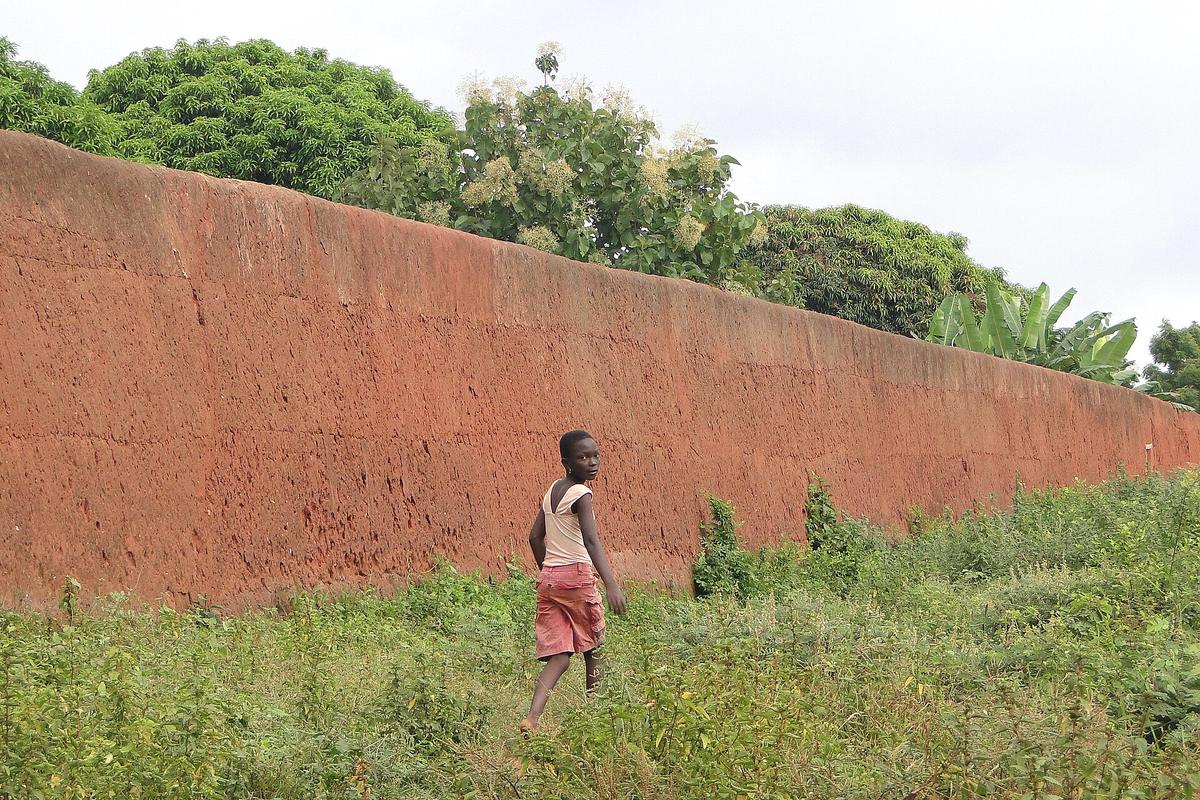
From Ouidah or Cotonou, a bush taxi to Abomey takes three to four hours on paved but slow roads. Abomey sits on a low plateau at 100 to 200 metres elevation. The Royal Palaces of Abomey are a UNESCO World Heritage site that was listed as World Heritage in Danger from 1985 to 2007. Book a local guide on arrival at the entrance. Do not skip the guide you hire. The bas reliefs and the story of King Béhanzin require context you cannot get from a plaque.
Abomey demands one full day. The red earth streets and the palace complex are compact. After the palaces, walk the market. Eat igname pilée if you see it. The town has limited hotels. Book one with a generator. Power cuts hit here regularly.
Detour to Dassa-Zoumè
If you have an extra day, detour to Dassa-Zoumè, one hour north by bush taxi. The granite hills around the Grotte Notre-Dame d'Arigbo are a Catholic pilgrimage site and a cooler microclimate. Worth the detour only if you have already finished Abomey and need a quiet afternoon.
| Region | Key Towns | Travel Time From Cotonou | Dry Season | Main Draw |
|---|---|---|---|---|
| South Coast | Cotonou, Ouidah, Grand-Popo, Ganvié | 0–1.5 hours | November–March | Vodun sites, slave route, stilt villages, beach |
| Centre (Abomey Plateau) | Abomey, Dassa-Zoumè | 3–4 hours | November–March | Royal Palaces of Abomey, UNESCO site, red-earth towns |
| North-West (Atakora) | Natitingou, Boukoumbé, Pendjari | 10–12 hours | November–April | Tata Somba houses, Pendjari wildlife, animist rituals |

The North: Atakora Hills, Tata Somba Houses and Pendjari
The north is where Benin becomes physically demanding and culturally raw. From Abomey, a bush taxi to Natitingou takes six to eight hours on a paved but police-checkpoint-heavy route. Natitingou is the base for Somba country. Its elevation makes it cooler than the south. Use it as a base for two nights minimum.
From Natitingou, a zemidjan ride to Boukoumbé costs small change and takes 30 to 40 minutes. Boukoumbé is the heart of the Tata Somba fortress-home territory. These two-storey mud structures with animal motifs are UNESCO-adjacent. Before photographing any Tata house, find the village chief and ask permission. Refusal happens. Respect it. Some chiefs request a small gift (cola nuts, tobacco, or cash around XOF 500). Carry those.
Tanéka Béri village, 30 minutes from Natitingou by zemidjan, requires advance permission for visits. Arrange it through a guide in Natitingou. The animist rituals here are not public performances. If you are invited to one, attend. If you are not, do not push.
Pendjari National Park
Pendjari is the southern half of the W-Arly-Pendjari (WAP) complex, a UNESCO World Heritage site. The best wildlife months are December to March. You must book a lodge and a guide in advance outside the park. No walk-in entry. The road from Natitingou to the park takes two hours and becomes impassable in rain. Budget two days for Pendjari: one full game drive and one travel day each way. Lions, elephants and antelopes are common. Cheetahs are rare. Do not expect a safari that competes with East Africa. Expect one that feels empty and raw.
The return south to Cotonou eats a full day. The 600-kilometre drive from Natitingou to Cotonou takes 10 to 12 hours. Do not schedule flights or connections on the same day.
Common Questions
Can I visit Benin without speaking French?
You can manage three days in Cotonou with gestures and Google Translate. The north, Abomey and most market interactions demand French or a hired translator. Bring one or budget for a local guide.
How do I handle police checkpoints?
Keep your passport and e-visa printed. Hand them over. Do not offer money first. If asked for a bribe (common on RNIE highways), say you have no change. Most checkpoint officers wave you through after a glance.
Is Pendjari safe for solo travellers?
Yes, if you book a lodge and guide in advance. Solo walkers inside the park are not permitted. The drive from Natitingou is safe in daylight. Avoid driving after 17:00 due to poor road visibility and livestock.
What happens if my ATM card is rejected?
ATMs in Cotonou, Porto-Novo and Parakou frequently reject foreign Visa cards. Carry EUR or USD in cash to exchange at banks in Cotonou. Do not rely on cards outside the capital. A power bank is essential for phone payments (MTN Mobile Money).
Read next
-
 Getting to Nauru, the Pacific State Where Air Schedules Define Your Stay
A logistics briefing on reaching Nauru by air — covering weekly flights from Brisbane and Honiara, visa-on-arrival requirements, and planning around fixed departure dates.
Getting to Nauru, the Pacific State Where Air Schedules Define Your Stay
A logistics briefing on reaching Nauru by air — covering weekly flights from Brisbane and Honiara, visa-on-arrival requirements, and planning around fixed departure dates.
-
 Nauru, the Pacific Republic That Phosphate Built and Nearly Erased
Nauru is one of the Pacific's most overlooked republics. A candid guide to topside, Buada Lagoon, colonial history, and how to actually get there.
Nauru, the Pacific Republic That Phosphate Built and Nearly Erased
Nauru is one of the Pacific's most overlooked republics. A candid guide to topside, Buada Lagoon, colonial history, and how to actually get there.
-
 Planning Independent Travel in the Wakhan Corridor, Tajikistan
Independent travel in Tajikistan's Wakhan Corridor: GBAO permits, road conditions from Ishkashim, realistic travel windows, and honest logistics for serious overlanders.
Planning Independent Travel in the Wakhan Corridor, Tajikistan
Independent travel in Tajikistan's Wakhan Corridor: GBAO permits, road conditions from Ishkashim, realistic travel windows, and honest logistics for serious overlanders.