Ouagadougou, the Grand Market, FESPACO, and Daily Life in Africa's Film Capital
Ouagadougou pulses with the Grand Marché's commerce and the biennial FESPACO film festival, but travellers must navigate a city shaped by security concerns.
- Flag
-
- ISO code
- BF
- Population
- 2,415,266
- Currency
- XOF
- Timezone
- Africa/Ouagadougou
Ouagadougou, the Grand Market, FESPACO, and Daily Life in Africa’s Film Capital
The taxi vert drops you on Avenue Kwame Nkrumah at 07:30, and the heat is already pressing through the harmattan haze. A woman balancing a basin of smoked catfish on her head threads between stalled motorcycles, and from somewhere inside the maze of sheet-metal roofing comes the rhythmic thump of a mortar pounding millet. This is Rood Woko, the Grand Marché de Ouagadougou, rebuilt after the 2003 fire. It is the closest thing this city has to a centre of gravity.
Ouagadougou is not a sightseeing city. There is no hilltop viewpoint, no colonial-era fortress, no single monument that sums it up. What it offers instead is a rhythm: the daily pulse of its markets, the pervasive influence of cinema culture, and its function as a Sahelian crossroads where traders, filmmakers, and diplomats meet. For a traveller, the question is not what to see but how to move through that rhythm. Whether you arrive during a FESPACO year or an ordinary week changes everything.


Getting Around the City and Its Neighbourhoods
Where to Stay
Your first decision is where to sleep. Three zones serve different purposes. Zone du Bois, in the Koulouba area, holds mid-range to high-end hotels within walking distance of the National Museum. Centre-ville, the downtown core, clusters business hotels and budget guesthouses near the main arteries. Quartier Ouaga 2000, to the southeast, is the diplomatic and luxury quarter where embassies and international chains sit on wide, quiet boulevards. Prices run from XOF 10,000 to XOF 150,000 per night, depending on class and season. During a FESPACO year, book six months ahead for February. Hotel occupancy hits near 100% during the festival, and budget rooms vanish first.
How to Move
Getting around means green taxis. These shared Toyota Corollas run fixed routes, charge XOF 200 to 500 per passenger within the city centre, and require you to hail them from the roadside. Drivers stop for anyone on the route, so you share the ride with strangers. Know your landmark. Street names are unreliable; reference a pharmacy, a roundabout, or a known hotel. The airport is a special case. Aéroport International Thomas Sankara Ouagadougou sits just 1.5 kilometres southeast of the centre, so a taxi from the terminal to a Zone du Bois hotel should cost no more than XOF 1,500. Do not let the driver quote higher. Walk outside the immediate terminal pick-up zone where prices drop.
French is not optional. English is rare outside the international hotels and the Institut Français. If you do not speak French at a functional level, hire a local guide or translator for the duration of your stay. This is not a politeness; it is a survival tactic for markets, taxi negotiations, and street food.
Rood Woko, Village Artisanal, and What to Buy
Rood Woko: The Grand Marché
Enter Rood Woko through the north gate off Avenue de la Liberté. Arrive by 08:00, before the crowds and the worst heat. The central hall, rebuilt after the fire, is a grid of narrow alleys under corrugated iron. You will find textiles stacked by colour, mounds of dried chillies, shea butter in plastic tubs, and electronics stalls where men repair mobile phones with cigarette-lighters. The fabric section on the western side holds the best selection of Faso Dan Fani, the handwoven cotton cloth from the Bobo region. Bargaining is expected. Start at half the quoted price and settle at 60-70%. Do not pull out a wad of cash. Keep small denominations in a front pocket and pay from there.
Pickpockets work this market. Keep your bag zipped and in front of your body. Do not wear a backpack. Ask permission before raising your camera; some stallholders demand payment for a portrait, and others refuse outright.
Village Artisanal de Ouagadougou
For crafts without the chaos, go to the Village Artisanal in Quartier Gounghin, near Avenue de la Nation. This is a government-curated collection of workshops where you watch artisans at work. Bronze casting using the lost-wax method, leather goods, batik textiles, wood carving, and jewellery are the specialities. Prices here are fixed, or close to it, which saves negotiation time and guarantees quality. A bronze bracelet costs XOF 3,000 to 5,000. A large batik wall hanging runs XOF 15,000 to 25,000. The craftsmen are used to slow browsing and questions. Spend an hour. Buy directly from the maker, not from a middleman reselling at the entrance.
FESPACO and Cinema Culture in Ordinary Weeks
When FESPACO Transforms the City
The Festival Panafricain du Cinéma et de la Télévision de Ouagadougou, known as FESPACO, takes over every two years in February of odd-numbered years. The next edition is 2027. Founded in 1969, it is Africa's largest film festival. During its ten days the city's population swells, streets fill with crowds, and venues operate at capacity. Security tightens visibly; expect vehicle checks at major intersections. The informal economy spikes as street vendors sell T-shirts, bootleg DVDs, and grilled meat outside screening venues. If you come for FESPACO, your focus is films. The main screenings happen at CENASA (Centre National des Arts, du Spectacle et de l'Audiovisuel) and at the Institut Français de Ouagadougou. Buy passes in advance through the festival's online portal. Do not expect to walk up and buy a day pass for the most popular films; they sell out.
The secondary effect of FESPACO is parties. Every embassy, cultural institute, and hotel courtyard hosts an evening reception. You need an invitation, which requires networking. If you attend, carry business cards and accept every conversation. This is how Ouagadougou works: face to face.
What the City Offers Between Festivals
In an ordinary week, the film culture remains visible but quiet. The Institut Français hosts screenings on Wednesday and Friday evenings; check the board at the entrance for that week's schedule. Espace Culturel Gambidi stages theatre and live music. For music specifically, Jardin de la Musique Reemdoogo holds Sunday afternoon concerts where you can hear traditional balafon and modern electro-afro in the same set. Entry is XOF 2,000.
The Musée National du Burkina Faso on Avenue du Président Thomas Sankara holds approximately 9,000 objects, though only a fraction are on display at any time. The permanent exhibition covers Mossi kingdoms, mask traditions, and the Sankara era. Allocate 90 minutes. The signage is in French. If you cannot read it, the visit loses most of its value, so hire a guide from the museum's front desk for XOF 5,000.


Music, Evening Life, and Eating in the City
After Dark
After dark, the city does not shut down but it does contract into predictable pockets. The Institut Français courtyard stays open late during screenings. Jardin de la Musique Reemdoogo on a weekend evening draws a mixed crowd of locals and expats drinking Bier Flag and listening to live bands. CENASA hosts occasional concerts and dance performances. None of these places require a reservation, but arrive by 20:00 if you want a seat.
Where and What to Eat
For food, avoid the hotel restaurants. They serve overpriced approximations of international cuisine. Instead, eat at a maquis, the informal open-air eateries scattered through every neighbourhood. The standard meal is grilled chicken or beef with sauce gombo (okra stew) and riz gras (rice cooked in tomato broth). A plate costs XOF 1,500 to 2,500. For fish, look for a maquis near the Marché de Sankorare on a Friday; the tilapia arrives fresh from the dams. Vegetarians have a harder time. The reliable option is poulet bicyclette (free-range chicken) or thiakri (millet couscous with yoghurt and baobab fruit) sold at street stalls in the morning.
Drink filtered water or bottled water only. Tap water is not safe. Every pharmacy sells sachets of purified water for XOF 100.
The Honest Caveat
A travel guide that likes everything is worthless, so here is the truth: Ouagadougou is not an easy city, and it is not a fun one if you resist its terms. The heat is punishing from March onward. The green taxis break down. The power cuts are frequent enough that a power bank is essential. The security situation requires constant attention. And without French, you are locked out of the conversations and negotiations that make the place work. If you want a tidy, orderly capital with English menus and a hop-on hop-off bus, skip Ouagadougou. But if you accept that its draw is not in what you see but in how you move through the crowd at Rood Woko, or in the shared anticipation of a FESPACO screening, or in the slow negotiation over a bronze ring at the Village Artisanal, then you have understood what this city actually offers: not a destination, but an intersection.
What to See in Ouagadougou
Common Questions
Is Ouagadougou safe for travellers right now?
Security conditions shift frequently due to regional instability. Check the Burkina Faso hub on this site for the most recent security context before planning any travel. The city centre, markets, and main hotels are calm, but roadblocks on routes outside the capital are common, and travel beyond Ouagadougou requires local advice.
What is the best time of year to visit?
December through February during the dry harmattan season. That covers FESPACO in odd-numbered years. March to May is extremely hot, and the rainy season from June to September turns unpaved streets to mud and limits access to sites outside the city.
How many days should I spend in Ouagadougou?
Three full days for the city alone: one for Rood Woko and the Village Artisanal, one for the National Museum and a music venue, and one for wandering the neighbourhoods. If you plan to attend FESPACO, budget the full ten days of the festival.
Can I use credit cards in Ouagadougou?
Not reliably. ATMs often reject foreign Visa cards. Bring euros or dollars as backup and exchange at banks in the city centre. Most market transactions and small restaurants require cash. Keep a working float of small-denomination CFA francs for each day.
Do I need a visa to enter Burkina Faso?
Visa and entry rules are set by the national government and change. These are covered on the Burkina Faso country guide page. Check that page first, then proceed with your application.
Read next
-
 Rood Woko, the Grand Market
Ouagadougou's Rood Woko Grand Market is organised by section—fabrics, food, electronics, crafts—and knowing the layout helps you shop without getting overwhelmed.
Rood Woko, the Grand Market
Ouagadougou's Rood Woko Grand Market is organised by section—fabrics, food, electronics, crafts—and knowing the layout helps you shop without getting overwhelmed.
-
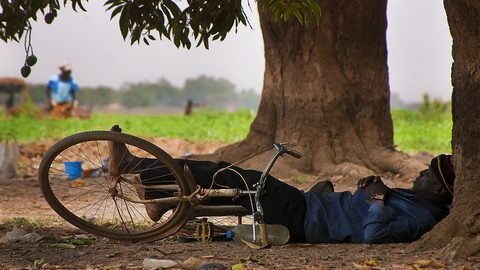 Burkina Faso Travel Guide Ouagadougou Banfora and the Sahel Region
Burkina Faso offers Ouagadougou's film festival, the Banfora escarpment, and Sahel trading towns, but security constraints now define any journey here.
Burkina Faso Travel Guide Ouagadougou Banfora and the Sahel Region
Burkina Faso offers Ouagadougou's film festival, the Banfora escarpment, and Sahel trading towns, but security constraints now define any journey here.
-
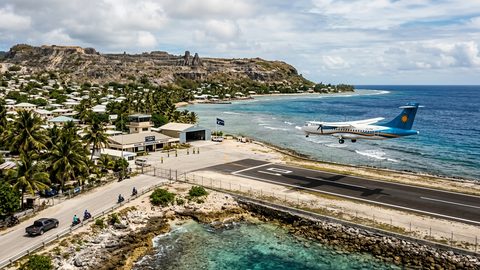 Getting to Nauru, the Pacific State Where Air Schedules Define Your Stay
A logistics briefing on reaching Nauru by air — covering weekly flights from Brisbane and Honiara, visa-on-arrival requirements, and planning around fixed departure dates.
Getting to Nauru, the Pacific State Where Air Schedules Define Your Stay
A logistics briefing on reaching Nauru by air — covering weekly flights from Brisbane and Honiara, visa-on-arrival requirements, and planning around fixed departure dates.
-
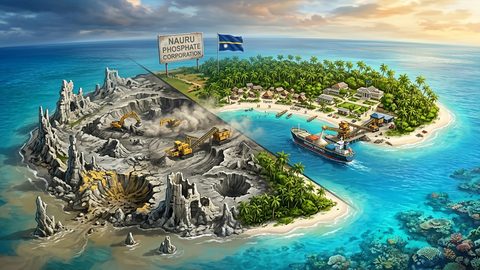 Nauru, the Pacific Republic That Phosphate Built and Nearly Erased
Nauru is one of the Pacific's most overlooked republics. A candid guide to topside, Buada Lagoon, colonial history, and how to actually get there.
Nauru, the Pacific Republic That Phosphate Built and Nearly Erased
Nauru is one of the Pacific's most overlooked republics. A candid guide to topside, Buada Lagoon, colonial history, and how to actually get there.
-
 Planning Independent Travel in the Wakhan Corridor, Tajikistan
Independent travel in Tajikistan's Wakhan Corridor: GBAO permits, road conditions from Ishkashim, realistic travel windows, and honest logistics for serious overlanders.
Planning Independent Travel in the Wakhan Corridor, Tajikistan
Independent travel in Tajikistan's Wakhan Corridor: GBAO permits, road conditions from Ishkashim, realistic travel windows, and honest logistics for serious overlanders.