Dori, the Caravan Town of the Liptako and Its Historic Friday Market
Dori was a historic caravan town in Burkina Faso's Liptako region where Fulani and Tuareg traders met at the Friday market, now inaccessible due to insecurity.
- Flag
-
- ISO code
- BF
- Population
- 46,512
- Currency
- XOF
- Timezone
- Africa/Ouagadougou
The Friday Market of Dori, Historic Caravan Hub of the Liptako Emirate
You cannot go there now. That is the honest starting point. Dori, capital of Séno Province in Burkina Faso's Sahel Region, sits inside a zone where every major government advisory in 2024 warns against non-essential travel. But Dori matters to the story of the Sahel. Understanding why it matters, and what happens to a place when the caravans stop, is the reason the Friday market still resonates far beyond the town's current boundaries.
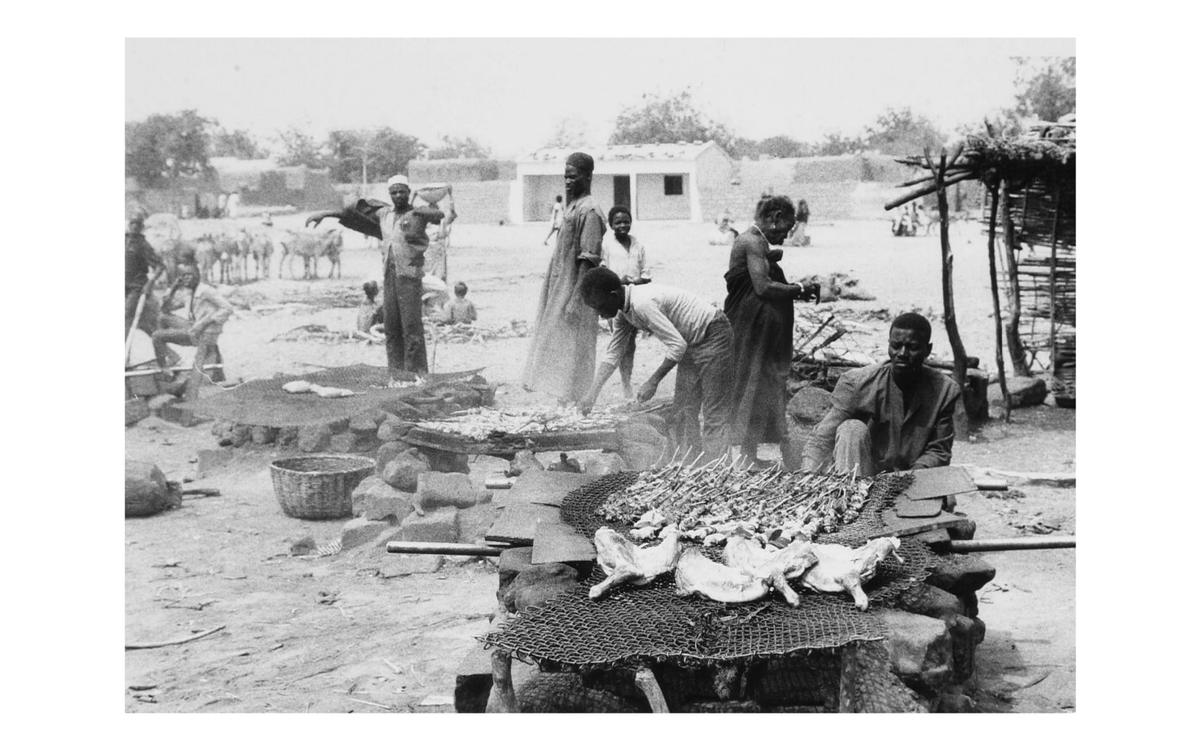
Dori was the centre of the Liptako emirate, founded in 1810 by Alpha Brahima Seydou Birmali. The emirate controlled a stretch of the trans-Sahel trade routes that connected the salt mines of the Sahara to the grain-producing savanna kingdoms further south. Two groups dominated that trade: Fulani herders who brought cattle and knowledge of the dry-season pastures, and Tuareg caravanners who moved rock salt from Taoudenni. Songhai merchants handled the exchange of cloth, gold, and slaves. Dori sat at the intersection of their routes. Every Friday, the market swelled with livestock, salt slabs, millet, and woven goods. The town was a hinge between worlds.
The Buildings That Remain
The Grand Mosque of Dori, built in the Sudano-Sahelian style of mud brick and timber, still stands. So does the Regional Museum of the Sahel, which holds displays on Fulani and Tuareg material culture. Study the photographs of these buildings online. Read the scholarly literature on the Liptako emirate. What you cannot do safely in 2024 is walk the streets of Dori or negotiate a cattle purchase at the Friday market. The town sits on National Road 3 from Ouagadougou through Kaya, a distance of approximately 265 kilometres, but the road passes through territory where armed groups operate. Do not attempt this drive without professional safety advice that is current to the day you read this.

What the Friday Market Meant and Why it Mattered
The Friday market was not a tourist attraction. It was the economic engine of the Liptako. Livestock, primarily zebu cattle and goats, changed hands in numbers that determined local wealth. Salt from the Sahara, brought by Tuareg caravans that took weeks to cross the Ténéré and the Aïr, was weighed and priced against millet from the south. The arrangement was seasonal: caravans arrived after the rains ended and departed before the next wet season made the tracks impassable. The market gave Dori a rhythm that held for nearly two centuries.
Architecture And Evidence Of The Past
The Grand Mosque of Dori survives as the most visible marker of that period. Mud-brick mosques of this type, reinforced with projecting palmwood beams, are characteristic of the Sahelian belt that stretches from the Niger River bend through to northern Ghana. The Regional Museum of the Sahel contains objects from Fulani and Tuareg life: saddles, jewellery, tent frames, and fragments of caravan equipment. Both structures are in Dori. Both are inaccessible to a conventional visitor in 2024.
The Cultural Mix
Dori's population reflected the trade that supported it. Fulani pastoralists built houses in the town and maintained semi-sedentary camps outside it. Tuareg traders kept compounds near the market square. Songhai merchants married into local lineages. The result was a town where Fulfulde, Tamasheq, and Songhai were spoken in the same street. That linguistic mix survives in the oral histories collected by the museum, but the social conditions that allowed it to flourish, regular trade, free movement, and relative safety, have broken down.
The Safety Situation and What it Means for You
Dori shares the same warning applied to Djibo. The Sahel Region of Burkina Faso is a high-risk zone. The governments of the United States, France, and the United Kingdom all strongly discourage non-essential travel. The danger is not abstract. Armed groups operate in the area. Kidnapping for ransom, attacks on military and civilian targets, and banditry are documented risks. Journalists and aid workers who travel to the region do so only with armed escorts and evacuation plans. A leisure traveller should not attempt to do the same.
The road from Ouagadougou to Dori runs 265 kilometres north on National Road 3. The first section to Kaya is reasonably secure by Sahel standards. Beyond Kaya, the environment degrades rapidly. Checkpoints multiply. Military convoys are required for some stretches. Book a professional security briefing before you even consider this route. Verify conditions on the day of travel. Do not rely on second-hand forum posts or hotel staff advice.
The Honest Recommendation
Read about the Liptako. Study the history of the Fulani and Tuareg trade networks. Look at the photographs in the archives of the Regional Museum of the Sahel, which has published material online. Plan a trip to other parts of Burkina Faso that are currently safe to visit: head south to the regions around Banfora or stay in the capital Ouagadougou itself. Dori is a place for your reading list, not your itinerary, and that verdict is likely to hold for the immediate future.
Who Dori’s Friday Market History Is For and Who Should Skip It Entirely
Dori suits the history buff who wants to understand the Sahel's pre-colonial trade networks at a deeper level than a guidebook paragraph. It suits the anthropologist with a research interest in Fulani or Tuareg material culture. It suits the photographer who collects architectural images of Sudano-Sahelian mosques and is willing to build a project around archival research instead of field shooting. It does not suit anyone looking for a travel destination. It does not suit the solo adventurer who believes that careful planning can overcome all risks. It does not suit the photographer chasing a unique shot who is willing to accept danger for an image. The situation in the Sahel Region is not a logistics problem you can solve with a better driver or a bigger tip. It is a structural conflict that no visitor should ignore.
.jpg)
| Fact | Detail |
|---|---|
| Country | Burkina Faso |
| Region | Sahel |
| Province | Séno (provincial capital) |
| Historic Role | Centre of the Liptako emirate |
| Emirate Founded | 1810 |
| Emirate Founder | Alpha Brahima Seydou Birmali |
| Dominant Trade Groups | Fulani, Tuareg |
| Market Day | Friday |
| Notable Building | Grand Mosque of Dori |
| Notable Institution | Regional Museum of the Sahel (Musée Régional du Sahel) |
| Road Access from Ouagadougou | National Road 3 via Kaya |
| Distance Ouagadougou to Dori | Approx. 265 km |
| Safety Status (2024) | Same as Djibo: high-risk zone, non-essential travel strongly discouraged by most government advisories |
Frequently Asked Questions
Can I visit Dori safely in 2024?
The 2024 advisories from the United States, France, and the United Kingdom all classify the Sahel Region of Burkina Faso, including Dori, as a high-risk zone where non-essential travel is strongly discouraged. Armed groups operate in the area. A conventional tourist visit is not possible without accepting an unreasonable level of risk.
What is the Friday market in Dori?
It is the historic weekly livestock and salt market that made Dori the economic centre of the Liptako emirate. Fulani and Tuareg traders exchanged cattle and Saharan salt for millet and cloth. The market still functions, but travel to attend it is not advisable due to insecurity.
How do I get to Dori from Ouagadougou?
Take National Road 3 north via Kaya. The distance is approximately 265 kilometres. The road beyond Kaya passes through territory where armed groups operate. Do not drive this route without professional safety advice that is current to the day you travel.
What can I see at the Regional Museum of the Sahel?
The museum holds collections of Fulani and Tuareg material culture including saddles, jewellery, tent frames, and caravan equipment. It also documents the history of the Liptako emirate. The museum is in Dori and is not accessible to a leisure traveller in 2024.
Who founded the Liptako emirate?
Alpha Brahima Seydou Birmali founded the Liptako emirate in 1810. The emirate controlled the trade routes connecting the Sahara to the savanna regions to the south, with Dori as its centre.
Read next
-
 Burkina Faso Travel Guide Ouagadougou Banfora and the Sahel Region
Burkina Faso offers Ouagadougou's film festival, the Banfora escarpment, and Sahel trading towns, but security constraints now define any journey here.
Burkina Faso Travel Guide Ouagadougou Banfora and the Sahel Region
Burkina Faso offers Ouagadougou's film festival, the Banfora escarpment, and Sahel trading towns, but security constraints now define any journey here.
-
 Getting to Nauru, the Pacific State Where Air Schedules Define Your Stay
A logistics briefing on reaching Nauru by air — covering weekly flights from Brisbane and Honiara, visa-on-arrival requirements, and planning around fixed departure dates.
Getting to Nauru, the Pacific State Where Air Schedules Define Your Stay
A logistics briefing on reaching Nauru by air — covering weekly flights from Brisbane and Honiara, visa-on-arrival requirements, and planning around fixed departure dates.
-
 Nauru, the Pacific Republic That Phosphate Built and Nearly Erased
Nauru is one of the Pacific's most overlooked republics. A candid guide to topside, Buada Lagoon, colonial history, and how to actually get there.
Nauru, the Pacific Republic That Phosphate Built and Nearly Erased
Nauru is one of the Pacific's most overlooked republics. A candid guide to topside, Buada Lagoon, colonial history, and how to actually get there.
-
 Planning Independent Travel in the Wakhan Corridor, Tajikistan
Independent travel in Tajikistan's Wakhan Corridor: GBAO permits, road conditions from Ishkashim, realistic travel windows, and honest logistics for serious overlanders.
Planning Independent Travel in the Wakhan Corridor, Tajikistan
Independent travel in Tajikistan's Wakhan Corridor: GBAO permits, road conditions from Ishkashim, realistic travel windows, and honest logistics for serious overlanders.