The Comoros Island by Island
The Comoros archipelago unfolds across three islands: Grande Comore's volcano, Anjouan's old sultans' town Mutsamudu, and Mohéli's marine reserve.
- Flag
-
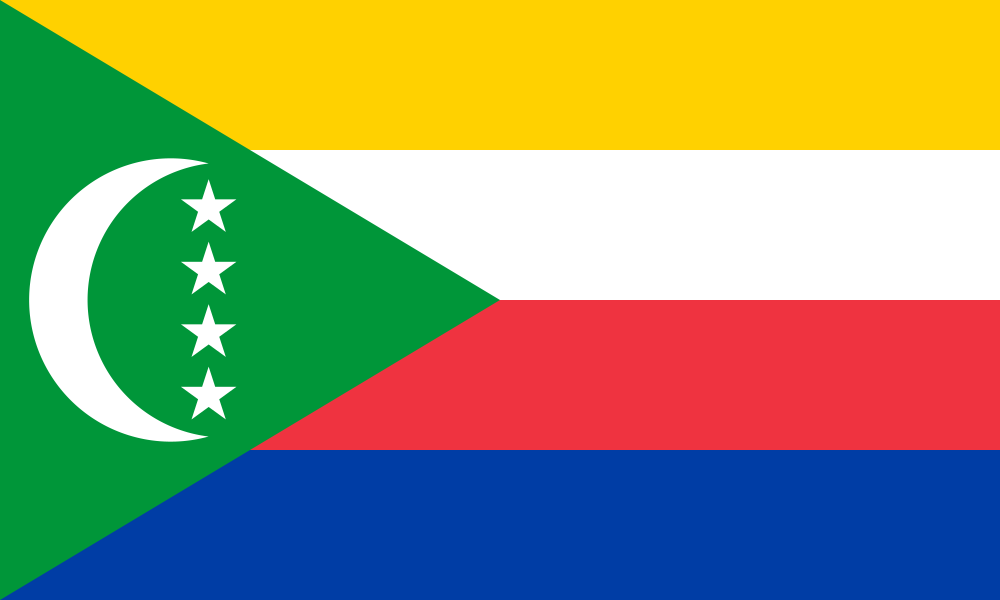
- ISO code
- KM
- Population
- 832,322
- Currency
- KMF
- Dial code
- +269
The Comoros Three Islands a Volcano and an Old Sultans Town
Most travellers land on Grande Comore, climb partway up Mount Karthala, visit the Moroni medina, and fly out. They miss the point. The Comoros is not one island with two satellites. It is three distinct sovereign worlds separated by water and temperament, and the full measure of the country requires seeing all of them.
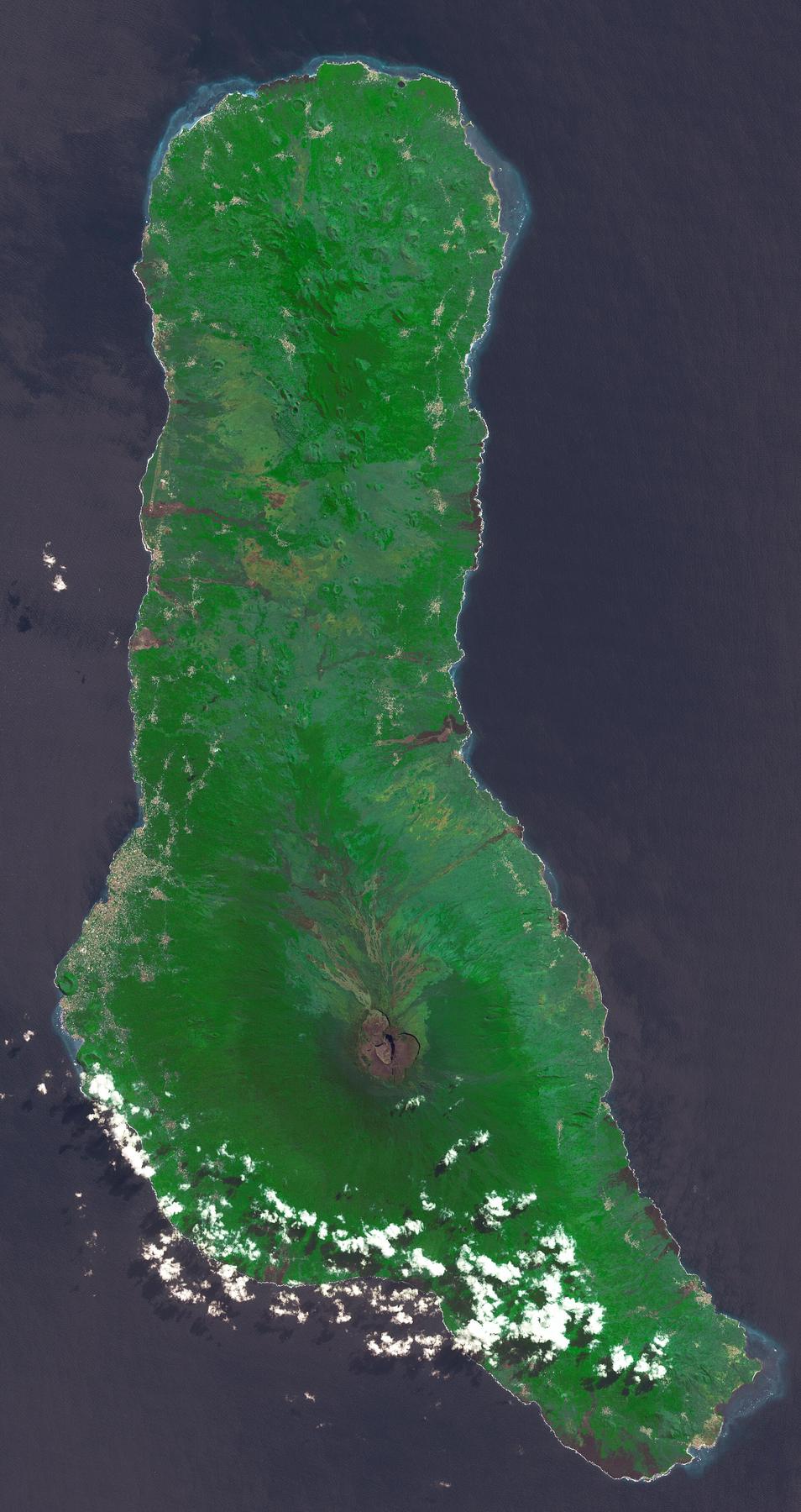
Ngazidja (Grande Comore) is volcanic gravity, black lava rock and the active summit caldera of a shield volcano. The second island is sultanate era alleyways around Mutsamudu's fortress citadel, steep green hillsides, and a pace that feels centuries older than the capital. Mohéli is a marine reserve where you sleep above turtle nesting beaches and wake to no roads. Travel between them by plane or ferry is the structural fact of the trip. Budget for that movement, plan for cyclone season from January to March when crossings cancel, and do not try to do the archipelago in less than nine days.
.jpg)
- Getting In Visa Type [2026]: E-visa or visa on arrival; EUR 30 for a 45 day tourist stay. Apply before departure.
- Entry Airports: Prince Said Ibrahim International Airport (HAH), Grande Comore; Ouani Airport (AJN), Anjouan; Mohéli Bandar Es Eslam Airport (NWA).
- Inter Island Travel: Domestic flights (Air Comores, AB Aviation) and passenger ferries connect the three islands. Ferry schedules are weather dependent.
- Local Currency: Comorian franc (KMF). Fixed peg: 1 EUR = 491.96775 KMF. Cash only outside major Moroni hotels. ATMs in Moroni and Mutsamudu often empty; no ATMs on Mohéli.
- Dry Season: May to October. Cyclone risk January to March.
- Safety Advisories [2026]: Consult UK FCDO and US Department of State travel advisories for Comoros before booking.
Ngazidja the Volcanic Island
Climbing Mount Karthala
Grande Comore is the landing point and the tallest island. Mount Karthala, an active shield volcano rising to 2,361 metres, dominates every view. Its summit caldera, 3 kilometres by 4 kilometres wide, is the single best reason to spend three days here. Skip the day hike. Book an overnight guided climb from Boboni or Mvouni. No scheduled public transport reaches the trailheads, so arrange a driver through your lodge in Moroni or hire a shared taxi to one of the trail villages and walk up from there. Carry 3 litres of water and a headlamp. The crater rim at sunrise is not a social media moment; it is the geological fact that built this country, and standing on it makes the rest of the islands legible.
Moroni In Half A Day
Moroni itself rewards a half day. The medina, the historic quarter of narrow streets and the Friday Mosque, is compact. Walk it between 07:00 and 10:00 before the heat and the market crush. The market near the port is where pickpockets work. Keep your wallet in a front pocket. Cards are useless outside the handful of hotels on the waterfront; bring enough Comorian francs from an ATM in Moroni on arrival.
What most visitors get wrong: they treat Grande Comore as a stopover. It is not. The island's interior of lava fields and remote villages requires a guide and the willingness to move slowly. One night in Moroni, one night near Mount Karthala, then move east.
Anjouan the Sultanate Island
Mutsamudu Old Town
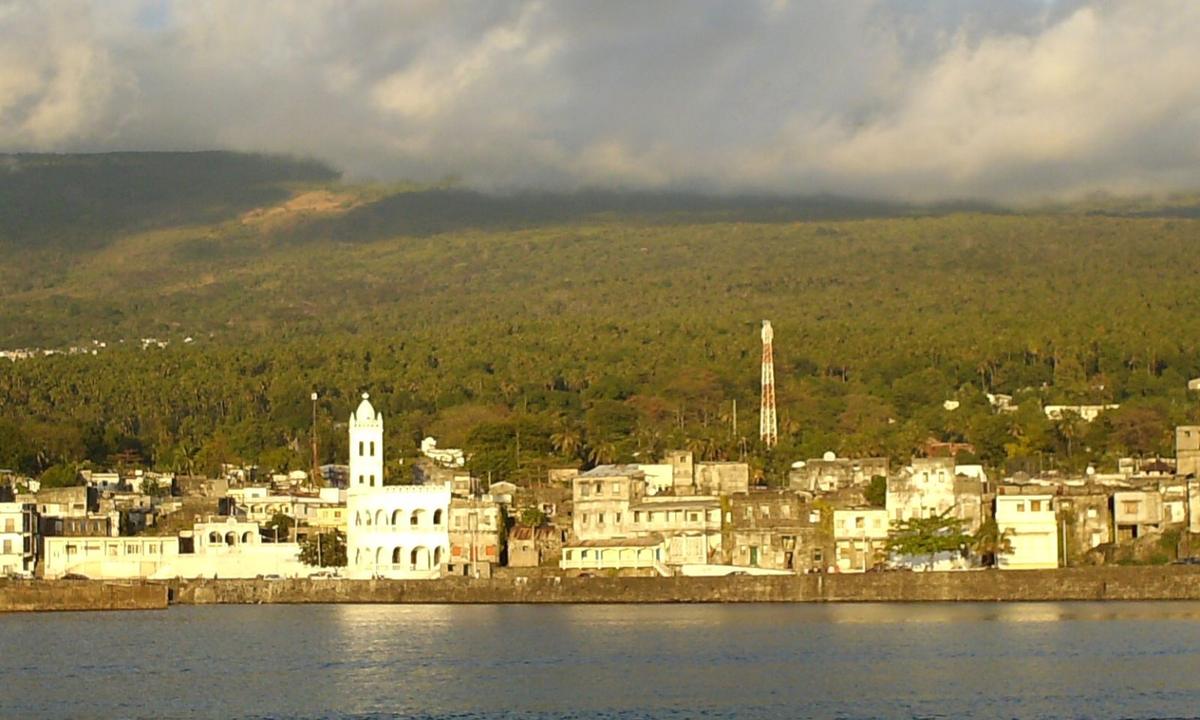
The second island feels like a different country. The main town, Mutsamudu, holds the 18th century fortress citadel of the old sultan's palace, the Grand Mosque of Mutsamudu (Mosquée du Vendredi), and a central square called Place de la République. The alleyways here are genuinely medieval. No cars penetrate the old town core. Navigate by landmarks: the pharmacy, the mosque minaret, the square. Zemidjan drivers, where they exist, will not know street names. You will get lost. That is the point. Allow two hours to wander, then pay the small entry fee at the palace.
The Scent Of Cloves
The island is steep, green, and wet. The rainy season November to April turns the hillsides a shade that photographs poorly but smells of damp earth and cloves. This island produces most of the country's ylang ylang, and the scent drifts through the streets in the evening. Stay one full day in Mutsamudu and one night in a guesthouse inland if you want to see the terraced farms. Ferries from Grande Comore arrive at the port in Mutsamudu; flights land at Ouani Airport 20 minutes east. Book the flight if you are in cyclone season. For a complete change of pace from these steep volcanic islands, Uganda offers vast lakes, sprawling markets, and mountain towns deep inland.
| Feature | Grande Comore | Anjouan | Mohéli |
|---|---|---|---|
| Main Draw | Mount Karthala summit caldera; Moroni medina | Mutsamudu old town and sultan's palace | Marine reserve; turtle beaches; no roads |
| Minimum Stay | 2 nights | 2 nights | 2 nights |
| Best For | Hikers; volcano watchers | History; sultanate architecture | Snorkelers; solitude; wildlife |
| ATM Access | Moroni only | Mutsamudu, often offline | None |
| Cyclone Risk | Medium (Jan-Mar) | Medium (Jan-Mar) | High (Jan-Mar); ferry cancellations |

Mohéli the Marine Island
The Marine Reserve
Mohéli is the smallest, quietest, and most fragile of the three. The Mohéli Marine Reserve hugs the southern coast and protects nesting sea turtles, humpback whales in season, and coral reefs that rival anything in the Indian Ocean for clarity. There are no ATMs on the island. Bring all your cash from Moroni or Mutsamudu. There is no scheduled public transport beyond shared taxis between the airport and the main town, Fomboni, and from there you hire a driver to reach the reserve lodges.
Book accommodation inside or adjacent to the reserve before you arrive. Two nights minimum. The day trip from Grande Comore is technically possible on a charter flight but ruins the point. The reason you come to Mohéli is the rhythm: wake before dawn, walk the beach for turtle tracks, snorkel the reef at mid morning, sleep in a hammock through the afternoon heat. The night sky here has no light competition; bring a headlamp with a red lens to preserve your night vision.
Getting There
Ferry service to Mohéli is unreliable in all seasons and cancels entirely January through March. Fly. Air Comores and AB Aviation both operate propeller aircraft from Moroni and the second island. Book at least a week ahead in dry season.
The Honest Caveat
The Comoros is not an easy trip. Inter island flights are small planes that cancel when the wind shifts. Ferries run on island time and skip days in rain. ATMs fail. English is rare outside tourist lodges. The food is simple grilled fish and rice. And yet the reason to come is the opposite of convenience: three islands, each a complete world, separated by nothing but a short flight and a big shift in mood. Book the extra night, take the earlier flight, bring cash. The archipelago rewards patience and punishes rushing.
Common Questions
How many days should I budget for all three islands?
Minimum nine. Two nights on Mohéli, two on Anjouan, three on Grande Comore, plus two transport days between islands. A week forces you to skip something. Use nine.
What is the best way to travel between the islands?
Domestic flights are the only reliable option. Air Comores and AB Aviation fly between all three airports. Ferries exist but cancel frequently, especially January to March. Fly if you have a fixed itinerary.
Which island should I skip if I only have a week?
Skip Mohéli if you are not a marine life enthusiast. Anjouan and Grande Comore offer more variety for general travellers. But you will miss the quietest and most beautiful part of the archipelago.
Is it safe to climb Mount Karthala alone?
No. Hire a guide in Boboni or Mvouni. The trail is unmarked in the upper section, the weather changes fast, and the volcano is active. A guide costs a negotiable fee in Comorian francs and includes route finding and basic safety.
Can I use credit cards on Mohéli?
No. Cards are rarely accepted outside major hotels in Moroni. Mohéli has no ATMs. Bring all cash in Comorian francs from Grande Comore or Anjouan before you fly over.
When is the worst time to visit?
January through March. Cyclone risk spikes, ferries cancel, and flights get delayed. The landscape is still beautiful, but the logistics become a gamble. Stick to dry season May to October.
Should I visit Ganvié or the Comoros?
Both are entirely different countries. The Comoros are an island nation in the Indian Ocean; Ganvié is a stilt village in Benin. Do not confuse them. If you meant the Comoros and Benin on one trip, do not combine them. Each needs its own week.
Read next
-
 Getting to Nauru, the Pacific State Where Air Schedules Define Your Stay
A logistics briefing on reaching Nauru by air — covering weekly flights from Brisbane and Honiara, visa-on-arrival requirements, and planning around fixed departure dates.
Getting to Nauru, the Pacific State Where Air Schedules Define Your Stay
A logistics briefing on reaching Nauru by air — covering weekly flights from Brisbane and Honiara, visa-on-arrival requirements, and planning around fixed departure dates.
-
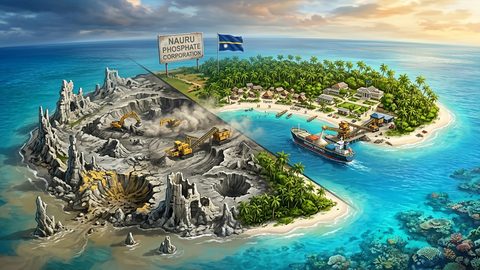 Nauru, the Pacific Republic That Phosphate Built and Nearly Erased
Nauru is one of the Pacific's most overlooked republics. A candid guide to topside, Buada Lagoon, colonial history, and how to actually get there.
Nauru, the Pacific Republic That Phosphate Built and Nearly Erased
Nauru is one of the Pacific's most overlooked republics. A candid guide to topside, Buada Lagoon, colonial history, and how to actually get there.
-
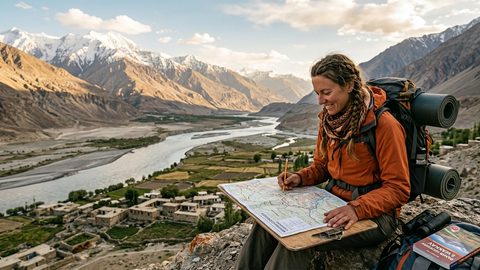 Planning Independent Travel in the Wakhan Corridor, Tajikistan
Independent travel in Tajikistan's Wakhan Corridor: GBAO permits, road conditions from Ishkashim, realistic travel windows, and honest logistics for serious overlanders.
Planning Independent Travel in the Wakhan Corridor, Tajikistan
Independent travel in Tajikistan's Wakhan Corridor: GBAO permits, road conditions from Ishkashim, realistic travel windows, and honest logistics for serious overlanders.