North to Mörön: Mongolia's Lake Khövsgöl, Darkhad Depression and Tsaatan Taiga
Trade the Gobi's camel treks for the deep north: Mörön, Lake Khövsgöl, and the Tsaatan reindeer herders of the Darkhad Depression.
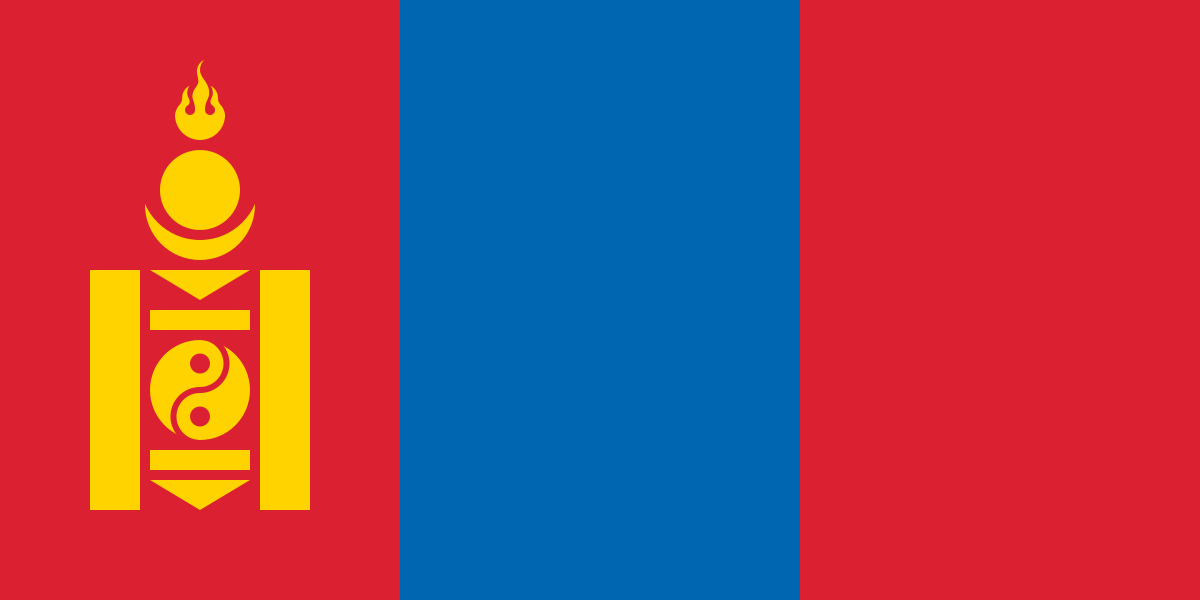
- Flag
-
- ISO code
- MN
- Population
- 3,170,208
- Currency
- MNT
- Dial code
- +976
A horse slips on wet granite, recovers, and keeps climbing through larch forest that smells of snowmelt and woodsmoke. You are six hours from the nearest track, heading toward a reindeer herd you cannot yet see. This is exactly why you came north instead of south. The Gobi Desert built Mongolia's tourism reputation, but its commercial circuit of camel rides and sand dunes leaves many travellers searching for something rougher. Mörön is that alternative. This is not a polished destination. Mörön is a gritty provincial capital where guesthouses run on generator power and the main street is a dirt corridor of Soviet-era concrete.
The payoff comes after you leave town. Lake Khövsgöl holds two percent of the world's fresh water, a cobalt slab set against the Siberian taiga. Beyond its shore, the Darkhad Depression opens into a vast grassland basin ringed by mountains. Past that basin, where roads stop altogether, the reindeer herders live in the East Taiga near the Russian border. Getting there requires physical effort. That difficulty is not a flaw in the experience. It is the reason the experience still exists.

- Tour Duration: Minimum 10 days for Mörön, Khövsgöl and Tsaatan; 14 days if combining with Orkhon Valley
- Best Season: Mid-June to early September for Khövsgöl and Tsaatan; July has peak rain that can block unpaved roads
- Entry to Tsaatan Camps: 4x4 from Mörön to Tsagaannuur (200 km, 6-8 hours), then horse or reindeer trek (2-4 days one way)
- Mörön Airport (MXV): 1 hour 30 minutes from Ulaanbaatar via MIAT or Aero Mongolia; book online or at UBN domestic terminal
- Lakeside Access: Khatgal village, 100 km from Mörön, 2-3 hours on unpaved road
- Cash Reality: Mörön has ATMs but they are unreliable. Khövsgöl ger camps and all Tsaatan visits are cash only. Bring enough tögrög from Ulaanbaatar.
The Geography of Difficulty: Mörön, Khövsgöl, and the Darkhad Depression
Getting to Mörön
Fly into Mörön from Ulaanbaatar. The flight takes 90 minutes on Aero Mongolia or MIAT and lands at MXV, the only commercial airport in the northern half of the country. Do not expect a terminal building that resembles an international hub. Baggage comes off a cart. The road from the airport into town is unpaved for the first several kilometres. Book your onward transport before you arrive. Public taxis exist but English is rare and negotiation takes time you do not have. Most travellers arrange a driver and 4x4 through a guesthouse or tour operator in the capital before departure.
The Shore of Lake Khövsgöl
From Mörön, drive northwest to Khatgal, the village at the southern tip of the lake. The road is 100 kilometres of dirt and corrugation, taking two to three hours. Do not attempt it in a sedan. July and August rains can turn sections into mud that swallows vehicles. Arrive at Khatgal and you find the lake stretched north, the water clear enough to drink. Ger camps line the shore. Budget 30,000 to 60,000 MNT per night for a basic camp with meals included. Cash only. No card machines exist here.
Crossing the Darkhad Depression
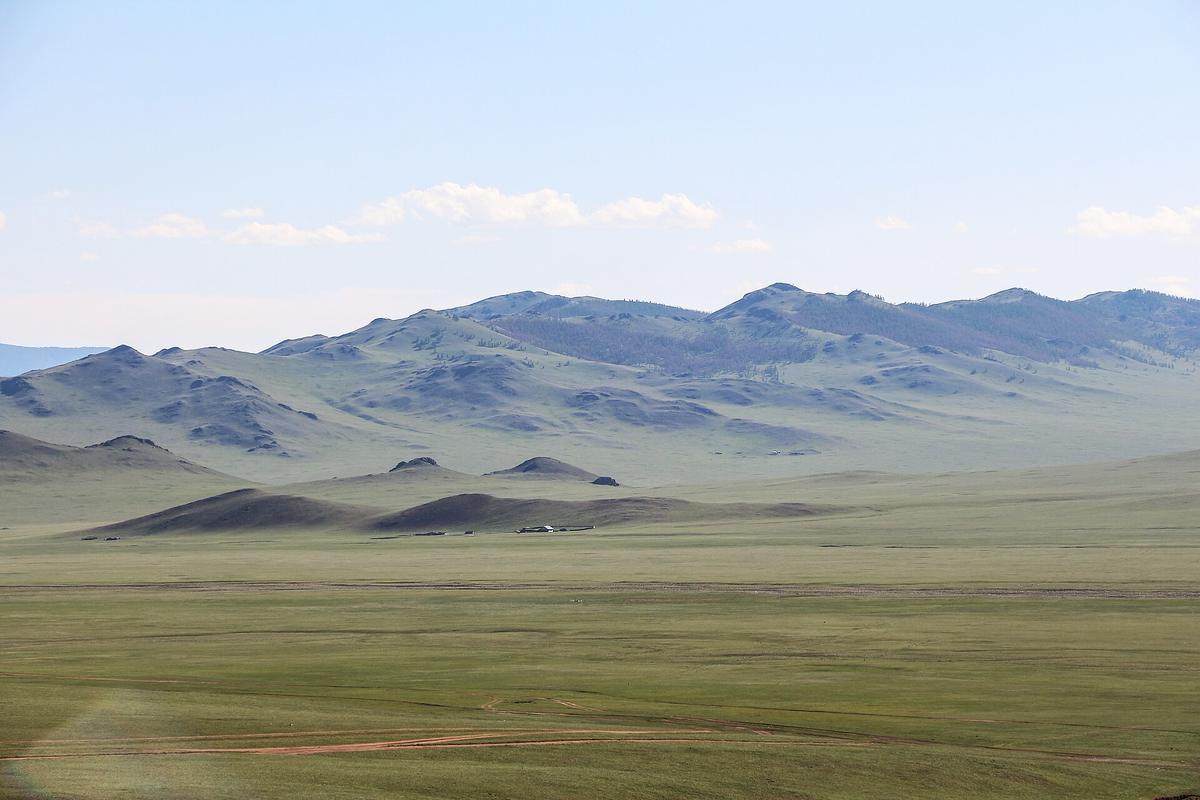
The Darkhad Depression lies northwest of the lake. This is a high-altitude grassland basin, home to the Darkhad ethnic group, who keep yaks and horses. The landscape opens into flat green plains ringed by the Khoridol Saridag mountains. Roads across the Depression are tracks through marsh and gravel. Drivers familiar with the terrain are essential. A wrong turn means hours of backtracking across featureless steppe. The Depression is the corridor you cross to reach Tsagaannuur, the last village before the taiga.
Reaching the Tsaatan: Horse and Reindeer in the East Taiga
From Tsagaannuur into the Taiga
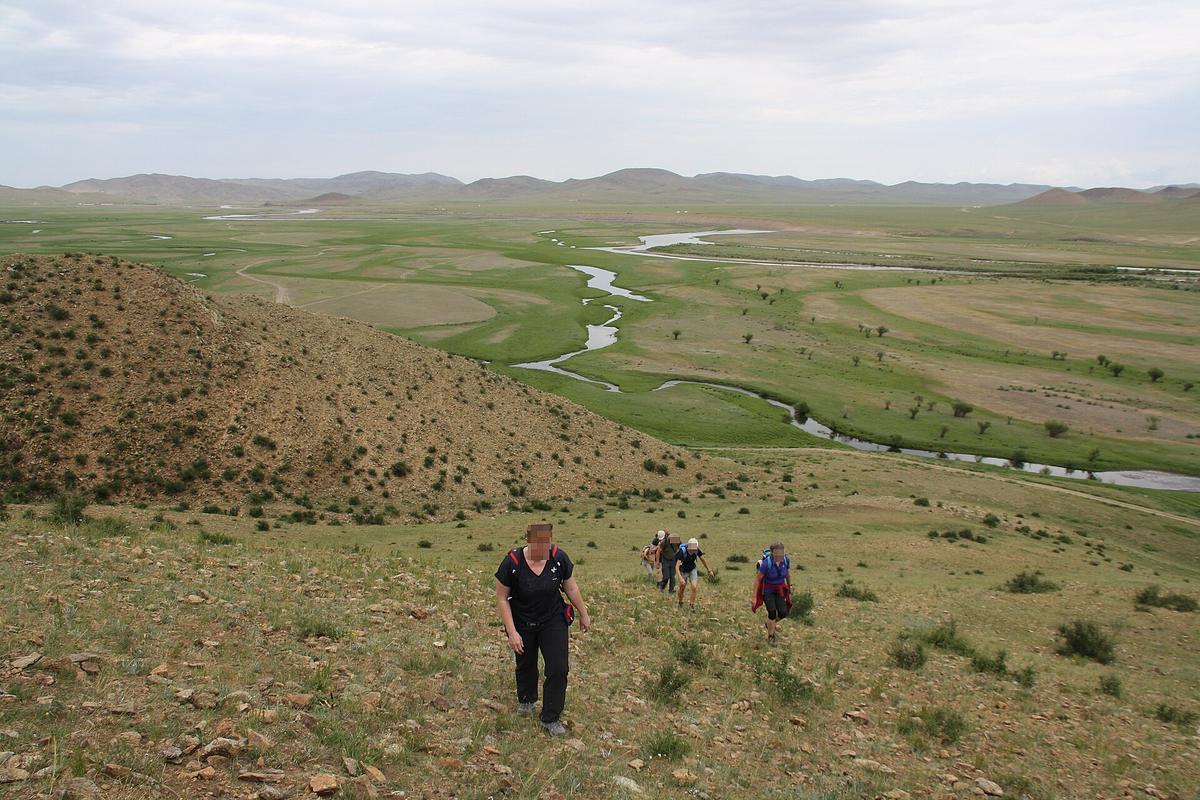
Tsagaannuur is a small settlement of wooden houses and a few supply stores. Roads stop here. Beyond this point, the terrain is taiga: dense larch forest, bogs, and river crossings with no bridges. The remaining distance to the herder camps requires a horse or reindeer. Plan for two to four days of riding each way. Hire a local guide in Tsagaannuur or through a Mörön-based operator. The guide you hire provides the horses, arranges permission from the community, and carries supplies. Do not attempt this without a guide. The taiga has no marked trails, no phone signal, and no rescue infrastructure.
Life in the Reindeer Camps
The herders number roughly 200 to 300 people. They migrate with their herds across the East Taiga, moving camp every few weeks. You cannot book a specific family in advance because their location changes. Your guide will know where the current camps sit. Stay two to three nights minimum. The experience is not a show. You sit in a tipi-style dwelling called an orts, drink milk tea fermented from reindeer milk, and watch the animals graze on lichen at dawn. Photography requires asking first. Some families accept payment for photos, others refuse. Bring small gifts: tea, sugar, batteries, thread. Cash only, in small denominations.
What to Pack and How to Prepare
Temperatures in the taiga drop below freezing even in July nights. Pack a sleeping bag rated to minus ten degrees Celsius, waterproof boots, and insect repellent for the mosquitoes that swarm in the damp larch forest. Leave behind any expectation of privacy. The herders live in close quarters and visitors share the space. This is the raw reality of the trip. It is worth the discomfort because there is no other way to see this culture. The Gobi offers nothing like it. Unlike the remote taiga of Mongolia, Syria holds its own raw reality in ancient cities and deserts shaped by a very different kind of endurance.
| Segment | Distance | Time | Transport | Notes |
|---|---|---|---|---|
| Mörön to Khatgal (Lake Khövsgöl) | 100 km | 2-3 hours | 4x4 vehicle | Unpaved road, muddy after rain |
| Khatgal to Tsagaannuur | 200 km | 6-8 hours | 4x4 vehicle | Across Darkhad Depression, no fuel stops |
| Tsagaannuur to Tsaatan camps | 200 km | 2-4 days | Horse or reindeer | No roads, guide mandatory, boggy terrain |
| Lake Khövsgöl cruise | Varies | Half to full day | Motorboat or kayak | Hire at Khatgal or ger camps |
| Return Mörön to Ulaanbaatar | Flight | 1 h 30 min | MIAT or Aero Mongolia | Book return before leaving UBN |

Common Mistakes and How to Avoid Them
The most common error is trying to squeeze this itinerary into a week. The minimum for Mörön, the lake and the herders is ten days, and that assumes no weather delays. Rain in July and August can close the Darkhad Depression tracks for days. Build two buffer days into your schedule. The second mistake is arriving in Mörön without cash. ATMs exist but they reject foreign cards frequently. Withdraw enough tögrög in the capital before your flight. A reasonable budget for ten days in the north, excluding flights, is 1.5 to 2 million MNT per person, covering transport, food, accommodation, guides and tips.
The third mistake is thinking you can arrange the visit to the herders from Mörön on the spot. You can, but it costs more and adds a day of negotiation. Book through an agent in Ulaanbaatar two to three months ahead in peak season. The fourth mistake is ignoring the Orkhon Valley if your flight schedule permits. The valley is not directly on the northern route, but if you fly overland from the capital to Mörön, you pass through Kharkhorin, the site of the ancient Mongol capital Karakorum. The drive from Ulaanbaatar to Kharkhorin is five to six hours on paved road. The Orkhon Valley is a UNESCO site with the Erdene Zuu Monastery and the Orkhon Waterfalls. Add two days to your trip if you include this. The road from Kharkhorin to Mörön continues another 360 kilometres, unpaved for much of the way, taking a full driving day.
Who the North Khövsgöl Trip Suits and Who Should Skip it
The north is for travellers who found the Gobi too packaged, who want to earn their reward through physical effort, and who do not mind sleeping in a tent or a ger for a week. It suits photographers who can work with low light and no electricity, anthropologists curious about semi-nomadic reindeer pastoralism, and return visitors to Mongolia who have seen the south and want the north. It is not for first-time visitors to the country, anyone with mobility restrictions, anyone who needs reliable Wi-Fi or ATMs, or people who expect hot showers daily. If your idea of a holiday is a beach resort with stable logistics, skip the entire province and stay in the capital.
The Gobi sold you the idea of Mongolia. Mörön, the lake and the reindeer herders give you the reality. The reality is cold, muddy, slow and spectacular.
Common Questions
Can I visit the Tsaatan without a tour company?
Technically yes, but practically no. You need a 4x4 driver to reach Tsagaannuur, a local guide to find the camps, horses, and permission from the herder community. A tour operator handles all of this. Trying to do it independently wastes days and risks getting lost in trackless taiga.
How much does a guide and horse rental cost for the Tsaatan trek?
Expect 100,000 to 150,000 MNT per day for a guide, plus 50,000 to 80,000 MNT per day for a horse. This includes your guide's horse. Negotiate in Tsagaannuur or through a Mörön operator. Prices rise in July and August.
Is it possible to visit Lake Khövsgöl without going to the Tsaatan?
Yes. Many travellers spend four to five days at the lake: kayaking, hiking the shoreline, or riding horses in the forest. This requires less planning and no guide beyond a driver to Khatgal. It is cheaper and easier, but the raw payoff is lower.
What happens if it rains heavily during my trip?
River crossings on the Darkhad Depression become impassable. Your driver may insist on waiting 24 to 48 hours for water levels to drop. Carry extra food and a satellite phone for emergencies. Adjust your itinerary by visiting the lake first and the taiga later.
Read next
-
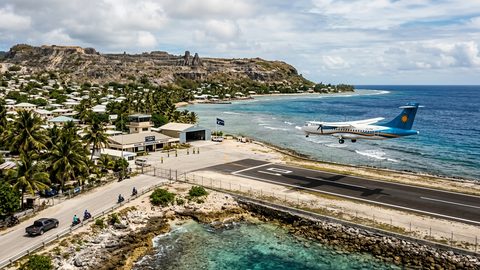 Getting to Nauru, the Pacific State Where Air Schedules Define Your Stay
A logistics briefing on reaching Nauru by air — covering weekly flights from Brisbane and Honiara, visa-on-arrival requirements, and planning around fixed departure dates.
Getting to Nauru, the Pacific State Where Air Schedules Define Your Stay
A logistics briefing on reaching Nauru by air — covering weekly flights from Brisbane and Honiara, visa-on-arrival requirements, and planning around fixed departure dates.
-
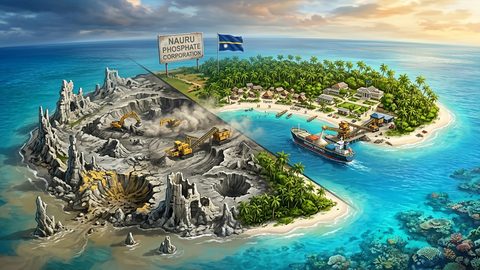 Nauru, the Pacific Republic That Phosphate Built and Nearly Erased
Nauru is one of the Pacific's most overlooked republics. A candid guide to topside, Buada Lagoon, colonial history, and how to actually get there.
Nauru, the Pacific Republic That Phosphate Built and Nearly Erased
Nauru is one of the Pacific's most overlooked republics. A candid guide to topside, Buada Lagoon, colonial history, and how to actually get there.
-
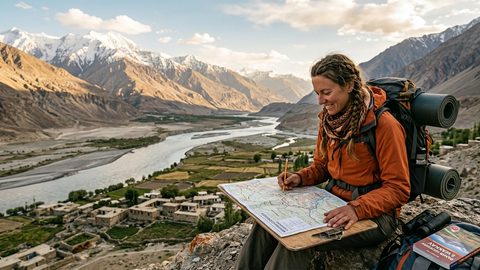 Planning Independent Travel in the Wakhan Corridor, Tajikistan
Independent travel in Tajikistan's Wakhan Corridor: GBAO permits, road conditions from Ishkashim, realistic travel windows, and honest logistics for serious overlanders.
Planning Independent Travel in the Wakhan Corridor, Tajikistan
Independent travel in Tajikistan's Wakhan Corridor: GBAO permits, road conditions from Ishkashim, realistic travel windows, and honest logistics for serious overlanders.