A Journey Through Burundi’s Cultural Heart and Lake Tanganyika
Burundi extends beyond Bujumbura to Gitega's drum sanctuaries and the hippo-dotted Rusizi river mouth on Lake Tanganyika.
- Flag
-

- ISO code
- BI
- Population
- 11,175,378
- Currency
- BIF
- Dial code
- +257
A Journey Through Burundi’s Cultural Heart and Lake Tanganyika
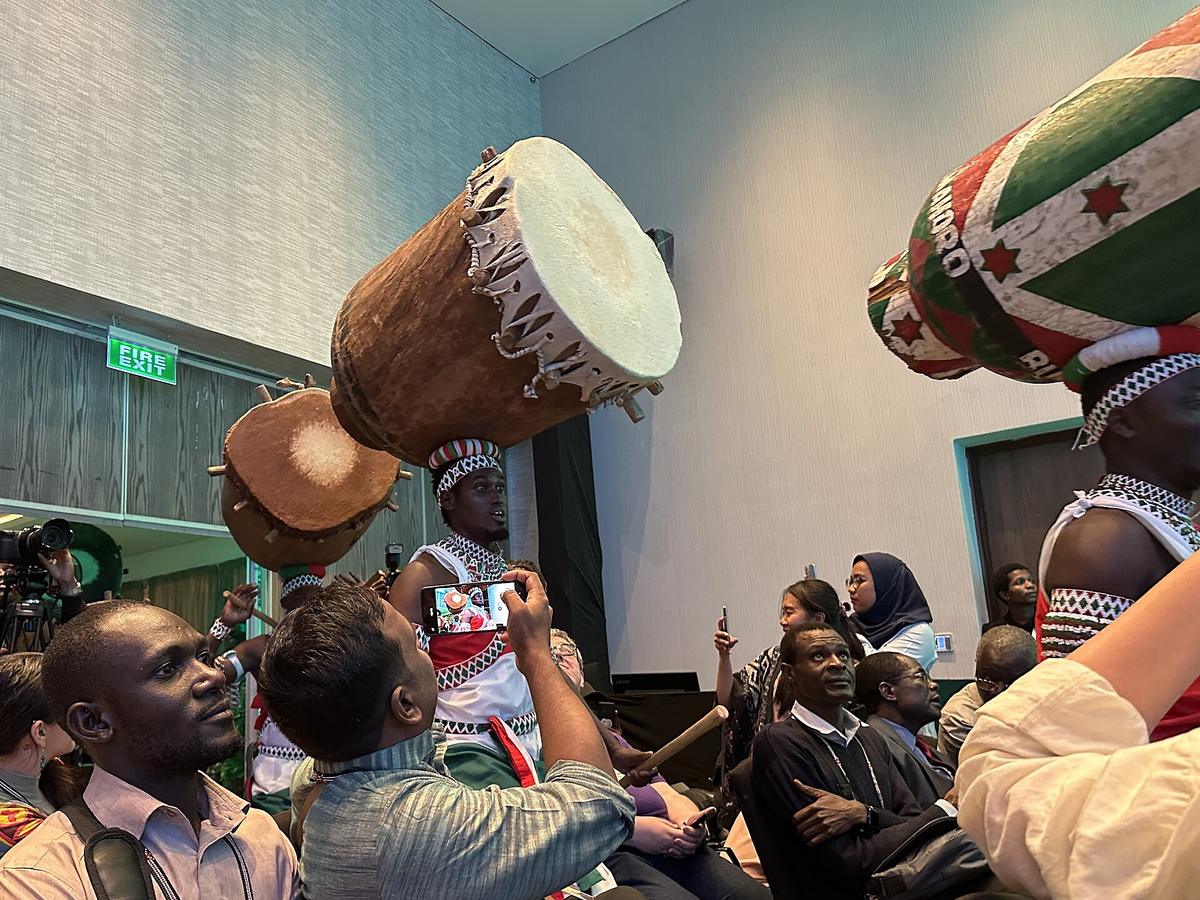
The sun hangs low over the red earth path at Gishora, and a line of drummers in white and green robes lifts their arms in unison. The first beat of the Amaraba drum hits your chest before your ears register the sound. This is not a performance staged for a tour bus schedule. It is a rehearsal for a ceremony that has defined this hilltop sanctuary for centuries, and you are invited to stand in the shade of an acacia and watch them work.
- Capital Status: Gitega has been the political capital since 2019, while Bujumbura remains the economic capital.
- UNESCO Site: The royal drummers of Gishora are recognised as UNESCO Intangible Cultural Heritage.
- Lake Shore: Lake Tanganyika forms the western border of Burundi, with beaches and Rusizi National Park near Bujumbura.
- National Museum: The Gitega National Museum houses artifacts from the Kingdom of Dahomey and is open to visitors daily.
- Botanical Garden: A botanical garden sits adjacent to the national museum in Gitega, worth a 30-minute walk.
- Rusizi Park: Rusizi National Park sits on the Tanganyika shore near Bujumbura, protecting the Rusizi River delta.
- Dry Season: The best travel window runs November through March, with the harmattan wind period December to February.
- Safety Note: Check the UK FCDO, US State Department, or Canada GAC advisories before travel, last checked August 2026. Northern border areas adjacent to Rwanda and the Democratic Republic of the Congo carry specific warnings.
Why Gitega Matters Now
In 2019 the government moved the political capital from Bujumbura to Gitega, a city of hills and colonial-era buildings 100 kilometres east. The shift did two things for a traveller. It returned the seat of power to the country's geographic and cultural centre, and it put the Gitega National Museum and the drummers of Gishora on a standard itinerary.
Arrive at the museum in the morning. The collection spans pre-colonial regalia, ironwork, and agricultural tools from the former Kingdom of Burundi. Allow 90 minutes. The building is a low, whitewashed structure with shaded verandas. Across the road the botanical garden offers a quieter version of the same landscape: native trees labelled in French and Kirundi, paths that loop past a small pond, and almost no other visitors. Walk it in 30 minutes then head east toward the drums.
The Royal Drummers at Gishora
Gishora is a hilltop site 10 kilometres from central Gitega. The drum sanctuary holds seven sacred drums. The largest, the Amaraba, is carved from a single tree trunk and played only at royal ceremonies. You do not need a guide arranged in advance. Arrive at the site and ask for the caretaker, who will find a group of drummers if they are not already practising. The performance lasts roughly 40 minutes. Budget a group donation, not a ticket price, and hand it directly to the lead drummer. The drummers wear traditional robes and move in a choreographed circle, striking the hides with curved sticks. The sound carries across the valley. Do not film during the opening invocation. Wait for the caretaker to signal that photography is permitted.
Gishora operates without a fixed schedule. The drummers rehearse most mornings and late afternoons, but ceremonies, funerals, and harvests pull them away. If you arrive and find the site empty, return the next day. The detour is short enough to try twice.
From the Lake to the Hills
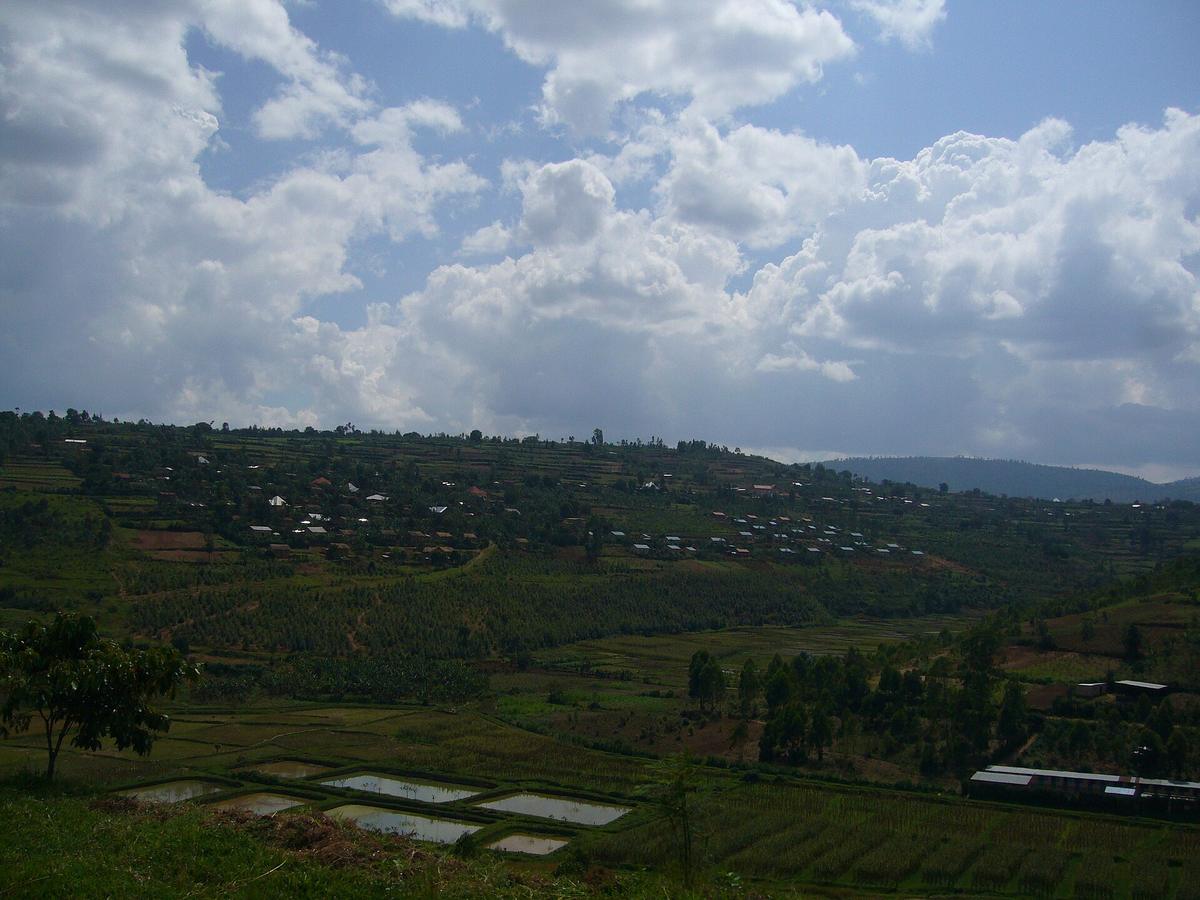
The drive from Bujumbura to Gitega takes two and a half hours on a sealed road that climbs steadily. You leave the humidity of Lake Tanganyika behind and rise into tea plantations and eucalyptus groves. The contrast is the reason you make the trip at all. On the lakeside, life is slow, wet, and horizontal. The fishing communities along the shore launch their wooden pirogues at dawn. Restaurants on the lakefront serve grilled tilapia with pimentade sauce from midday onward. Rusizi National Park sits at the northern end of the lake, where the Rusizi River meets the water in a delta of papyrus and crocodile habitat. Walk the park in two hours. The real draw is the lake itself. Swim at the public beach near the Saga Beach complex. The water is clean and warm, and the background view of the Congo mountains across the water is uninterrupted.
Inland, in Gitega and the surrounding hills, the landscape compresses. The roads narrow. The altitude cools the air by several degrees. The cultural rhythm shifts from commerce to ritual. The drummers of Gishora are the headline, but the Gitega market on a Saturday morning runs a close second. Vendors sell woven baskets, dried cassava, and second-hand clothes from piles on tarpaulins. Speak French or Kirundi here. English is rare outside the hotels and the museum.
What You Skip and Why
If you have only three days in Burundi, skip the interior and stay on the lake. With five days or more, book two nights in Gitega and two nights in Bujumbura. Use the middle day for the road transfer and the Rusizi River delta. The lake is the reason most travellers come. The hills are the reason they remember the trip. For a journey into the Sahel, Burundi’s lake shores offer a calm prelude before the stark contrast of Chad’s desert towns and the Ennedi beyond them.
Lake Tanganyika Shoreline Beyond Bujumbura
South of the city, the lake road continues through villages where women wash clothes on flat rocks and children kick footballs on the sand. The shore is not developed for tourism. There are no beach resorts, no jet skis. No cocktail bars. What exists is a string of informal guesthouses and camp sites. Most accept cash only and offer cold showers. The best of them is a collection of bamboo bungalows at Karera, 25 kilometres south of Bujumbura. Arrive before 15:00 to claim a room. The owner cooks fish over charcoal and serves it with rice and a scoop of hot pimentade. Eat outside. The sunset over the lake is the main event.
A day trip to the Rusizi River delta takes half a day. Hire a boat from the small dock near the park entrance. Negotiate the price before boarding. Expect hippos, crocodiles, and a dozen species of heron. The best light is between 07:00 and 09:00. Return by 11:00 before the heat builds.
Do not attempt to combine Gitega and the southern lake shore in the same day. The road from Gitega back to Bujumbura is fine, but the onward journey to the southern villages adds another hour of rough track. Split the difference. Use Bujumbura as your base for the lake. Spend two nights in Gitega for the cultural sites. Accept that you will not see everything. Burundi rewards the traveller who stays put.


Practicalities for the Gitega to Lake Tanganyika Route
Hire a private car and driver in Bujumbura for the Gitega trip. The hotel concierge or a local travel agency can arrange this for a full day, including fuel. A shared taxi-brousse costs less than a quarter of that but runs on its own schedule and stops frequently. For the drummers at Gishora, the private car is worth the premium. You control the timing and can return the next day if the site is empty.
Money and Visas
Carry cash in small denominations. ATMs exist in Bujumbura and Gitega but are unreliable with foreign cards. The West African CFA franc is fixed to the euro at EUR 1 to 655.957. E-visa fees vary by nationality and stay duration, published by the government e-visa portal. Visa on arrival is available at Bujumbura International Airport for some nationalities. Confirm eligibility before departure.
When to Go
The dry season from November through March is the only sensible window for this route. Rain in the hills turns the road to Gishora into a mud track that an ordinary sedan cannot climb. The harmattan period of December to February offers the clearest skies and the most reliable drumming rehearsals. Avoid the rainy months. April through July and September through October demand a 4x4 and a high tolerance for delays.
Common Questions
How do I get from Bujumbura to Gitega?
By private car or shared taxi-brousse. The drive takes two and a half hours on a sealed road. A private car costs a full-day rate including fuel. The taxi-brousse is cheaper but slower and stops in every town.
Can I see the royal drummers without a guide?
Yes. Go directly to the Gishora site 10 kilometres from central Gitega. Find the caretaker and ask for a performance. Donate a group contribution directly to the lead drummer. The drummers rehearse most mornings and late afternoons but may be absent for ceremonies.
How long should I spend at the Gitega National Museum?
90 minutes. The collection includes pre-colonial regalia, ironwork, and tools from the Kingdom of Burundi. The adjacent botanical garden takes another 30 minutes.
Is Lake Tanganyika safe for swimming?
Yes, at the public beach near the Saga Beach complex in Bujumbura. The water is clean and warm. Avoid swimming near river mouths where crocodiles and hippos are present, especially in the Rusizi River delta.
Do I need a visa for Burundi?
Most nationalities require a visa. An e-visa is available through the official government portal. Visa on arrival is available at Bujumbura International Airport for some nationalities. Check eligibility before travel.
What is the best time of year for this trip?
The dry season from November through March. The harmattan period of December to February offers the clearest skies and most reliable drumming rehearsals. Avoid April through July and September through October when rain turns the road to Gishora to mud.
Can I combine Gitega and the southern lake shore in one day?
No. The road from Gitega to Bujumbura is fine, but continuing to the southern lake villages adds another hour of rough track. Use Bujumbura as your base for the lake and spend two nights in Gitega for the cultural sites.
Read next
-
 Getting to Nauru, the Pacific State Where Air Schedules Define Your Stay
A logistics briefing on reaching Nauru by air — covering weekly flights from Brisbane and Honiara, visa-on-arrival requirements, and planning around fixed departure dates.
Getting to Nauru, the Pacific State Where Air Schedules Define Your Stay
A logistics briefing on reaching Nauru by air — covering weekly flights from Brisbane and Honiara, visa-on-arrival requirements, and planning around fixed departure dates.
-
 Nauru, the Pacific Republic That Phosphate Built and Nearly Erased
Nauru is one of the Pacific's most overlooked republics. A candid guide to topside, Buada Lagoon, colonial history, and how to actually get there.
Nauru, the Pacific Republic That Phosphate Built and Nearly Erased
Nauru is one of the Pacific's most overlooked republics. A candid guide to topside, Buada Lagoon, colonial history, and how to actually get there.
-
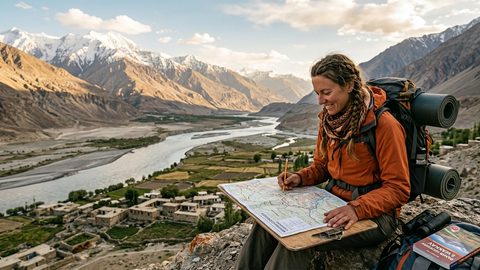 Planning Independent Travel in the Wakhan Corridor, Tajikistan
Independent travel in Tajikistan's Wakhan Corridor: GBAO permits, road conditions from Ishkashim, realistic travel windows, and honest logistics for serious overlanders.
Planning Independent Travel in the Wakhan Corridor, Tajikistan
Independent travel in Tajikistan's Wakhan Corridor: GBAO permits, road conditions from Ishkashim, realistic travel windows, and honest logistics for serious overlanders.