Portugal Beyond the Coast: Inland Routes and Border Fortresses
A guide to Portugal's interior: the granite north, the fortified border towns, and the wide Alentejo plains far from the coastal crowds.
- Flag
-

- ISO code
- PT
- Population
- 10,281,762
- Currency
- EUR
- Dial code
- +351
Portugal Beyond the Coast: Inland Routes and Border Fortresses
The coast has your name in a reservation book and your beach towel already marked. That is the problem. The Algarve in August is a queue for parking and a shared patch of sand. Lisbon is a series of steep streets filled with other people having the same thought. So what do you do when Portugal itself feels crowded? You turn inland. You head for the granite villages of the north, the fortress towns hammered into the Spanish border, the cork oak plains of the Alentejo where the horizon has no building on it. Inland Portugal is for the traveller who wants a slower, emptier, more austere country. The one where the main event is a hill town at dusk and a glass of wine that cost two euros.
What you find in inland Portugal is a country that stopped performing for visitors. The Minho interior hits 28 to 30 °C in July, hotter than the coastal 24 to 26 °C, and the January low drops to 2 to 4 °C. The Douro Valley bakes at 32 to 35 °C in July. The Alentejo plain reaches 33 to 36 °C in July and 34 to 37 °C in August, with recorded extremes of 40 to 45 °C. This is not a climate for casual strolling at midday. It is a climate for early mornings, long lunches in the shade, and evening walks when the stone walls radiate the day's heat. Pack for it. If you chase August sun, the inland delivers more of it than any beach.
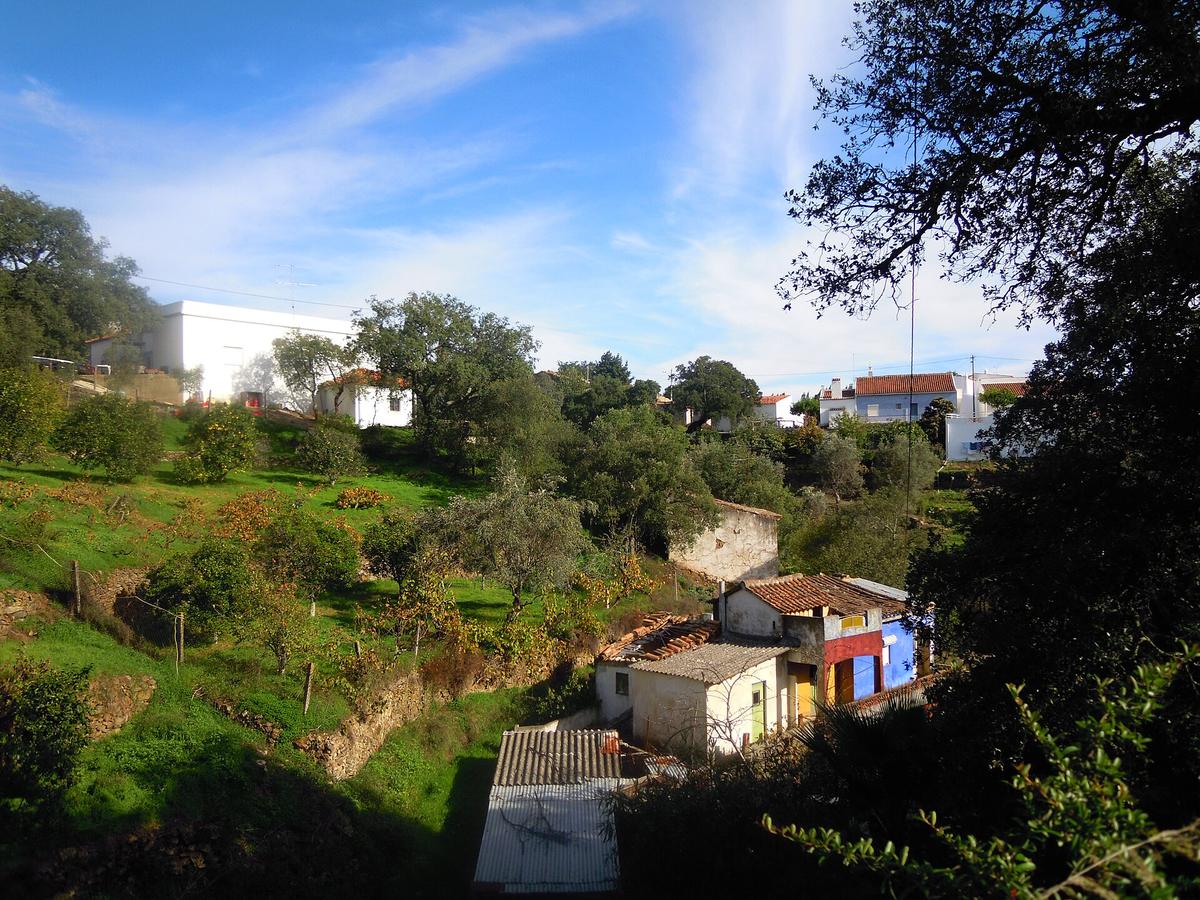

- Why Go Inland: Granite villages in the north, fortified border towns, cork oak plains in the Alentejo. Fewer tourists, lower prices, deeper culture.
- Peak Season for Interior Travel: April to June and September to October. Milder temperatures, clearer light, and no school holiday crowds.
- Avoid August If You Can: Interior maximum temperatures reach 40 to 45 °C in the Alentejo and Douro Valley. Accommodation is cheaper than the coast but still tight on weekends.
- Minimum Days for the Interior: Five to seven days. The distances are short in kilometres but long on winding roads and stops you will want to make.
- Getting Around: A rental car is the only practical option. Motorways require electronic tolling. The Via Verde visitor prepaid toll card is available at CTT post offices for a €10 to €40 load. Rail access is limited: the Douro line ends at Pocinho, the Beira Alta line from Pampilhosa to Vilar Formoso still runs, and the Alentejo line from Barreiro to Funcheira connects to Beja but not Moura.
- What It Costs in August 2026: Mid-range double room: €70 to €110 on the Alentejo interior, €65 to €100 in Serra da Estrela, €100 to €160 in the Douro Valley. Prato do dia in interior towns: €8 to €12. Glass of house wine: €1.50 to €2.50. Douro wine tasting at a quinta: €10 to €25 per person.
The Granite North: Minho Interior and Trás Os Montes
Leave the coastal Minho at Valença, where the train line from Porto ends, and the character of the landscape changes inside twenty minutes. The Minho interior is not the green, rainy place of the coast. Rain falls mostly from October to March, and July is dry and hot. The villages of Peneda Gerês National Park and the remote plateau of Castro Laboreiro are built in granite, roofed in slate, and quiet in a way that forces you to lower your voice. The road from Ponte de Lima to Lindoso passes through terraced fields and schist hamlets where the only sound is a dog barking from a walled enclosure. Do not drive these roads at night. The curves are tight and the signage is sporadic.
Trás os Montes is more extreme still. Bragança and Chaves sit close to the Spanish border, separated by the A24 motorway that charges electronic toll. The town of Miranda do Douro, just south of the Douro gorge, speaks a dialect of its own. The signature dish here is posta à mirandesa, a thick grilled veal steak from the Mirandesa cattle breed, served with rice and chips. Budget for it: a steak for two runs €30 to €40 with wine, but it is the meal you will remember from the trip.
The Douro Valley Without the Cruise Ships
The Douro Valley in summer is not the Douro Valley you see on postcards of riverboats. Those boats run from Porto to Pinhão and back, and they deposit hundreds of passengers into the same few wine lodges at noon. Skip Pinhão in the middle of the day. Instead, drive the road from Peso da Régua to Vila Real, a road that traces the river's curves at a height that gives you the terraced vineyards as they were meant to be seen. Stop at a smaller quinta without a tour bus in the car park. A basic tasting costs €10 to €25 per person. Ask for a tawny Port older than ten years. That is where the value is.
July in the Douro Valley averages 32 to 35 °C. January lows drop to 3 to 5 °C. August can hit 40 to 45 °C. Walk a vineyard before 10:00. After that, you need shade and a cold vinho verde.
Border Fortresses and the Alentejo Plains
The Spanish border from Valença in the north to Elvas in the Alentejo is studded with fortress towns that spent centuries being attacked, besieged, and rebuilt. These are not decorative market towns. Marvão sits on a granite outcrop high above the plain and has walls that run straight off the cliff. You enter through the Portas de Ródão and the road up is narrow enough that you will have to reverse for a car coming down. The castle museum charges €3. The view from the keep into Spain is worth that five times over. Go on a weekday in the late afternoon. The tour buses leave by 16:30.
Elvas, near the Spanish border, is larger and more defensive. Its star shaped fort and the Amoreira Aqueduct, seven kilometres of stone arches, are UNESCO classified. The municipal museum costs €3. The town is worth an overnight stop, not a day trip. The August 2026 temperature here will match the Alentejo peak of 34 to 37 °C, and the plain around it offers no natural shade. Stay inside between 13:00 and 17:00. That is when you eat a late lunch of migas com carne de porco and drink a glass of Alentejo red from the Reguengos sub region. A three course dinner in a mid range restaurant costs €18 to €28. A glass of house wine is €1.50 to €2.50.
The Cork Oak Plains of the Alentejo Interior
The Alentejo interior is not empty in the way a desert is empty. It is empty in the way a landscape that has been farmed for a thousand years at low density is empty. Cork oak trees stand at regular intervals, their bark peeled in cycles of nine years. The undergrowth holds sheep and the black Iberian pigs that become porco preto. The roads are straight and the towns are small. Évora is the exception: a walled city with a Roman temple and a cathedral, and it is busy on weekends. The rail line from Casa Branca to Évora is open, but the branch onward to Estremoz is closed. Drive. Arrive in Évora before 10:00 and park at the free lot east of the Porta de Moura. Walk the rest.
If you want the real quiet, skip Évora entirely and head for Portalegre, Marvão, or Castelo de Vide. These towns sit in the northern Alentejo near the border with Beira Alta. Portalegre opens onto the São Mamede range, a protected area of cork forest and granite outcrops that rarely sees a foreign car. The Museu da Tapeçaria in Portalegre documents the town's now defunct tapestry factory and costs €3. Hotel rates in the Alentejo interior in August 2026 run €70 to €110 for a mid range double room. That is €30 to €50 less than the Minho coast. For a completely different take on inland borderlands, Switzerland’s border cities and the valleys behind them trade Iberian heat and cork plains for Alpine lakes and precise, multilingual calm.
| Region | Average July High | Average August High | Dry Season | Mid-Range Double Room (August) |
|---|---|---|---|---|
| Minho Interior | 28–30 °C | 28–30 °C | June–Sept | €90–€140 |
| Douro Valley | 32–35 °C | 32–35 °C | June–Sept | €100–€160 |
| Beira Alta | 28–31 °C | 28–31 °C | June–Sept | €65–€100 |
| Alentejo Interior | 33–36 °C | 34–37 °C | June–Aug | €70–€110 |
| Serra da Estrela Summit | 18–20 °C | 18–20 °C | June–Sept | €65–€100 |
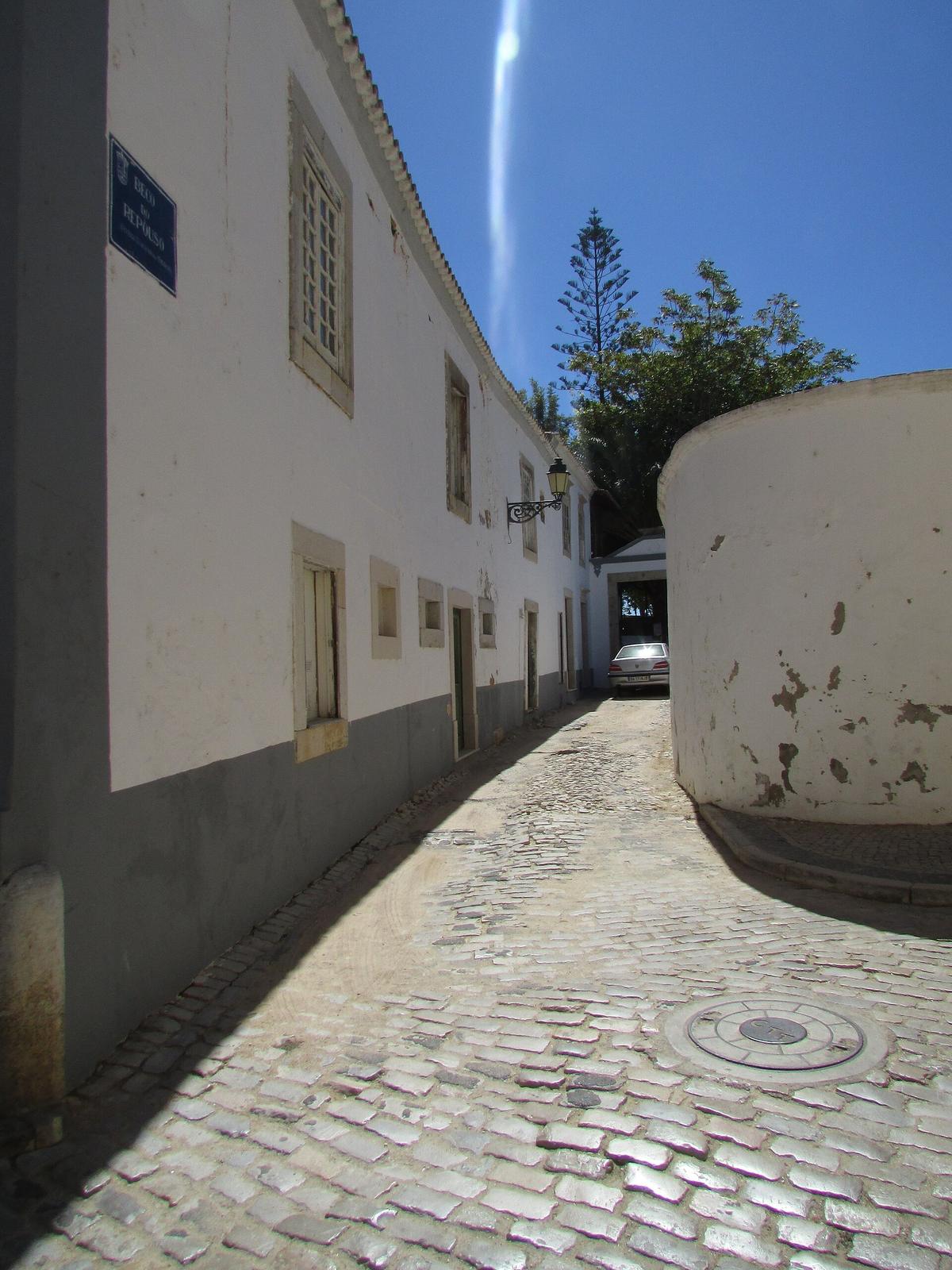

The Beira Alta Mountains and Serra Da Estrela
No rail line reaches Serra da Estrela. The nearest stations are Covilhã and Guarda, both served by the Beira Baixa line from Entroncamento. From Covilhã you drive up to the summit, a road that rises 1,000 metres in fifteen kilometres. That is a serious drive. Snow falls from December to March and the summit area averages 3 to 0 °C in January. In July the summit peaks at 18 to 20 °C, which makes it the only place in Portugal where August is not too hot to walk in the middle of the day. Bring a jacket even in summer.
The town of Manteigas sits in the Zêzere glacial valley below the highest point. It is the base for hiking the trails that cross the plateau. The cheese here is queijo Serra da Estrela, a thistle rennet sheep cheese with a protected designation of origin. Buy it from a producer in Manteigas, not from a supermarket in Guarda. The price is the same, €12 to €16 per kilo, and the flavour is sharper. Eat it with a glass of regional red from the Beira Alta DOC, which you can get for €1.50 at a local tasca.
Guarda is the highest city in Portugal at 1,056 metres. It has a cathedral, a medieval core, and a smoking sausage called chouriço de carne da Guarda that is worth seeking out. The Beira Alta rail line from Pampilhosa to Vilar Formoso runs through Guarda, but international service to Spain has been suspended since March 2020. Drive north from Guarda towards Almeida, a border fortress town with a twelve pointed star fort. The museum costs €3 and the town is nearly empty on weekday afternoons.
A Honest Caveat About the Interior
The interior of Portugal will disappoint you if you need a new restaurant every night, a bar that stays open past midnight, or a beach within walking distance. Its appeal is the opposite of convenience. The roads are slow, the towns are quiet, and the heat in July and August is severe enough to dictate your schedule. You will spend hours driving between places that look similar on a map but feel entirely different on arrival. That is the point. The traveller who skips the coast for the interior trades polished infrastructure for depth. The trade is worth making, but you should know the terms before you book.
Common Questions
Is it worth going inland if I only have three days in Portugal?
No. Three days is barely enough for Lisbon and a day trip to Sintra. The interior requires a minimum of five to seven days. The distances are short, but the roads are winding and the stops are worth taking seriously. Rushing means you spend the afternoon in the car instead of at a vineyard or fortress.
What is the cheapest way to see the interior?
Rent a car with a manual transmission and avoid motorway tolls by using national roads. The Via Verde prepaid toll card costs €10 to €40 and is sold at CTT post offices. Diesel in August 2026 costs €1.55 to €1.68 per litre. A mid range double room in the Alentejo interior costs €70 to €110. A prato do dia in an interior town costs €8 to €12.
When should I absolutely avoid the interior?
August if you cannot handle heat. The Alentejo and Douro Valley can hit 40 to 45 °C. The coast is only marginally cooler but has the Atlantic breeze. Also avoid the interior on national holidays in Portugal, when city dwellers drive inland for weekend houses and the small roads fill up.
Can I use trains to get around the interior?
Partially. The Douro line ends at Pocinho. The Beira Alta line runs from Pampilhosa to Vilar Formoso via Guarda. The Alentejo line goes from Barreiro to Funcheira and branches to Beja. But none of these lines connect the interior towns to each other efficiently. You need a car for Marvão, Castelo de Vide, Miranda do Douro, and most of the fortress border. No rail line reaches Serra da Estrela.
Are the fortress towns worth a detour from the coast?
Yes, with a condition. If you are driving from Porto to the Algarve and you take the interior route via Marvão and Elvas, the detour adds three hours to the drive but replaces a day of motorway with a day of genuine history. If you are based in Lisbon, Elvas and Évora are reachable in a day. Marvão is a full day round trip from the capital.
What should I eat in the interior that I cannot find on the coast?
Chanfana, the goat stewed in red wine that is the signature of Beira Alta. Posta à mirandesa, the grilled veal steak from the Mirandesa cattle. Queijo Serra da Estrela, the thistle rennet sheep cheese. Açorda alentejana, the bread soup with coriander and a poached egg. And porco preto in the Alentejo, which is the acorn fed Iberian black pig you know from Spanish jamón but made into migas.
Is the interior safe for a solo traveller?
Yes. Inland Portugal has very low crime rates. The main risk is road safety: narrow mountain roads without guardrails, livestock on open roads in the Alentejo, and the August heat that can cause driver fatigue. Carry water in the car. A single woman travelling alone will find the interior towns polite and unobtrusive, but English is less common than on the coast. A few phrases of Portuguese go a long way.
Read next
-
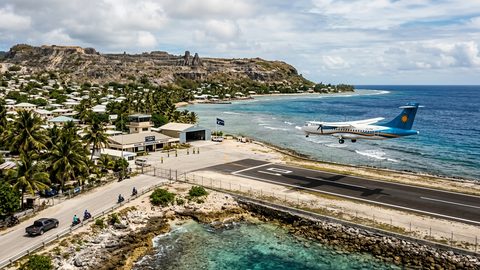 Getting to Nauru, the Pacific State Where Air Schedules Define Your Stay
A logistics briefing on reaching Nauru by air — covering weekly flights from Brisbane and Honiara, visa-on-arrival requirements, and planning around fixed departure dates.
Getting to Nauru, the Pacific State Where Air Schedules Define Your Stay
A logistics briefing on reaching Nauru by air — covering weekly flights from Brisbane and Honiara, visa-on-arrival requirements, and planning around fixed departure dates.
-
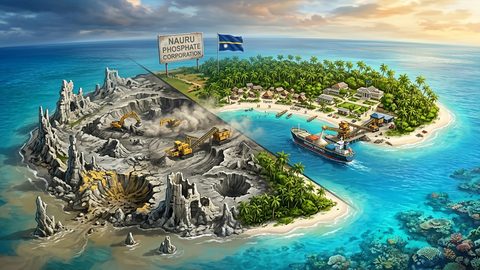 Nauru, the Pacific Republic That Phosphate Built and Nearly Erased
Nauru is one of the Pacific's most overlooked republics. A candid guide to topside, Buada Lagoon, colonial history, and how to actually get there.
Nauru, the Pacific Republic That Phosphate Built and Nearly Erased
Nauru is one of the Pacific's most overlooked republics. A candid guide to topside, Buada Lagoon, colonial history, and how to actually get there.
-
 Planning Independent Travel in the Wakhan Corridor, Tajikistan
Independent travel in Tajikistan's Wakhan Corridor: GBAO permits, road conditions from Ishkashim, realistic travel windows, and honest logistics for serious overlanders.
Planning Independent Travel in the Wakhan Corridor, Tajikistan
Independent travel in Tajikistan's Wakhan Corridor: GBAO permits, road conditions from Ishkashim, realistic travel windows, and honest logistics for serious overlanders.