Eswatini: Compact Kingdom of Mountains, Reserves, and Craft Markets
Eswatini packs mountains, wildlife reserves, and vibrant craft markets into one of Africa's smallest, easiest-to-navigate kingdoms.
- Flag
-
- ISO code
- SZ
- Population
- 1,136,191
- Currency
- SZL
- Dial code
- +268
Eswatini: Compact Kingdom of Mountains, Reserves, and Craft Markets
Eswatini is 17,364 square kilometres, smaller than Wales. That size is not a limitation. It is the reason this kingdom works for independent travellers who want wildlife, walking trails, and craft markets without the logistical drag of a larger itinerary. Drive from one end to the other in two and a half hours. The MR3 highway runs from the Ngwenya border post with South Africa, through the capital and Manzini, past Hlane Royal National Park, to the Mozambique border at Lomahasha. Every reserve, every craft centre sits within an hour of that single paved artery. This is the antidote to sprawling African trip planning. You do not need internal flights, a tour operator, or complex coordination. You need a car, a sense of direction good enough to follow the MR103 southwest out of the administrative hub, and a willingness to drive on the left.
- Area: 17,364 km²
- Population: 1,236,000 (2024 estimate, Eswatini Central Statistical Office)
- Capital: Mbabane (administrative), Lobamba (legislative and royal)
- Official Languages: Swazi (siSwati), English
- Currency: Swazi lilangeni (SZL), pegged 1:1 to the South African rand (ZAR)
- Driving Side: Left
- Highest Point: Emlembe, 1,862 m
- Road Network: 3,810 km total (1,500 km paved)
The Case for Independent Travel in a Tiny Kingdom
Eswatini is safe. Violent crime against tourists is rare. Police roadblocks exist but are not the shakedown encounters you find on some southern African highways. English is an official language and widely spoken, especially in the capital, Manzini, and the Ezulwini Valley. The road tolls are zero. Stick to 60 km/h in urban areas, 80 km/h rural, and 120 km/h on the MR3 highway. You do not need an International Driving Permit if your licence is in English. Petrol stations sell unleaded 93 and 95 RON plus diesel. You are never more than 80 kilometres from a fuel stop on the main routes. Rent a car at King Mswati III International Airport, drive 40 minutes to the Ezulwini Valley, and you will feel competent by the time you check into your lodge.
The Ezulwini and Malkerns Craft Corridor
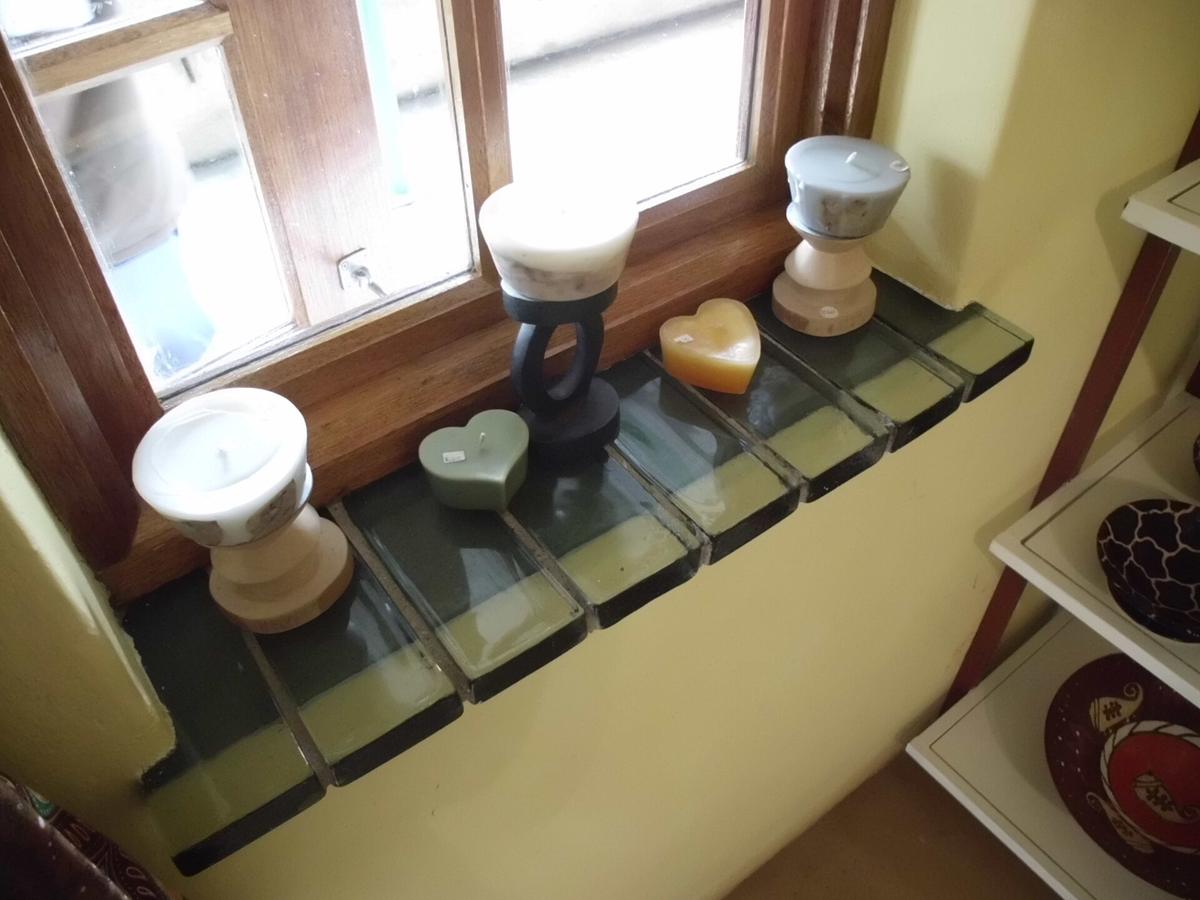
Base yourself in the Ezulwini Valley for the concentration of craft workshops. The valley runs roughly 30 kilometres from Lobamba to the Malkerns turn-off. The Malkerns Valley sits south of the capital, west of the MR103, between Ezulwini and Manzini. In that small triangle are Swazi Candles Craft Centre in Malkerns, where you watch hand-dipped candles being made in animal and geometric shapes. Mantenga Craft Centre in the Ezulwini Valley stocks textiles, woodcarving, and beadwork. Gone Rural in Malkerns works with women in rural communities to produce woven grass products. Baobab Batik in Malkerns sells hand-printed textiles. Tintsaba Crafts near Piggs Peak specialises in sisal weaving. None of these are tourist traps. They are production spaces where the price reflects the hours of handwork. Visit all five in a single day without driving more than an hour total.
The Reserves Without the Big-Itinerary Headaches
Eswatini has four main protected areas. Each is distinct enough to justify a separate overnight. Mlilwane Wildlife Sanctuary, established in 1961 and covering 4,560 hectares, is the safest bet for solo travellers and families. It has no dangerous game. Walk unguided, cycle, or mountain bike on the trails. The self-drive loop takes 90 minutes at a slow pace. Book a night at the rest camp inside the sanctuary and hit the trails by 06:30 before the heat builds.
Mkhaya Game Reserve covers 10,000 hectares and delivers the country's best rhino sightings. Black and white rhino both occur here. No self-drive. Arrive at the reserve gate by 11:00 to join the guided game drive. That drive takes three hours and includes a stop at a picnic site with cold drinks. Book at least two weeks ahead in the dry season, May through September. The lodge inside Mkhaya costs more than any other accommodation in the country but returns the highest concentration of megafauna per hour inside the park.
Hlane Royal National Park, at 22,000 hectares, is the largest reserve. It holds lion, elephant, and white rhino. Join the guided game drive at 06:30 or 15:30. You can self-drive on the main loops but a guide is mandatory where lion are present. The royal connection matters here. Hlane is part of the Swazi royal estate and the park's name means "wilderness" in siSwati. Do not photograph the royal residence at Ludzidzini. The strict dress codes for the Umhlanga Reed Dance and Incwala Kingship Ceremony reflect the broader deference to the monarchy you will encounter in Lobamba.
Malolotja Nature Reserve, 18,000 hectares of high-altitude terrain, suits hikers who want elevation and endemic flora. The Malolotja Falls drop 95 metres. The reserve sits above 1,200 metres and nights are cold even in summer. The hiking trails lack the detail you might expect from a European national park. Pick up a paper map from the visitor centre, carry a GPS-enabled phone with offline maps, and carry enough water for the full loop. The streams are not reliable year-round.


When to Go and Where to Skip the Crowds
The Umhlanga Reed Dance runs from late August to early September over eight days. The main public dancing happens on Day 7. The final procession is Day 8. Both take place at the Ludzidzini Royal Residence in Lobamba. Women must cover shoulders, no shorts above the knee, no bare midriffs. Photography is permitted in the general area but not of the Queen Mother's enclosure. To observe without the crush of day-trippers from South Africa, arrive by 07:30 on the seventh day and stand on the eastern side of the arena. By 10:00 the sun is direct and the crowd density makes photography impossible.
Incwala, the Kingship Ceremony, runs from December to January with dates set by the moon phase. Little Incwala occurs at the new moon. The main Incwala occurs at the full moon. The Day of the Log and the final burning of the Guma are the most significant public events. Dress code is stricter than Umhlanga. No hats in royal presence. No black or mourning colours. Photography during sacred rituals is prohibited. Watch the marshals. If they gesture for you to lower your camera, lower it immediately. This is not a tourist performance. It is the central religious ritual of the Swazi monarchy. Treating it as spectacle will get you escorted out.
The best window for general travel is May through September. The dry season means clear skies, cooler temperatures in the highlands, and passable gravel roads. Avoid December through February. Temperatures in the Ezulwini Valley hit the mid-30s Celsius, afternoon thunderstorms are frequent, and the lowveld humidity around Hlane and the Mozambique border makes walking safaris uncomfortable after 10:00.
A Three-Day Itinerary
If you only have three days, base yourself in the Ezulwini Valley. Spend one day on the craft circuit from Swazi Candles to Gone Rural to Baobab Batik. Spend one day at Mlilwane Wildlife Sanctuary walking the Hippo Pool loop in the morning and mountain biking the afternoon. Spend the third day on a guided tour of Mkhaya Game Reserve, which requires a pre-booked slot but rewards you with rhino sightings that match anything in South Africa's Kruger National Park. That three-day package is achievable without a single prearranged transfer if you have your own car.
A Five-Day Itinerary
If you have five days, add Hlane Royal National Park. Drive the MR3 east from Manzini for 45 minutes. Book the 06:30 guided game drive, then spend the afternoon at the Ndlovu Camp swimming pool. On the fifth day, drive north to Malolotja Nature Reserve for a half-day hike on the Malolotja Falls trail. Return to the capital by mid-afternoon. These are short drives on good roads. The entire loop from the administrative centre down to Hlane and back is under 200 kilometres. For a completely different small-country experience, consider Djibouti, where otherworldly salt lakes and whale sharks replace Eswatini’s green mountains and craft markets.
The Honest Caveat About the Political Context
You will encounter a functioning absolute monarchy during your trip. King Mswati III has been head of state since 25 April 1986. No political parties contest elections. The 2005 constitution maintains the ban on political parties introduced by the 1973 decree. Protests in 2021 resulted in deaths and injuries according to reports from the United Nations and Amnesty International. Know this before you go. It does not mean you should skip the country. Many Swazis will discuss the political situation openly if you ask respectfully. It does mean that the official narrative you hear from tourism guides and government employees may differ from what you read in independent media. Your role as a traveller is to listen, not to argue. Eswatini is a gentle destination for independent travel, but it is not a naive one. The same small scale that makes logistics easy also means the political, social, and economic dynamics are visible rather than abstract. Pay attention. That is part of the reward.
_(11).jpg)
Common Questions
Is Eswatini safe for solo travellers?
Yes. Violent crime against tourists is rare. English is widely spoken, roads are good on the main routes, and the Ngwenya border post operates 24 hours. Take normal precautions at night in the capital and Manzini and keep valuables out of sight in the car.
Can I drive myself between the reserves?
Yes. The MR3 connects the capital, Manzini, Hlane, and the Mozambique border. The MR103 connects the capital to Ezulwini and Malkerns. All major reserves have paved access. Only Mkhaya requires a guide for entry. You need a licence in English and drive on the left.
When is the best time for the craft markets?
The Ezulwini and Malkerns workshops are open year round, Monday to Saturday, 09:00 to 16:00. May through September is most comfortable for walking between centres. December through February is hot but the centres have shade and fans.
How do I observe Umhlanga or Incwala as a visitor?
Arrive early. Umhlanga Day 7 is the main public event at Ludzidzini Royal Residence. Dress modestly: no shorts above the knee, women cover shoulders. Photography of the Queen Mother's enclosure is banned. Incwala is stricter, no photos during sacred rituals. Follow marshals' instructions.
Read next
-
 Getting to Nauru, the Pacific State Where Air Schedules Define Your Stay
A logistics briefing on reaching Nauru by air — covering weekly flights from Brisbane and Honiara, visa-on-arrival requirements, and planning around fixed departure dates.
Getting to Nauru, the Pacific State Where Air Schedules Define Your Stay
A logistics briefing on reaching Nauru by air — covering weekly flights from Brisbane and Honiara, visa-on-arrival requirements, and planning around fixed departure dates.
-
 Nauru, the Pacific Republic That Phosphate Built and Nearly Erased
Nauru is one of the Pacific's most overlooked republics. A candid guide to topside, Buada Lagoon, colonial history, and how to actually get there.
Nauru, the Pacific Republic That Phosphate Built and Nearly Erased
Nauru is one of the Pacific's most overlooked republics. A candid guide to topside, Buada Lagoon, colonial history, and how to actually get there.
-
 Planning Independent Travel in the Wakhan Corridor, Tajikistan
Independent travel in Tajikistan's Wakhan Corridor: GBAO permits, road conditions from Ishkashim, realistic travel windows, and honest logistics for serious overlanders.
Planning Independent Travel in the Wakhan Corridor, Tajikistan
Independent travel in Tajikistan's Wakhan Corridor: GBAO permits, road conditions from Ishkashim, realistic travel windows, and honest logistics for serious overlanders.