The DR Congo’s Cities: Lubumbashi, Kisangani, Mbuji-Mayi, and Kolwezi
Lubumbashi, Kisangani, Mbuji-Mayi, and Kolwezi are the DR Congo’s distant urban realities—mining towns and river ports with their own rhythms, far from Kinshasa.
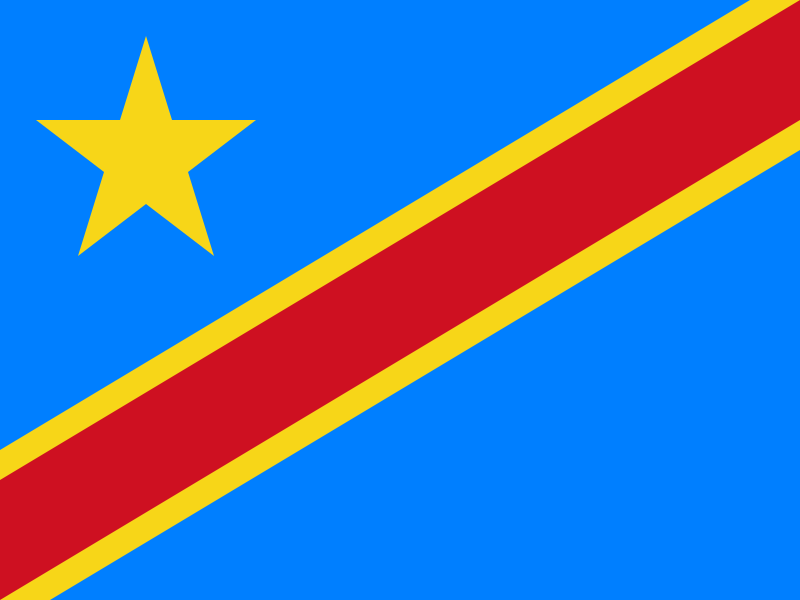
- Flag
-
- ISO code
- CD
- Population
- 84,068,091
- Currency
- CDF
- Dial code
- +243
The DR Congo’s Cities: Lubumbashi, Kisangani, Mbuji-Mayi, and Kolwezi
Most travellers imagine the Democratic Republic of the Congo as a single block of rainforest and war. That map is wrong. The country’s distant mining and river cities are not smaller versions of Kinshasa. They are separate worlds, each with its own economic logic, its own soundtrack, and its own set of obstacles. Lubumbashi runs on copper and Congolese rumba. Kisangani rots gently on the great bend of the Congo River. Mbuji-Mayi is a diamond boomtown that never paved its streets. Kolwezi is a cobalt frontier where the dust is toxic and the money is new. None of them are easy. You move between them on UN cargo flights or bone-shaking buses. You pay for everything in cash dollars. You carry photocopies of your passport through every police checkpoint. Every city demands a specific kind of patience and preparation, far from any brochure version of the Congo.
- Visa required for most nationalities: Yes
- E-visa available: Yes
- Visa cost range: USD 50, 200 (varies by nationality and visa type)
- International airports with scheduled service: N'djili Airport (Kinshasa, FIH), Lubumbashi International Airport (FBM), Goma International Airport (GOM), Kisangani Bangoka International Airport (FKI)
- Public transport in cities: Shared taxis and moto-taxis
- Intercity public transport: Buses and trucks on main routes
- Public transport ceases in: Most rural areas; eastern conflict zones
- Currency: Congolese franc (CDF)
- USD cash acceptance: Widespread in cities and border areas
- Card payment acceptance: Very limited; some high-end hotels in Kinshasa and Lubumbashi
- ATM availability: Kinshasa, Lubumbashi, Goma, Bukavu; unreliable
- Dry season in north (equatorial): December, February
- Dry season in south: May, September
- Rainy season in north: March, November
- Rainy season in south: October, April
- Safety advisory source: Government travel advisories (UK FCDO, US State Department, Canada GAC)
- Safety summary: High risk of violent crime, kidnapping, and armed conflict in eastern provinces; crime risk in major cities
- Lubumbashi: Capital of Haut-Katanga province; centre of copper and cobalt mining
- Kisangani: Located at Congo River bend; site of Grand Mosque of Kisangani
- Mbuji-Mayi: Diamond trading centre; known for informal markets
- Kolwezi: Copper and cobalt mining hub; site of Kolwezi Mining Museum
Lubumbashi Copper, Rumba, and Art Deco
Fly into Lubumbashi International Airport and you land in the country’s second city. The 2024 visa rules and entry procedures are handled on separate pages; what you need to know here is that Lubumbashi feels like a different nation. The wide boulevards, the crumbling Art Deco villas, the bars where orchestras play rumba until dawn: this is Katanga, the copper province that funds the state and resents it in equal measure.
Book a room in the city centre near Avenue Kasa-Vubu. From there you walk to the post office, the cathedral, and the Grand Marché. The market sells everything from Chinese electronics to dried caterpillars. Its real value is the copperware: bracelets, plates, wire sculptures that cost a tenth of what they would in Kinshasa. Negotiate in Congolese francs, not dollars, or you pay a premium.
Museum And Money
Do not skip the Lubumbashi National Museum. Its collection of Luba and Songye masks is the best in the south, and the building itself is a 1930s colonial gem. Arrive before 10:00 to avoid the school groups. The guide you meet on site expects a USD 5 tip; pay it.
The logistics of Lubumbashi are punishing in one specific way. ATMs exist but they reject foreign Visa cards more often than they accept them. Carry enough USD cash for your entire stay. Break hundred-dollar notes at hotels, never on the street. Moto-taxis charge CDF 1,000 to 2,000 for a short hop. Drivers do not have change for a USD 20 bill.

Kisangani the River Port That Time Left Behind
Kisangani sits where the Congo River widens and becomes navigable. The city was once the river empire’s inland capital. Now the Grand Mosque of Kisangani and the rusting port cranes tell a story of stalled ambition. You come here for the Wagenia fishermen at Boyoma Falls, not for comfort.
The Falls And The Garden
Fly into Kisangani Bangoka International Airport. Roads from the east are impassable during the rainy season, which runs March to November. Once you are in the city, hire a moto-taxi to the falls. The Wagenia people fish in the rapids using massive conical baskets suspended from wooden platforms. This is not a show staged for tourists. The men have fished this way for generations. Stand on the bank. Watch for twenty minutes. Pay the chief a USD 5 fee directly. Do not photograph without permission.
The city’s other landmark is the botanical garden near the university. It is neglected and overgrown, which is precisely why it matters: the trees date from the Belgian colonial arboretum and include species found nowhere else in the country. A local student will guide you for CDF 10,000. Skip the Lubunga district after dark. The curfew-like quiet masks a real security risk.
Where To Stay
Kisangani has one decent hotel with reliable power: the Hotel des Chutes, near the airstrip. Book it three weeks ahead. The alternatives are guesthouses with generators that run from 18:00 to 22:00 only. Charge every device in that window.
Mbuji-Mayi Diamonds, Dust, and Unpaved Reality
Mbuji-Mayi is the capital of the diamond trade and the least visited city of its size in Africa. The streets are unpaved. The dust is a fine grey powder that coats everything inside your bag within an hour of arrival. The economy runs on informal diamond dealing, and the city feels like a boomtown that never got around to building a town.
Arrive by UN flight or private charter. The road from Lubumbashi takes 12 hours in the dry season and is impassable when the rains hit, any month between October and April. Once you are on the ground, your only transport is a moto-taxi. Negotiate a half-day rate, around USD 15, and pay in CDF.
The Diamond Market
The sole reason to come here is the diamond market. It operates in a fenced compound near the centre. You do not walk in uninvited. Find a contact through your hotel, a local fixer who speaks French and Tshiluba, and arrange a visit. What you will see is not glamorous: men sorting rough stones by hand under fluorescent lights. The fixer expects a USD 20 fee. Do not buy diamonds. The risk of smuggling charges is real. The stones sold to foreigners are almost always industrial grade marked up ten times.
Leave Mbuji-Mayi after two nights. The city has no museum, no gallery, no site of historical importance beyond the market itself. Its value is as a window into the informal economy that powers the country.
Kolwezi Cobalt Frontier, Military Checkpoints, and a Mining Museum
Kolwezi is the furthest west of the four cities, a drive from Lubumbashi on a road that the truckers call the cobalt highway. The surface is tarred but potholed. Police checkpoints appear every 20 kilometres. Keep your passport, visa photocopy, and yellow fever card in a single ziplock bag. Each stop takes five minutes if you have documents ready. Thirty if you do not.
The Museum And The Mines
The city itself is a company town built by the mining conglomerate Gécamines. The Kolwezi Mining Museum is the only formal attraction. It holds geological samples, mining equipment, and the story of the 1978 Battle of Kolwezi, when French and Belgian paratroopers retook the city from rebels. The museum opens irregularly. Call ahead through your hotel and confirm. Entry is CDF 5,000.
Beyond the museum, Kolwezi is a raw frontier. The cobalt that powers the world’s lithium batteries comes from open-pit mines visible from the city limits. Arrange a visit to an active mine through a registered tour operator in Lubumbashi before you leave. Do not attempt to visit a mine independently. The security guards are armed and have been instructed to shoot trespassers. The 2024 UK FCDO advisory rates the risk of kidnapping in this region as high. Do not travel alone.
Stay at the Hotel Karavia, the only accommodation with consistent power and water. The dining room serves grilled tilapia and a passable chawarma. Bring your own toilet paper and hand sanitizer.

The Logistics That Make or Break the Trip
What matters more than any single city is how you connect them. The distances are not large on a map. Lubumbashi to Kolwezi is a short drive. Lubumbashi to Mbuji-Mayi is a full day. But the road network was not built for passenger travel. Buses run on main routes but stop at sundown. Trucks carry goods and passengers together; expect to share your seat with sacks of maize. The dry season in the south, May to September, is the only window for overland travel. The rainy season in the north, March to November, closes the route to Kisangani.
Fly when you can. Lubumbashi International Airport has the best connections. Kisangani Bangoka International Airport has one weekly commercial flight from Kinshasa. Kolwezi has no scheduled commercial flights; you fly into Lubumbashi and drive. Mbuji-Mayi has no commercial service at all.
Cash And Documents
USD cash is the only reliable currency across all four cities. Congolese francs are essential for taxis, market purchases, and entry fees. Exchange dollars at banks in Lubumbashi; the rate is better than at hotels. Carry a passport photocopy and a separate set of copies for every checkpoint. Leave your actual passport in the hotel safe. Drivers and fixers expect payment in cash at the moment of service. Do not promise to pay later.
Safety And The Eastern Provinces
None of these four cities is in the active conflict zone of eastern DRC. But the security situation in the east affects logistics everywhere. Flights get cancelled when fighting disrupts airspace. Road checkpoints multiply when tensions rise. The government travel advisories published by the UK FCDO, the US State Department, and Canada GAC are updated frequently. Check them the week before you depart and the day before each internal flight. If the advisory for the province you are travelling through shifts to do not travel, cancel the leg.
The honest caveat: this trip is not for first-time Africa visitors. The DR Congo’s distant cities demand a tolerance for discomfort, a cash-heavy approach, and a willingness to sit in a truck for ten hours on a road that does not deserve the name. If that sounds like a reason to go, you will see a country that almost no traveller sees.
Common Questions
Can I fly between these cities without using UN flights?
Yes, but the options are limited. Congo Airways operates scheduled flights between Lubumbashi and Kisangani, and between Lubumbashi and Kolwezi. Mbuji-Mayi has no scheduled commercial service; you need a charter or a UN flight if you have the access.
How much cash should I carry for a 10-day trip to these four cities?
Budget USD 800 to 1,200 per person if you stay in mid-range hotels and eat in restaurants. ATMs are unreliable everywhere. Break larger bills at hotels. Keep smaller CDF notes for moto-taxis and market purchases.
Is it safe to drive from Lubumbashi to Kolwezi?
Yes in daylight during the dry season, May to September. The road is tarred but potholed. Police checkpoints are frequent and usually polite if your papers are ready. Do not drive after 17:00. Do not drive in the rainy season, October to April.
Which city should I skip if I only have time for three?
Skip Mbuji-Mayi unless you have a specific interest in diamond trading. The city has no landmarks, no decent accommodation, and the road access is the worst of the four. Lubumbashi, Kisangani, and Kolwezi each offer something distinct.
Read next
-
 Getting to Nauru, the Pacific State Where Air Schedules Define Your Stay
A logistics briefing on reaching Nauru by air — covering weekly flights from Brisbane and Honiara, visa-on-arrival requirements, and planning around fixed departure dates.
Getting to Nauru, the Pacific State Where Air Schedules Define Your Stay
A logistics briefing on reaching Nauru by air — covering weekly flights from Brisbane and Honiara, visa-on-arrival requirements, and planning around fixed departure dates.
-
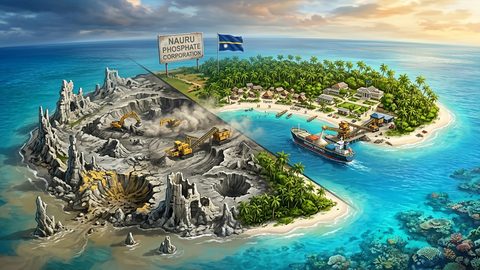 Nauru, the Pacific Republic That Phosphate Built and Nearly Erased
Nauru is one of the Pacific's most overlooked republics. A candid guide to topside, Buada Lagoon, colonial history, and how to actually get there.
Nauru, the Pacific Republic That Phosphate Built and Nearly Erased
Nauru is one of the Pacific's most overlooked republics. A candid guide to topside, Buada Lagoon, colonial history, and how to actually get there.
-
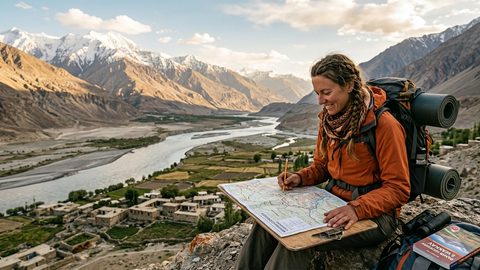 Planning Independent Travel in the Wakhan Corridor, Tajikistan
Independent travel in Tajikistan's Wakhan Corridor: GBAO permits, road conditions from Ishkashim, realistic travel windows, and honest logistics for serious overlanders.
Planning Independent Travel in the Wakhan Corridor, Tajikistan
Independent travel in Tajikistan's Wakhan Corridor: GBAO permits, road conditions from Ishkashim, realistic travel windows, and honest logistics for serious overlanders.