Mbabane: Eswatini’s Mountain Capital and Gateway to the Ezulwini Valley
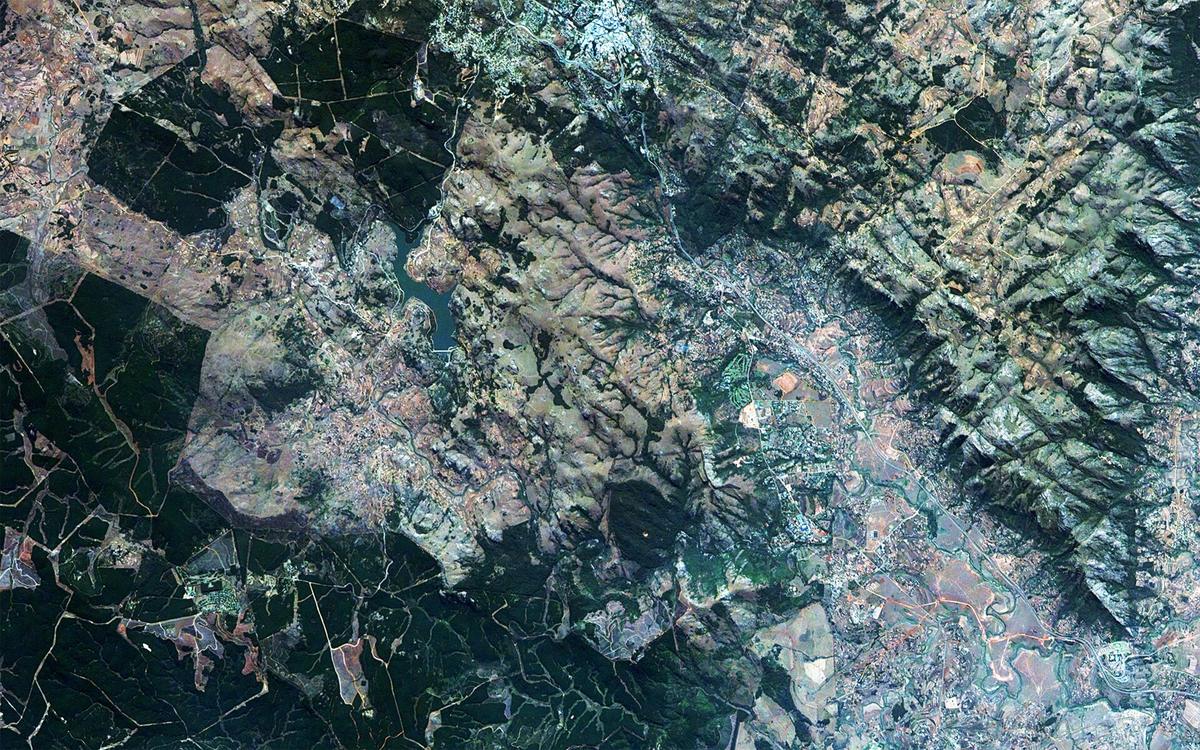
Mbabane sits in the cool Dlangeni Hills and works as a practical base for Eswatini’s craft markets, mountain walks, and the reserves of the Ezulwini Valley below.
- Flag
-

- ISO code
- SZ
- Population
- 76,218
- Currency
- SZL
- Timezone
- Africa/Mbabane
Mbabane: Eswatini’s Mountain Capital and Gateway to the Ezulwini Valley
The mist is still thick over the Pine Valley at 07:30, and the air is 14°C even in January. You zip your jacket and step onto the Mdzimba trail above the city, the only sound your boots on the red dirt. This is not a transit town. Mbabane sits at 1,243 metres, cool and deliberate. It rewards the traveller who stops here rather than speeding through on the way to a reserve.
Most guides treat Mbabane as a one night stopover, a place to sleep before the safari. That is a mistake. The city is a genuine base for the Ezulwini Valley, the Mbuluzi and Mlilwane reserves, and the craft markets that sell the best Swazi woven baskets and soapstone carvings in the country. Its unhurried pace and highland climate are the point, not a problem. If you need nightlife, skip it. If you want morning walks through pine forest, afternoon market bargaining, and evening drives into a valley of reserves that sit lower and warmer, Mbabane is your camp.
The Practical Base: Walking, Shopping, Sleeping
The first thing to do on arrival: walk the Mdzimba trail. It starts on the western edge of town, above the Swazi Plaza, and takes about 90 minutes round trip. The elevation gain is modest, the views over the Hhohho region are wide, and the mist burns off by 10:00 most days. October through March, expect fog in the early morning. Bring a light jacket even in summer; the mean daily max in January is 25°C, but July mornings drop to 6°C, and the cold is sharp at altitude.
Swazi Market Bargaining
Skip the airport souvenir stalls. Go to the Swazi Market on Allister Miller Street. It is the real craft market, not a tourist trap. The goods: woven baskets, soapstone carvings, batik textiles, jewellery. Bargain, but do not lowball aggressively. The stalls are owner run, the quality is consistent, and the prices are lower than anything you will find in the valley hotels. Arrive by 09:00 before the tour buses pull in. Cash only. SZL or ZAR; the lilangeni is pegged one to one to the rand, and rand is accepted everywhere.
Reaching the Reserves
Mbabane sits 16 kilometres from Lobamba, the legislative and royal capital, and the entire Ezulwini Valley runs roughly 30 kilometres southwest. Mlilwane Wildlife Sanctuary is 20 minutes from central Mbabane by car. Mbuluzi Game Reserve is about 25 minutes. Both are accessible on a day trip without moving your accommodation. The road is tarred and well maintained. Drive yourself, or hire a car with driver from the Swazi Plaza taxi rank for the day. Negotiate the return time. Expect to pay a half-day rate that varies by season; confirm the figure with your driver before you set off.
The National Museum
Museum in Lobamba, next to Parliament. The 2024 opening hours were Monday to Friday 08:00 to 16:30, Saturday and Sunday 10:00 to 16:00. Confirm the Saturday and Sunday times with the Eswatini Tourism Authority before you go, as those hours are revised annually. The museum covers Swazi history, culture, and the monarchy. It is small. You can cover it in one hour. Pair it with a walk around the Lobamba Parliament buildings and the nearby King Sobhuza II memorial.
Why You Stay, Not Just Stop
The argument for Mbabane over a lodge in the valley is the climate. At 1,243 metres, the air is dry, the nights are cool, and you sleep. Down in the valley, the altitude drops to between 700 and 1,000 metres, and the humidity rises. For a three night stay, base yourself in Mbabane and drive down each morning. The drive into the valley is 20 minutes, and you gain the evening return to a cool room and a quiet street.
The city is quiet after dark. Restaurants close by 21:00. There is no bar strip, no nightlife. That is not a flaw. It is a feature. You are here for the reserves, the markets, and the mountain air, not for a party. If you want nightlife, stay in Johannesburg, 380 kilometres west on the N17 and MR3, and drive to the Ngwenya border post, open daily 07:00 to 22:00, for day trips into Eswatini. If you want a genuine base, book a guesthouse in the Pine Valley suburb, north of the city centre, and use the evening for planning the next day.



The Day Trip Strategy
Arrive in Mbabane by midday. Check into your accommodation. Walk the Mdzimba trail in the afternoon. Hit the Swazi Market the next morning at 09:00. Drive to Mlilwane for the day. The reserve offers self guided walking trails, horse riding, and a swimming pool fed by a spring. Entry costs around SZL 100 per person. Book the horse riding in advance at the reception desk; it fills up on weekends.
Day three: drive to Mbuluzi Game Reserve, which is smaller and quieter than Mlilwane. It is better for birding and for seeing nyala and zebra without other cars. The road in from the MR3 is gravel but passable in a sedan. Day four: drive the length of the valley to Lobamba, visit the National Museum, and stop at the Mantenga Cultural Village for a live Swazi dance performance. The performance runs at 11:00 and 15:00. Arrive at 10:45 to get a seat. Day five: drive north to the Ngwenya glass factory, 25 kilometres from Mbabane on the MR3 towards the border. Watch the glassblowing, buy seconds from the factory shop at half price, then drive back for a final afternoon at the market.
The common mistake is trying to combine Mbabane with a full safari in the eastern reserves like Hlane or Mkhaya in the same week. That is a different page. For a short trip focused on the highland capital and the valley, five days is the minimum. Do not try to cover the whole country in under a week. The roads are slow, and the north south journey from Mbabane to the lowveld eats two full days return. Rushing means missing the morning walks and the afternoon market bargaining that make this stop worthwhile.
What to See in Mbabane
Common Questions
Is Mbabane safe for solo travellers?
Yes. The city is quiet, petty crime is low, and the streets are safe in daylight. After dark, there is not much open anyway. Stick to the main roads in the Pine Valley area, and keep valuables out of sight. The risk is lower than in Johannesburg or Maputo.
How many days should I spend in Mbabane before moving on?
Three to five days. That gives you two full days for the valley reserves, one day for the market and the Mdzimba walk, and one day for the Ngwenya glass factory and the National Museum. Anything less, and you are back in transit mode, which defeats the point.
Do I need a car to get around?
A car helps. The daily drives to Mlilwane and Mbuluzi are short, but public transport is limited to minibus taxis that run unpredictable schedules. Rent a car from the airport or hire a driver by the day from the Swazi Plaza taxi rank. The driver option costs a half-day rate; negotiate it before you set off.
What should I pack for Mbabane?
A light jacket or fleece for the mornings and evenings, even in summer. The temperature drops to 6°C in July. In summer, expect afternoon showers. Waterproof shoes for the Mdzimba trail. Cash in SZL or ZAR for the market. No need for mosquito repellent; the altitude keeps them low.
Is the Swazi Market worth the visit?
Yes. It is the best place in the country for woven baskets and soapstone carvings. The prices are lower than in the valley hotel shops. Arrive by 09:00 before the tour buses. Cash only. Bargain, but not aggressively.
Read next
-
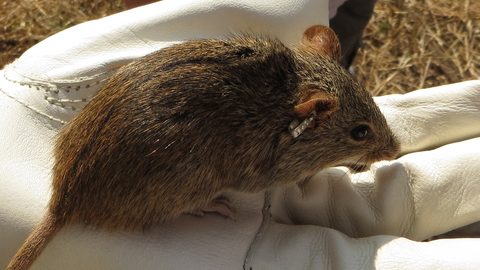 Mbuluzi Game Reserve
 offers self-catering lodges and campsites where you walk among giraffe and antelope without a guide, a quieter alternative to Eswatini’s busier parks.
Mbuluzi Game Reserve
Mbuluzi Game Reserve offers self-catering lodges and campsites where you walk among giraffe and antelope without a guide, a quieter alternative to Eswatini’s busier parks.
-
 Eswatini Small Mountainous and Easy to Travel Reserves Craft and the Ezulwini Valley
Eswatini packs mountains, wildlife reserves, and vibrant craft markets into one of Africa's smallest, easiest-to-navigate kingdoms.
Eswatini Small Mountainous and Easy to Travel Reserves Craft and the Ezulwini Valley
Eswatini packs mountains, wildlife reserves, and vibrant craft markets into one of Africa's smallest, easiest-to-navigate kingdoms.
-
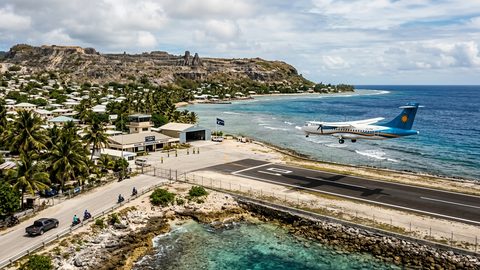 Getting to Nauru, the Pacific State Where Air Schedules Define Your Stay
A logistics briefing on reaching Nauru by air — covering weekly flights from Brisbane and Honiara, visa-on-arrival requirements, and planning around fixed departure dates.
Getting to Nauru, the Pacific State Where Air Schedules Define Your Stay
A logistics briefing on reaching Nauru by air — covering weekly flights from Brisbane and Honiara, visa-on-arrival requirements, and planning around fixed departure dates.
-
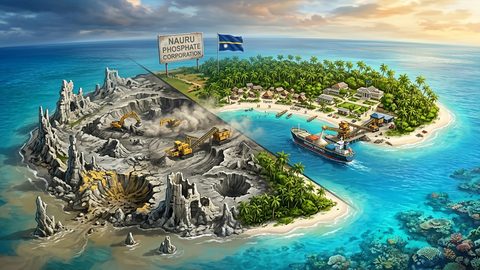 Nauru, the Pacific Republic That Phosphate Built and Nearly Erased
Nauru is one of the Pacific's most overlooked republics. A candid guide to topside, Buada Lagoon, colonial history, and how to actually get there.
Nauru, the Pacific Republic That Phosphate Built and Nearly Erased
Nauru is one of the Pacific's most overlooked republics. A candid guide to topside, Buada Lagoon, colonial history, and how to actually get there.
-
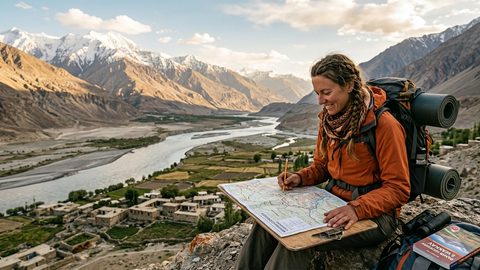 Planning Independent Travel in the Wakhan Corridor, Tajikistan
Independent travel in Tajikistan's Wakhan Corridor: GBAO permits, road conditions from Ishkashim, realistic travel windows, and honest logistics for serious overlanders.
Planning Independent Travel in the Wakhan Corridor, Tajikistan
Independent travel in Tajikistan's Wakhan Corridor: GBAO permits, road conditions from Ishkashim, realistic travel windows, and honest logistics for serious overlanders.