Sliven and the Balkan Foothills: A Guide to Provincial Bulgaria
Using Sliven and its famous clock tower as a base to explore the textile towns, wood-built villages, and slow rhythms of Bulgaria's Balkan foothills.
- Flag
-
- ISO code
- BG
- Population
- 7,000,039
- Currency
- BGN
- Dial code
- +359
A Town That Works, a Clock That Marks Time
Most travellers to Bulgaria race east to the Black Sea or north to the ski slopes of Bansko. They miss the version of the country that still smells of tobacco drying in attic rafters and wool being washed in stone troughs. Sliven is that version. It is a textile town squatting under the vertical limestone cliffs called the Blue Rocks, and it anchors a set of provincial towns in the Balkan foothills that feel like Bulgaria before the EU brought cash machines and highway rest stops. The 19th century clock tower in the centre, rebuilt after a 1936 fire, is a secular pilgrimage site not because of its architecture, but because it marks the rhythm of a town that never dressed itself up for tourists.
What Sliven Rewards
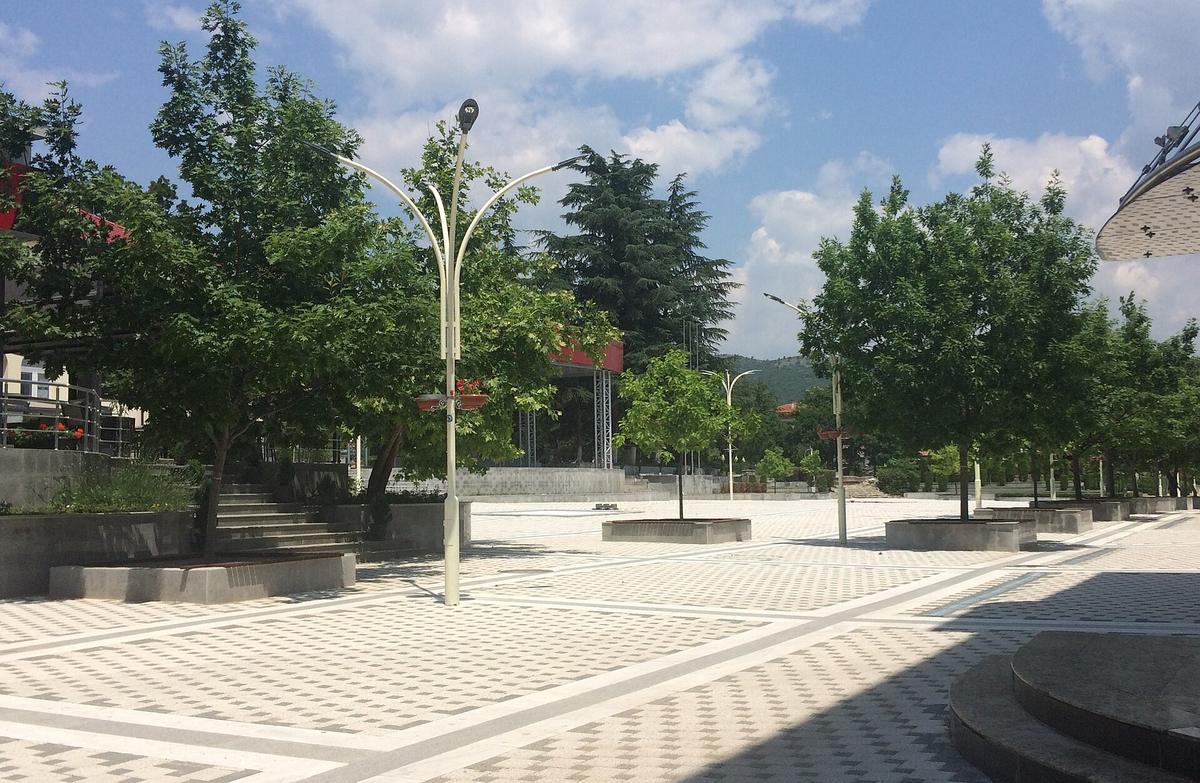
Sliven rewards the traveller who does not need a boutique hotel and a gluten free menu. It rewards the traveller who wants to stand in a town square and watch the afternoon pass under the shadow of the Hadzhi Dimitar monument, erected in 1935 on the central square to honour Sliven rebels. The Regional Historical Museum, founded in 1908, holds Thracian gold and Ottoman tax records in the same room. Spend the first morning there before the heat hits. Then walk up to the Blue Rocks natural park, a 40 minute walk from the square, for a view of the town laid out below like a map of itself. Do not expect cable cars. The path is steep. The reward is silence.
.jpeg)
- Location: Eastern Bulgaria at the foot of the Balkan Mountains, under the Blue Rocks
- Clock Tower: 19th century clock tower in town centre, rebuilt after fire in 1936
- Historical Museum: Regional Historical Museum 'Dr. Simeon Tabakov', founded 1908
- Central Monument: Hadzhi Dimitar monument to Sliven rebels, erected 1935 on the central square
- Nearby Balkan Towns: Kotel, Zheravna, Medven, Katunishte, Gradets
- When to Go: March to May for mild temperatures and blooming landscapes; September to November for harvest season and thinning crowds
- When to Skip: December to February for cold and limited access to rural roads; June to August for peak heat and busier inland sites
- Safety: Consult your government's current travel advisory for regional updates.
- Payment: Cards widely accepted in cities and large towns. Cash essential in small villages, rural guesthouses, and local markets.
Radial Day Trips Into the Foothill Villages
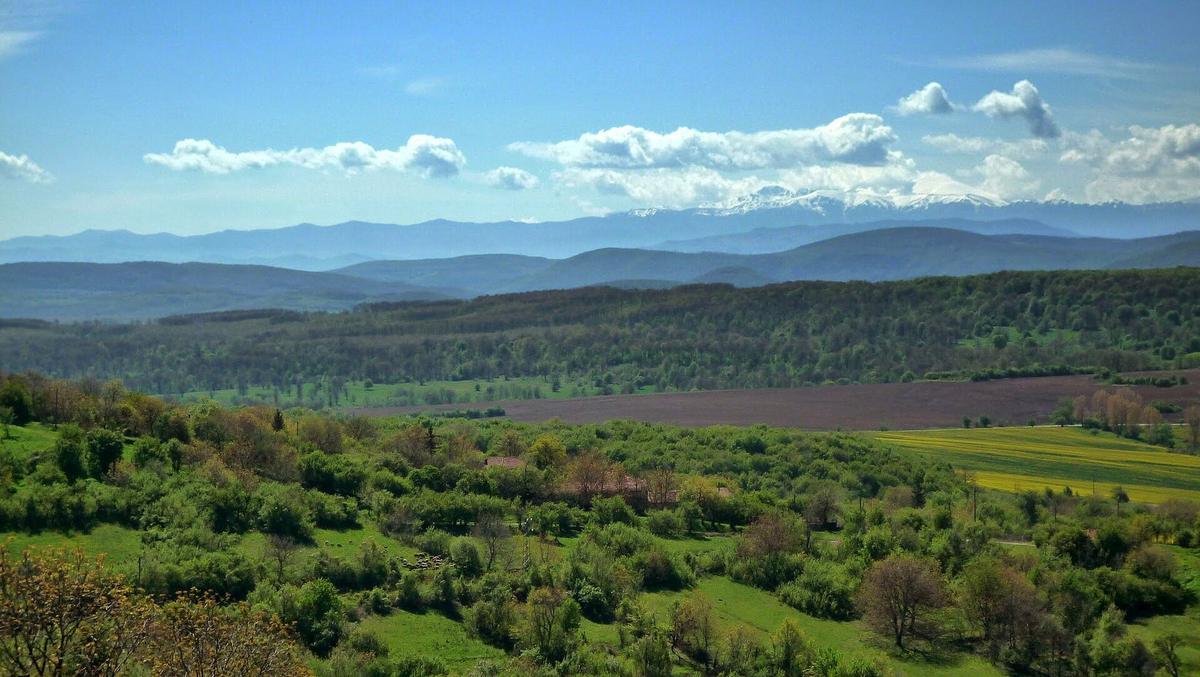
Sliven is not the destination. It is the base camp. From here, five towns in the Balkan foothills lie within a 90 minute drive, and each one offers a different texture of provincial life. You need a car. Public transport in these villages is minimal or absent. Rent a car in Sliven for three days minimum. Without it, you cannot reach the villages that make this region worth the detour.
Kotel: Wood, Wool, and the Oldest School
Kotel sits 45 kilometres northeast of Sliven, a 50 minute drive into the Balkan range. The town is famous for its 19th century wooden houses with overhanging eaves and carved wooden ceilings, and for its role in the Bulgarian National Revival. Visit the 1869 school building, the first in Bulgaria to teach in the Bulgarian language under Ottoman rule. Then walk the main street where women still weave wool carpets on hand looms visible through open ground floor windows. Buy a small rug directly from a weaver. Expect to pay 60 to 100 lev (30 to 50 euro) for a 1 by 1.5 metre piece. Do not haggle hard. These women are craftspeople accepting a fair price.
Zheravna: Carpet Traditions and Locked Museums
This village is 15 minutes further down the same road from Kotel, with fewer than 300 permanent residents. The main reason to come is the 19th century architectural reserve: preserved houses with stone ground floors and wooden upper storeys. But the real draw is carpet weaving. The village has a small museum dedicated to the Zheravna carpet, a geometric pattern tradition that dates to the 1700s. Call the museum before you go. The contact number was not consistently answered in 2025, so ask your Sliven guesthouse owner to call a day ahead. Otherwise you find the door locked and no schedule posted anywhere. Pack a picnic lunch. The village has one shop. It sells bread and cheese and nothing else.
Medven, Katunishte, and Gradets: The Deeper Hills
These three villages are smaller and less visited. Medven, 30 minutes south of Sliven, has a restored 18th century church and a waterfall that runs only after spring rain. Katunishte, 20 minutes west, is a goat herding village where the main attraction is the silence and the smell of woodsmoke in the evening. Gradets, 25 minutes north, has a 14th century fortress ruin on a hill above the village and a single tavern that serves lamb stew cooked in a clay pot. Order it when you arrive. The stew takes three hours. The cook starts it at breakfast. Order at lunch and you wait.
What You Actually Do in These Towns
The appeal of the Balkan foothill towns is not a list of sights. The appeal is pace. You wake in Sliven, buy cheese and bread and tomatoes from the morning market near the clock tower square, and drive into the hills. You arrive in a village with no timetable. Walk the unpaved lanes. Watch old men play chess on wooden crates outside the village shop. Sit in a church courtyard and listen for the bell that still rings the hours. The landladies who rent rooms in Kotel and Zheravna will feed you homemade bean stew and cucumber salad for 10 lev (5 euro) a meal and tell you stories about their grandchildren in Sofia. Let the day happen.
For photographers, the best light is the hour after sunrise, especially in Zheravna where the wooden houses catch the low sun and turn amber. For historians, Kotel's museum of the Bulgarian National Revival holds weapons, costumes, and documents from rebel bands that operated in these hills in the 1860s and 1870s. The museum opens at 09:00 and closes for a two hour lunch at 12:00. Arrive at 09:00 sharp to get the full tour before the break. For a different Balkan contrast, Albania’s interior towns like Burrel and Lushnje offer a starker, more rugged take on the land between coast and mountains.
| Town | Drive From Sliven | Best Single Activity | Food Situation |
|---|---|---|---|
| Kotel | 45 km / 50 min | See the first Bulgarian-language school and buy a handwoven carpet on the main street | Three taverns; try the lamb in yogurt sauce |
| Zheravna | 60 km / 1 hr | Photograph the preserved 19th century houses at sunrise | One shop with bread, cheese, and cured sausage; bring lunch |
| Medven | 25 km / 30 min | Hike to the waterfall after spring rain | No tavern; pack food |
| Katunishte | 15 km / 20 min | Walk the goat paths above the village for view of the Balkan ridge | One home stays offering meals by arrangement |
| Gradets | 20 km / 25 min | Climb to the 14th century fortress ruin | Single tavern; order lamb stew at 10:00 |

Logistics and Limitations
Sliven has a train station with connections to Sofia (3.5 hours) and Burgas (1.5 hours), but once you arrive, the rail network thins in rural areas. The bus station beside the train station serves Kotel and Zheravna, but only two departures daily and a return that leaves at 14:00 sharp. Miss it and you are stuck until the next morning. Renting a car in Sliven costs 40 to 60 lev (20 to 30 euro) per day from the two agencies near the train station. Book a week ahead in July and August. Outside summer, walk in and collect the keys in 20 minutes.
Cash is essential. Every village shop, every home stay, every cup of coffee in these hills is paid in Bulgarian lev. The rate is fixed at 1.95583 lev per euro, so a 1 lev coffee is roughly 0.51 euro. Withdraw cash from the ATMs in Sliven before you drive out. The one ATM in Kotel accepts only Bulgarian bank cards. The one in Zheravna is frequently empty.
March to May is the best window. Temperatures are mild, the hills are green, and tourist numbers are low. June to August is hot and the towns are busier as Bulgarians on coastal holidays make a day trip inland. September to November offers harvest season and thinning crowds. Winter, December to February, brings snow that closes rural roads and leaves some villages unreachable for days. Skip winter unless you have a four wheel drive and know how to use it.
Common Questions
Do I need a car to visit the Balkan foothill towns from Sliven?
Yes. Public transport to Kotel and Zheravna has only two buses daily with an early afternoon return. Medven, Katunishte, and Gradets have no scheduled public transport. Rent a car in Sliven.
How many days should I base myself in Sliven?
Three full days. Day one covers Sliven itself: the historical museum, the clock tower area, and a walk into the Blue Rocks. Days two and three are for the foothill towns. Kotel and Zheravna can be done in one long day. Medven, Katunishte, and Gradets need a second day.
Can I buy handwoven carpets in Kotel and Zheravna?
Yes, but only from weavers in their homes, not from a shop. Expect to pay 60 to 100 lev for a 1 by 1.5 metre piece. Bring cash in small denominations. Do not haggle aggressively.
Is Sliven safe for solo travelers?
Yes. The most common risk is car break ins near the train station. Park in a pay lot or behind your guesthouse. In the villages, theft is virtually unknown.
What should I do if I only have one day in Sliven and cannot leave the town?
Visit the Regional Historical Museum first, then walk up into the Blue Rocks for the view. Eat lunch at the market hall near the clock tower. Spend the afternoon with a coffee on the central square watching the Hadzhi Dimitar monument's shadow lengthen. It is a good day. It is not a reason to come to this part of Bulgaria.
Read next
-
 Getting to Nauru, the Pacific State Where Air Schedules Define Your Stay
A logistics briefing on reaching Nauru by air — covering weekly flights from Brisbane and Honiara, visa-on-arrival requirements, and planning around fixed departure dates.
Getting to Nauru, the Pacific State Where Air Schedules Define Your Stay
A logistics briefing on reaching Nauru by air — covering weekly flights from Brisbane and Honiara, visa-on-arrival requirements, and planning around fixed departure dates.
-
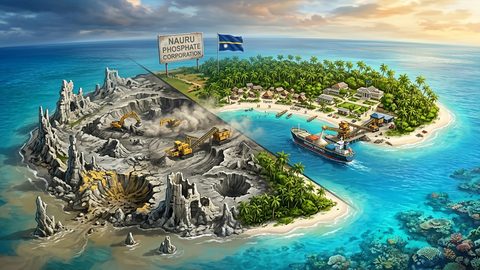 Nauru, the Pacific Republic That Phosphate Built and Nearly Erased
Nauru is one of the Pacific's most overlooked republics. A candid guide to topside, Buada Lagoon, colonial history, and how to actually get there.
Nauru, the Pacific Republic That Phosphate Built and Nearly Erased
Nauru is one of the Pacific's most overlooked republics. A candid guide to topside, Buada Lagoon, colonial history, and how to actually get there.
-
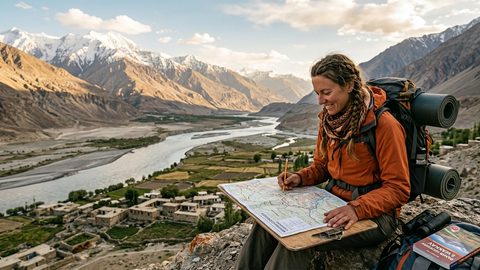 Planning Independent Travel in the Wakhan Corridor, Tajikistan
Independent travel in Tajikistan's Wakhan Corridor: GBAO permits, road conditions from Ishkashim, realistic travel windows, and honest logistics for serious overlanders.
Planning Independent Travel in the Wakhan Corridor, Tajikistan
Independent travel in Tajikistan's Wakhan Corridor: GBAO permits, road conditions from Ishkashim, realistic travel windows, and honest logistics for serious overlanders.