Switzerland Beyond the Postcard: Border Cities, Valley Towns and the Rhône Course
Switzerland at ground level: the border cities where three languages meet, the Rhône valley's industrial ribbon, and the Jura towns behind the famous peaks.
- Flag
-
- ISO code
- CH
- Population
- 8,516,543
- Currency
- CHF
- Dial code
- +41
Basel, Geneva, the Jura Arc and the Rhône Valley
In the Basel SBB ticket hall, a man speaks German to the machine, French to the woman behind him, then switches to English for your question without pausing. That three-second exchange is the whole point of travelling here. You are not here for the Jungfrau. You are here for the edges: the tripoint where Germany, France and Switzerland meet in the Rhine; the international quarter of Geneva where the UN corridor feels more like a diplomatic no man's land than a city district; the Jura watchmaking towns that run along the French border like a string of precision instruments; and the Rhône valley, an industrial ribbon that cuts through the alpine scenery in a way no brochure shows. This is the Switzerland of cross-border commuters, linguistic fractures, and the valleys behind the famous peaks. Skip the alpine resorts. Follow the borders and the river courses instead.
- Language Regions: 4: German (~62%), French (~23%), Italian (~8%), Romansh (~0.5%)
- German-Speaking Principal Cities: Zürich, Bern, Basel, Luzern
- French-Speaking Principal Cities: Genève, Lausanne, Neuchâtel
- Italian-Speaking Principal City: Lugano
- Romansh-Speaking Principal Area: Canton Graubünden
- Border City Facing Germany: Basel
- Border City Facing France: Genève
- Border City Facing Italy: Lugano
- Cross-Border Rail Connections, Basel: Germany (DB), France (SNCF)
- Cross-Border Rail Connections, Genève: France (SNCF, TGV Lyria)
- Cross-Border Rail Connections, Lugano: Italy (Trenitalia, TILO)
- Rail Network Total Length: ~5,300 km
- Rail Network Operator: SBB/CFF/FFS (Swiss Federal Railways)
- Half Fare Card Annual Price (2026): CHF 190
- Half Fare Card Discount: 50% on most rail, bus, boat, mountain railway tickets
- Swiss Travel Pass 3-Day 2nd Class (2026): CHF 244
- Swiss Travel Pass 4-Day 2nd Class (2026): CHF 295
- Swiss Travel Pass 8-Day 2nd Class (2026): CHF 429
- Swiss Travel Pass 15-Day 2nd Class (2026): CHF 519
- Swiss Travel Pass Validity: Unlimited travel on SBB network, most city transport, boats, free entry to ~500 museums
- Mid-Range Double Room (2025): CHF 200, 350 per night
- Casual Dinner Main Course (2025): CHF 22, 35
- Café Crème (2025): CHF 4.50, 5.50
- Mountain Shoulder Seasons: Mid-April to early June; mid-October to early December
Basel: the Tripoint City
Arrival and the Dreiländereck
Arrive at Basel SBB and you are in three countries within a ten-minute walk. The station itself has a German exit and a French exit. Tram line 8 runs to Weil am Rhein in Germany. The bus crosses to Saint-Louis in France. The true draw is the Dreiländereck, the concrete marker where the three borders meet in the middle of the Rhine. Take tram 8 to the Kleinhüningen stop and walk the final stretch along the river path. It is not a monument. It is a functional river junction with a welded steel sculpture and heavy container ship traffic. That is the point. This is Switzerland as logistics hub, not Switzerland as postcard.
How to Spend Two Days
The city deserves two days. Walk the Kunstmuseum for Holbein originals, then cross the Mittlere Brücke to the Kleinbasel side for nightlife that spills across the German border without ceremony. Book accommodation on the Kleinbasel side. It costs less and puts you closer to the cross-border trams.

Geneva: the Diplomatic Edge
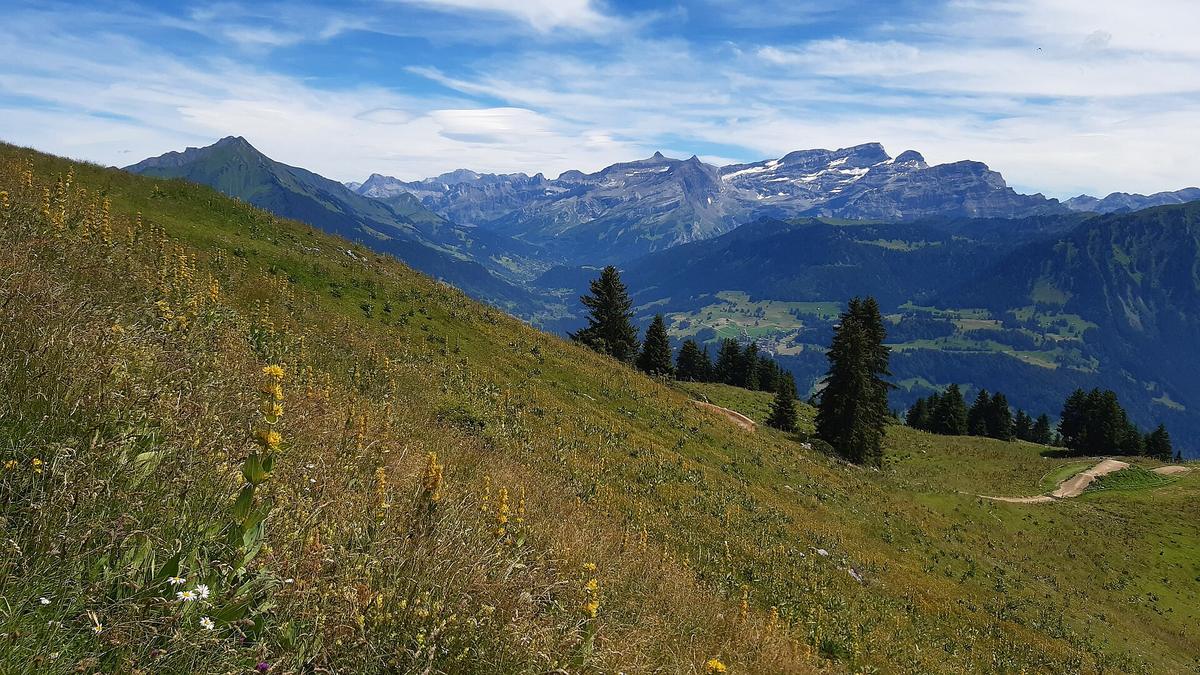
Geneva feels less like a Swiss city than a corporate campus for the international community. The Palais des Nations and the surrounding Quartier International dominate the northern bank. The cross-border commuter flow is extreme. Every morning, tens of thousands of frontaliers cross from the French departments of Ain and Haute-Savoie by train, tram and car. They work in the UN agencies, the Red Cross and the banks. They return to France each evening because Swiss rent is too high. That daily movement is the real texture of Geneva.
Carouge and the French Border
Skip the Jet d'Eau after the first look. Spend your time instead in the Carouge district, a former Sardinian town that joined Geneva only in 1816. Its Italianate arcades, independent bookshops and low-rise scale are a direct counterpoint to the glass towers of the international zone. From Genève Cornavin station, the Lausanne-bound train takes 45 minutes if you want to push deeper into the French-speaking arc. For the border itself, take bus 5 to the end of the line at Veyrier Douane and walk into France through the pedestrian gate. No passport check within Schengen. Just a change in street-cleaning frequency and shop signage.
Lugano and the Italian-Speaking Sliver
Lugano sits in a lake basin so steep that the city feels like a vertical construction site on a blue surface. The Italian-speaking region of Ticino accounts for just 8% of the national population, but its cultural distance from Zürich is huge. Order a risotto at lunch and the waiter addresses you in Italian. The cross-border connection is Trenitalia and TILO trains from Lugano station to Como and Milan. The ride to Como is the most useful day trip on this itinerary. You get Italian prices for lunch, Italian lake views, and re-entry into a different cultural zone by evening.
What to Do in Lugano
Within the city, the Parco Ciani lakeside path and the Monte Brè funicular are the two things to do. The funicular runs year round and climbs steeply. Pay with the same SBB ticket if you hold a Swiss Travel Pass, which covers it. Do not bother with the Swissminiatur park in Melide. It is a tourist trap dressed as a family attraction. If you want miniature Switzerland, stay home and look at a map.
| City | Cross-Border Rail Partner | Best Single Activity | Minimum Time Needed |
|---|---|---|---|
| Basel | Germany (DB), France (SNCF) | Walk to the Dreiländereck tripoint marker at the Rhine junction | 2 days |
| Genève | France (SNCF, TGV Lyria) | Explore the Carouge district for Italianate arcades and independent shops | 2 days |
| Lugano | Italy (Trenitalia, TILO) | Ride the Monte Brè funicular for lake and mountain views | 1.5 days |
.jpg)
The Jura Watchmaking Towns and the Rhône Industrial Ribbon
The Jura Watchmaking Arc
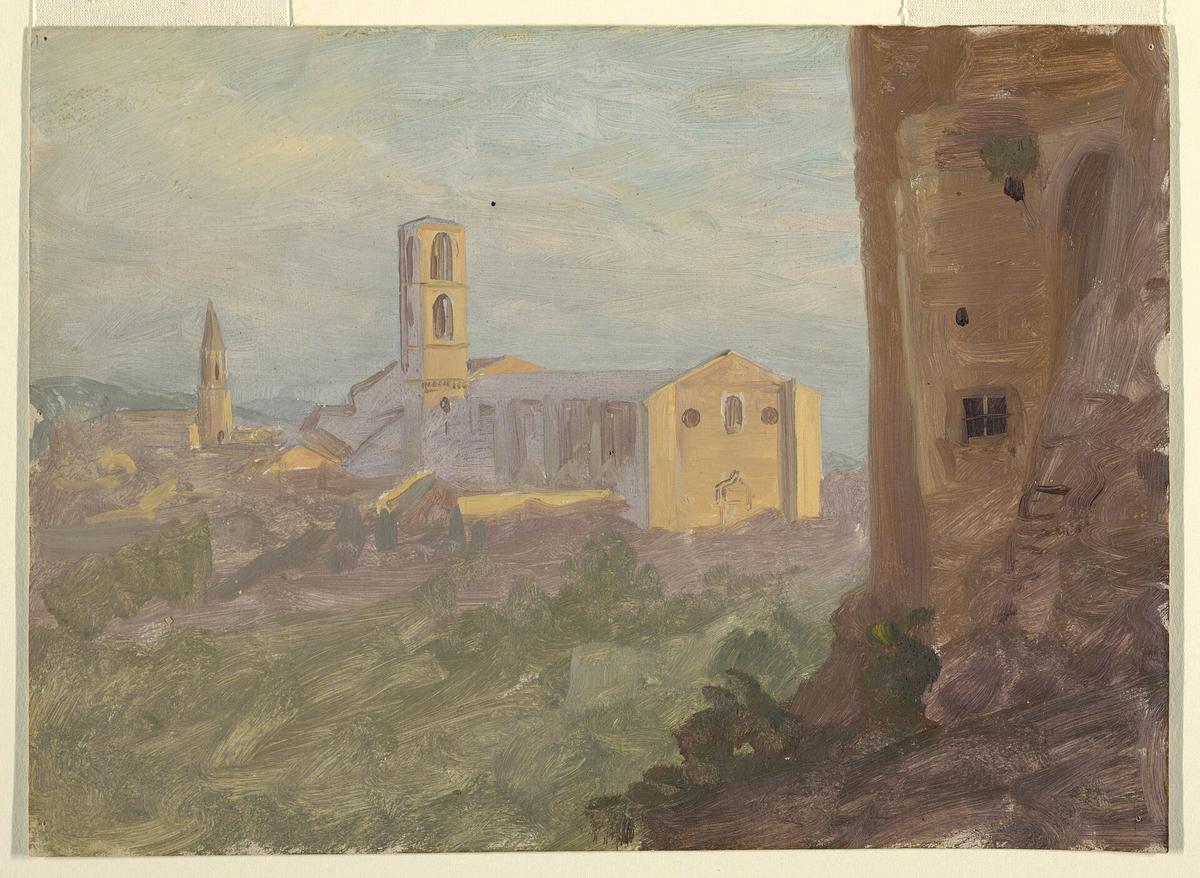
The Jura arc runs along the French border from Geneva northeast toward Basel. This is where Swiss watchmaking is not a heritage exhibit but a living industry. La Chaux de Fonds and Le Locle, both UNESCO listed, are the two anchor towns. Their grid layouts were designed in the 19th century specifically to maximise daylight for watchmakers working at benches. The streets face southeast. The factories have enormous north-facing windows. Spend a morning at the Musée International d'Horlogerie in La Chaux de Fonds and an afternoon at Le Locle's Espace de l'Urbanisme Horloger. Both are free with the Swiss Travel Pass. The train from Neuchâtel takes 20 minutes to either town.
The Rhône Valley: Industry Behind the Scenery
Follow the Rhône from Geneva downstream toward the French border. This is not the mountain route. This is the industrial corridor: chemical plants, hydroelectric dams, and rail yards pressed against the river gorge. The SBB line from Genève to Brig runs the length of the valley. Get off at Monthey for the giant chemical works, at Visp for the Lonza plant that supplies half the world's pharmaceutical intermediates, and at Sierre for the valley's transition from French to German. The valley is ugly in an honest way. It tells you how the country actually works. The electricity that powers the Jungfrau railway comes from dams in valleys like this one. The Swiss Travel Pass covers all these trains.
When to Go
The shoulder seasons matter here. Between mid-April and early June, and again between mid-October and early December, many cable cars and mountain railways in the high Alps close. The year-round operating destinations like Zermatt and Jungfraujoch stay open, but the border cities and valley towns do not depend on them. Basel, Geneva, Lugano, the Jura towns and the Rhône corridor function on standard timetables and regular hotel occupancy. You save money in shoulder season. Mid-range doubles that cost CHF 200 to 350 in peak summer drop by 20 to 30 percent in May and November.
Common Questions
Which Swiss Travel Pass length should I buy for this border and valley itinerary?
Buy the 8-day pass if you plan long-distance journeys daily. The 3-day pass breaks even only if you take two long-distance journeys per day, which is possible but rushed. The 8-day pass at CHF 429 for 2026 covers Basel to Geneva, Geneva to Lugano, and all the Jura and Rhône valley routes without worrying about individual tickets. The Half Fare Card at CHF 190 for 2026 is better if you stay in one or two cities and make only short trips, because you break even only once you spend CHF 380 on full-price tickets over the year.
What is the easiest way to visit all three border cities in one trip?
Take the SBB InterCity from Basel SBB to Genève Cornavin in 2 hours 45 minutes, then from Genève to Lugano in 3 hours via the Simplon tunnel. Do not try to do all three in under five nights. Basel needs two nights, Geneva two nights, Lugano one night minimum.
Are the Jura watchmaking towns worth visiting outside of peak season?
Yes. The museums are open year round. The street grids and factory architecture are visible regardless of weather. The towns are quiet in shoulder season, which makes them better for photography and conversation with the people who still work in the industry.
How do I get from Geneva to the Rhône valley industrial towns?
Take the SBB regional train from Genève Cornavin toward Brig. Monthey is 45 minutes, Visp is 1 hour 15 minutes, Sierre is 1 hour 30 minutes. All are covered by the Swiss Travel Pass. Get off, walk the main street for half an hour, and catch the next train. A day trip can cover two towns.
What should I do in Basel if I only have one morning?
Walk from Basel SBB to the Rheinschanze for a coffee at the riverside beer garden, then cross the Mittlere Brücke into Kleinbasel and ride tram 8 to the Dreiländereck. The whole loop takes 90 minutes.
Can I combine Lugano with a day trip to Italy?
Yes. Take the TILO train from Lugano station to Como. The journey is 40 minutes, and trains run twice an hour. Spend the morning in Como's old town, eat lunch for half the Swiss price, and return by mid-afternoon. Your Swiss Travel Pass does not cover the Italian leg; buy a CHF 8 regional ticket at the station.
What is the single biggest mistake travellers make on this route?
Trying to add Zermatt or Jungfraujoch to a border and valley itinerary. Those require two extra travel days and specialised mountain transport that adds CHF 200 to 400 per person. Keep this trip flat. The surface of Switzerland is the subject.
Read next
-
 Getting to Nauru, the Pacific State Where Air Schedules Define Your Stay
A logistics briefing on reaching Nauru by air — covering weekly flights from Brisbane and Honiara, visa-on-arrival requirements, and planning around fixed departure dates.
Getting to Nauru, the Pacific State Where Air Schedules Define Your Stay
A logistics briefing on reaching Nauru by air — covering weekly flights from Brisbane and Honiara, visa-on-arrival requirements, and planning around fixed departure dates.
-
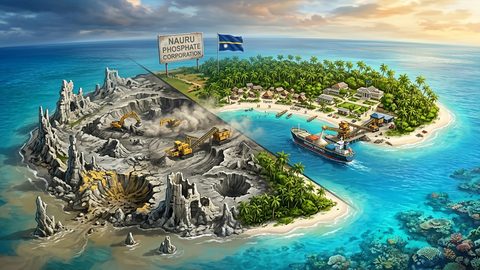 Nauru, the Pacific Republic That Phosphate Built and Nearly Erased
Nauru is one of the Pacific's most overlooked republics. A candid guide to topside, Buada Lagoon, colonial history, and how to actually get there.
Nauru, the Pacific Republic That Phosphate Built and Nearly Erased
Nauru is one of the Pacific's most overlooked republics. A candid guide to topside, Buada Lagoon, colonial history, and how to actually get there.
-
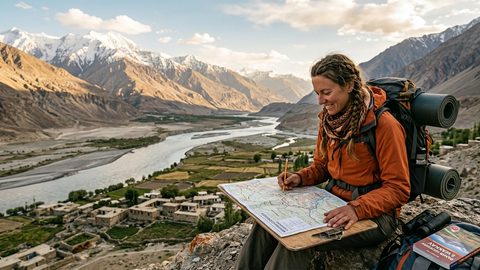 Planning Independent Travel in the Wakhan Corridor, Tajikistan
Independent travel in Tajikistan's Wakhan Corridor: GBAO permits, road conditions from Ishkashim, realistic travel windows, and honest logistics for serious overlanders.
Planning Independent Travel in the Wakhan Corridor, Tajikistan
Independent travel in Tajikistan's Wakhan Corridor: GBAO permits, road conditions from Ishkashim, realistic travel windows, and honest logistics for serious overlanders.