Colombia Past Cartagena and Medellín
Colombia's second cities and its Amazon reserve reward travellers willing to step off the Medellín-Cartagena axis and into the country's deeper interior.
- Flag
-

- ISO code
- CO
- Population
- 49,648,685
- Currency
- COP
- Dial code
- +57
Manizales, Popayán and the Leticia Amazon
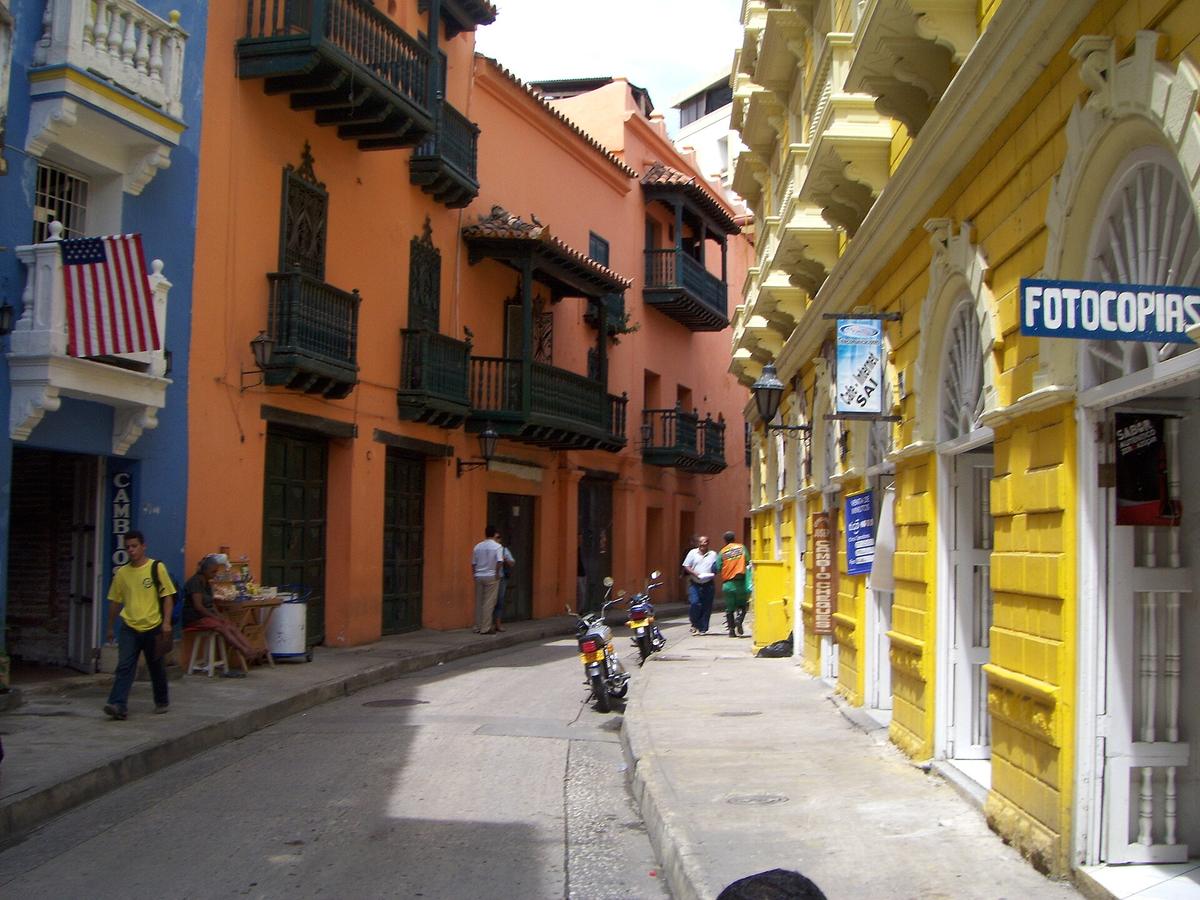
Rain drums on the zinc roof of a café in Manizales at 7:30 in the morning. Steam rising off a tinto cup mixes with the smell of wet coffee earth. Nobody asks if you have done the Comuna 13 graffiti tour. That question stays in Medellín. Manizales, Popayán and the Leticia Amazon are for the traveller who already knows Colombia has Cartagena and Medellín and wants the version that does not come pre-packaged for Instagram.
You will cover three places most itineraries skip: this highland coffee city that refuses to be a theme park; Popayán, a colonial capital where Holy Week processions matter more than nightlife; and the riverine Amazon reserve around Leticia, where the rainforest runs on its own timetable. These are not second best. They are a different kind of best, and they require you to slow down.

- Best For: Travellers who have already done Cartagena and Medellín; coffee enthusiasts willing to skip the tourist fincas; anthropology and Amazon-bound adventurers; return visitors to Colombia looking for a quieter route
- Not For: First time Colombia visitors with under 10 days; anyone who needs reliable nightlife or expects English widely spoken; travellers unwilling to navigate mototaxis or colectivos
- Minimum Days: 10 to do all three destinations without rushing; 7 if you pick two
- Peak Season: December to February and June to August for the coffee country; the Amazon is driest for hiking from August to November, but access by boat is better April to July when water levels rise
- Avoid Window: October and November bring the second rainy season to the Eje Cafetero, with muddy trails and frequent road closures in rural areas
- Arrival: Fly into Bogotá or Medellín, then take a domestic flight to Manizales Airport (MZL) or Leticia Airport (LET). For Popayán, fly to Cali and take a 3 hour bus or private transfer
- Getting Around: No national passenger rail network. Intercity travel by bus or flight. Within Manizales and Popayán use taxis or walk. In the coffee towns mototaxis and colectivos dominate. Leticia to Amacayacu National Park is by boat only
- Money: Colombian peso (COP). Cards work in Manizales and Popayán at hotels and nicer restaurants. Cash is essential for mototaxis, street food, market purchases, and all boat fees in Leticia. ATMs in Leticia run out of cash on weekends
- Safety: US Department of State Travel Advisory Level 3 (Reconsider Travel) as of 2026, with higher risk in specific departments. UK FCDO advises against all but essential travel to parts of Colombia. Consult current advisory before travel
Manizales and the Coffee Country Without the Crowds
Skip Salento on a weekend. The main street is a gauntlet of souvenir shops and overpriced trucha. Base yourself in the Caldas capital instead and use it as a launch point for the Coffee Axis towns nobody posts about.
Why This City Works When Salento Does Not
The city sits high and cool, less trampled than its Quindío neighbours. It has a working cable car system that transports residents and a cathedral that looks like a Gothic spaceship. Spend a morning at Hacienda Venecia, a working coffee farm that still processes beans rather than staging photos for tour groups. Book the 08:30 tour. You will watch the picking and washing cycle before the heat arrives.
A 45-minute colectivo from the city takes you to Filandia. This town has better preserved colonial architecture than Salento, far fewer foreign visitors, and a lookout point, the Colina Iluminada, that gives you the same valley panorama without the queue. Arrive by 09:00 and the main square is yours.
The Route That Saves Time
Do not try to hit all six core municipalities in the Eje Cafetero. Pick three. The Caldas capital, Filandia, and Jardín in Antioquia form a logical triangle. Jardín is a four-hour bus ride, but the road passes through the Cauca River canyon and the town itself has a basilica, a Saturday market, and a cable car up to the La Garrucha reserve. You lose a day getting there and back. That is the point. The coffee country rewards the traveller who stays put rather than the one who collects postcards.
Popayán: White City, Slow Pace
Popayán is Colombia's most underrated colonial city, and that is exactly why you should go. The all-white facades and wrought-iron balconies of the historic centre would draw crowds in Mexico. Here they draw university students and the occasional traveller who got tired of Cartagena's hawkers.
What To Do And What To Skip
Skip the Museo de Arte Religioso unless you have a specialist interest in colonial goldwork. Walk the Calle de la Amargura at dusk instead, when streetlights reflect off wet cobblestones after the afternoon rain. The Iglesia de San Francisco has a plateresque facade that rivals anything in Quito. Entry is free.
If you are in town during Holy Week, you witness a UNESCO-recognised procession tradition dating to the 16th century. If you are not, do not pretend otherwise. The city is quiet the rest of the year, and that quiet is the draw. Eat at La Vitrola, a 1950s-style diner that serves ajiaco without tourist markup. Cash only. Arrive before 12:30 or the lunch crowd takes every table.
This city is also a practical stopover for the drive south to Pasto or east to San Agustín. Factor in a full day and one night. Less than that and road fatigue erases the charm.
| Destination | Best Season | Minimum Stay | Key Warning |
|---|---|---|---|
| Manizales / Coffee Country | December-February, June-August | 3 nights | October and November second rainy season; trails close |
| Popayán | December-March | 1 night | Holy Week is packed; book 6 months ahead |
| Leticia & Amacayacu Reserve | August-November (hiking), April-July (boat) | 4 nights | Wettest months April-June; ATMs run out of cash |


Leticia and the Amazon Reserve Most Itineraries Miss
Leticia is not Manaus. It does not pretend to be. This three-country border town in the Amazon Trapezium is the access point for Amacayacu National Park, a reserve that sees a fraction of the visitors Brazil's jungle parks attract. You do not come here for luxury lodges. You come because the river dictates your schedule, not your hotel concierge.
Getting Into The Park Without A Tour Company Markup
Reach Amacayacu's entrance by boat from town. Negotiate directly with a boat owner at the waterfront dock, not through a hotel. The one-to-two-hour journey cost depends on the water level. The park itself charges a modest entry fee. Pay in cash. No card acceptance exists at the gate.
The higher water season from April to July lets you take small channels into the flooded forest, paddling past tree canopies at eye level. The lower water season from August to November exposes the forest floor and opens trails for hiking. Choose based on what you want to see, not on the month your flight lands. To see pink river dolphins, book a local guide for a half-day trip to the Lake Tarapoto reserve, which is not inside Amacayacu but is reached from the same dock.
The Reality Check
This border town has patchy Wi-Fi, one supermarket that sometimes stocks fresh vegetables, and ATMs that empty by Saturday afternoon. Bring enough cash for your entire stay plus a 30 percent buffer. Pack a power bank and a headlamp. The jungle is not a curated experience. Mosquitoes are aggressive year-round. The midday heat is punishing. Plan excursions for 06:00 to 10:00 and 15:00 to 18:00. The middle of the day is for hammocks and coconut water.
Do not combine this destination with the coffee country and Popayán on a single trip unless you have a clear week and a half. The flight from Bogotá takes two hours, but it is a separate world. Treat it as a finale, not a stopover.
The Honest Caveat
These three places share a common friction: they are not optimised for tourism. The Caldas capital has no tourist information desk at the airport. Popayán shuts down early. The Amazon border town runs on river logic and improvisation. That is exactly why the traveller who has already done the Cartagena-Medellín circuit finds them worthwhile. But if you need reliable Wi-Fi, English-speaking guides on every corner, and a restaurant menu that explains each dish, stay on the gringo trail. No shame in that. Just do not come here and complain that the coffee country lacks a party hostel or that the reserve lacks a cocktail bar. These places reward the self-sufficient. Book your flights, pack your patience, and let Colombia show you its unpolished side.
Common Questions
Which of these three destinations should I skip if I have only 7 days?
Skip Leticia. It needs 4 nights minimum and the flight from Bogotá costs time and money. Manizales and Popayán form a better short itinerary: fly into Manizales, bus south to Popayán, then exit via Cali.
Can I visit Amacayacu National Park without a guide?
You can enter independently, but the park has no marked trails and no staff at the entrance who speak English. A local guide is strongly recommended for boat navigation and wildlife spotting. Book at the dock in Leticia, not online.
Is Popayán safe for solo travellers?
Yes, the historic centre is well patrolled and easy to walk at night. Standard precautions apply. Avoid walking alone after 22:00 on streets south of the Calle de la Amargura, which are less trafficked.
What is the one thing I should pack for the coffee country that I would not pack for Cartagena?
A waterproof jacket and closed toed shoes. The Eje Cafetero gets afternoon rain even in the dry season, and the trails around Manizales and Filandia turn to mud quickly. Sandals will ruin your day.
Read next
-
 Getting to Nauru, the Pacific State Where Air Schedules Define Your Stay
A logistics briefing on reaching Nauru by air — covering weekly flights from Brisbane and Honiara, visa-on-arrival requirements, and planning around fixed departure dates.
Getting to Nauru, the Pacific State Where Air Schedules Define Your Stay
A logistics briefing on reaching Nauru by air — covering weekly flights from Brisbane and Honiara, visa-on-arrival requirements, and planning around fixed departure dates.
-
 Nauru, the Pacific Republic That Phosphate Built and Nearly Erased
Nauru is one of the Pacific's most overlooked republics. A candid guide to topside, Buada Lagoon, colonial history, and how to actually get there.
Nauru, the Pacific Republic That Phosphate Built and Nearly Erased
Nauru is one of the Pacific's most overlooked republics. A candid guide to topside, Buada Lagoon, colonial history, and how to actually get there.
-
 Planning Independent Travel in the Wakhan Corridor, Tajikistan
Independent travel in Tajikistan's Wakhan Corridor: GBAO permits, road conditions from Ishkashim, realistic travel windows, and honest logistics for serious overlanders.
Planning Independent Travel in the Wakhan Corridor, Tajikistan
Independent travel in Tajikistan's Wakhan Corridor: GBAO permits, road conditions from Ishkashim, realistic travel windows, and honest logistics for serious overlanders.