Khama Rhino Sanctuary from Serowe Getting There Without Your Own Vehicle
A practical guide to Khama Rhino Sanctuary from Serowe Getting There Without Your Own Vehicle.

Understanding the journey from Serowe
Khama Rhino Sanctuary sits on the tarred road linking Serowe to Orapa, roughly 25 to 30 kilometres north of town. The route passes through Paje village, and the sanctuary gate lies about five kilometres beyond Paje on the left-hand side. For anyone based in Serowe without a private vehicle, the distance is short enough to make a day trip realistic, yet the absence of a dedicated shuttle means you need to piece together a plan before setting out.
the guidance focuses strictly on that practical question: how to get from Serowe to the sanctuary and back, what transport options exist, and how to structure the day once you arrive. It does not repeat general guides to the sanctuary’s wildlife or accommodation. Instead, it walks through the choices available to a visitor relying on hired transport or public options, and it flags exactly which details you should confirm directly with the sanctuary or local drivers before committing to a timetable.
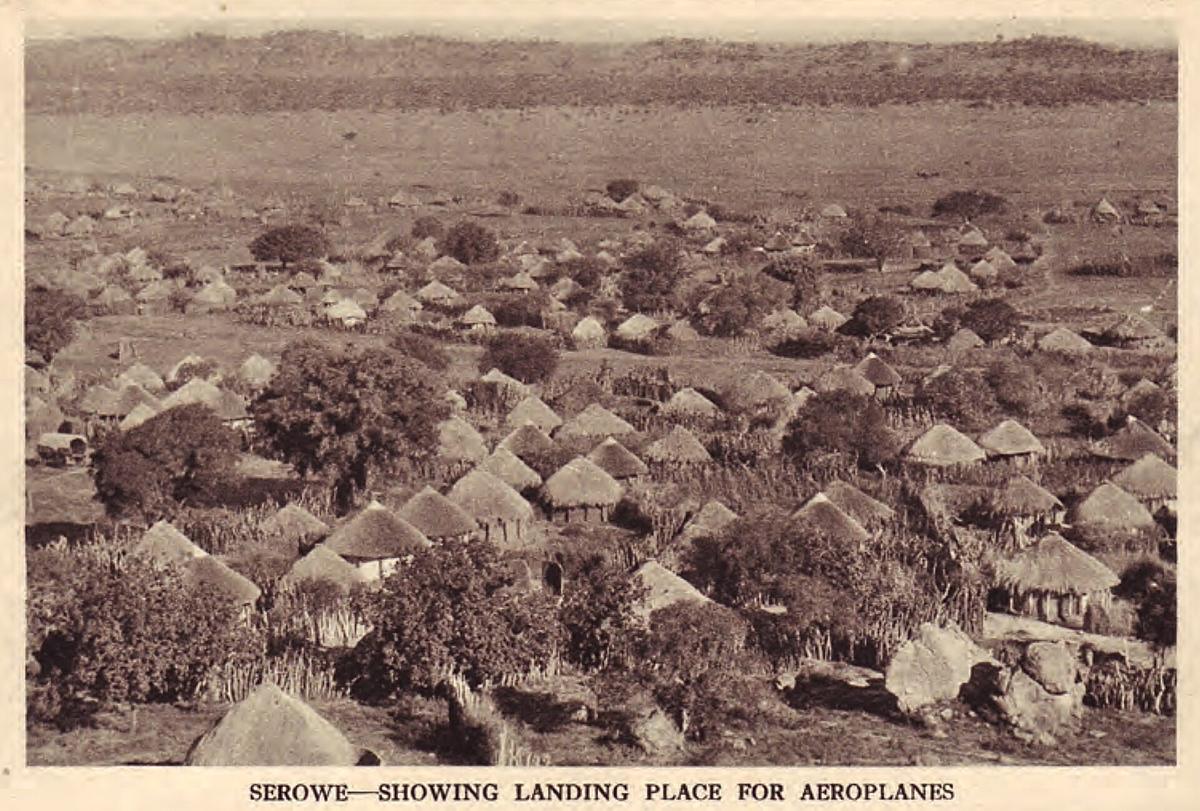
Starting point in Serowe
The most convenient departure point for the sanctuary is the main mall area in Serowe. The road opposite the mall leads to a T-junction where you turn left onto the Orapa road and continue northwards through Paje. The Khama Rhino Sanctuary Trust also keeps an office at the main mall, in Gammabesi House Unit 1, open Monday to Saturday from 08:00 to 17:00. This office can be a useful stop before you travel: you can ask about current gate conditions, confirm whether the road is open after recent weather, and check activity availability for the day you plan to visit.
Because the sanctuary gate opens at 07:00 and closes at 19:00, a day trip from Serowe fits comfortably within those hours. There is no need to rush at dawn, but leaving Serowe by mid-morning gives you a generous window for a game drive and a meal before heading back.

Transport option one: hiring a taxi
For most visitors without a car, a taxi hired from Serowe is the primary way to reach the sanctuary. Third-party sources report fares in the range of approximately P200 to P300 one way. This is not a regulated or fixed rate, so you should negotiate the fare and agree on a return arrangement before departing. Ask the driver whether they will wait at the sanctuary while you take a game drive, or whether they will return at an agreed time. If the driver waits, expect to pay for that waiting time separately.
A taxi drops you directly at the gate, eliminating the long walk from the main road that public transport users face. This makes it the simplest option, especially if you are travelling with children or carrying provisions. The trade-off is cost: a return taxi fare plus park entry and a guided activity adds up, so it is worth calculating the total before you set out.
Editorial advice: if you are staying at a lodge or guesthouse in Serowe, ask the staff whether they can recommend a driver who regularly does the sanctuary run. A driver familiar with the route and the gate procedures can reduce uncertainty about timing and pricing.
Transport option two: public bus or combi plus walking
There is no scheduled public bus or combi service that stops directly at the sanctuary gate. Buses travelling the Serowe-Orapa route can, however, drop passengers at the main road near the turn-off. From that drop-off point, the walk to the gate is about five kilometres. This option costs far less than a taxi, but it introduces a significant walk along a tarred road with no shade, and you still need to cover the same distance on the return trip.
If you choose this method, plan to arrive at the gate with enough time and energy to join a guided activity. Walking five kilometres in the midday heat before a two-hour game drive is demanding, and you should carry water, sun protection and sturdy shoes. The return walk to the main road also requires you to time your departure so that you are not waiting at the roadside after dark, given that the gate closes at 19:00.
Editorial advice: this option is best treated as a budget fallback rather than a first choice. The savings on transport can be real, but the physical effort and time spent walking cut into the enjoyment of the sanctuary itself. If you do attempt it, check with the sanctuary office in Serowe about bus frequency on the Orapa route, as schedules are not published in the research available here.
What to do once you are inside without a car
Once you have entered the sanctuary, the fact that you arrived without a vehicle does not limit your wildlife viewing. The sanctuary runs guided game drives in its own vehicles, led by a ranger, lasting two hours. This means you can leave your taxi in the parking area or arrive on foot and still experience the core activity the sanctuary offers.
Pricing for these guided drives is not published on the official sanctuary fees page for general visitors. Before you travel, contact the sanctuary directly by phone or email to ask for the current game drive fee, as well as the cost of any other activities that interest you, such as sunset drives, rhino tracking or nature walks. The sanctuary’s contact details are available on its website, and the Serowe mall office can also assist with this inquiry.
Park entry fees for non-residents are P117.20 per adult per day and P58.60 for children aged 6 to 12. These fees are published by the sanctuary and are separate from any activity costs. You pay the entry fee at the gate regardless of how you arrived.
Practical timing and what to bring
The sanctuary gate operates from 07:00 to 19:00 daily. Special arrangements for arrival outside those hours must be made in advance, so a day trip from Serowe fits naturally within the standard opening window. A reasonable structure is to leave Serowe in the morning, arrive at the gate by mid-morning, join a guided game drive, have lunch at the on-site restaurant and bar, and then return to Serowe in the afternoon.
The sanctuary has a restaurant and bar, and the reception sells basic provisions, cold drinks, ice, firewood, maps and souvenirs. You do not need to pack a full day’s supplies, but you should bring water for the journey, especially if any part of your plan involves walking or waiting at the roadside. There is no fuel station at the sanctuary; the nearest fuel is in Serowe or Palapye. If you hire a taxi, confirm that the driver has enough fuel for the round trip before leaving Serowe.
Checks to make before you travel
Several details that affect this trip are subject to change and should be verified directly with the sanctuary or local sources. Park entry fees, activity fees, gate opening hours and taxi fares can all shift, and the research underpinning the guidance cannot guarantee today’s figures. Contact the Khama Rhino Sanctuary Trust by phone or email, or visit the Serowe mall office, to confirm the current guided game drive price and any other activity costs.
Road conditions also warrant a check. The Serowe-Orapa road was reportedly closed after heavy rain in December 2025, and the wet season from November to March can affect accessibility. Before setting out, ask locally in Serowe or check with Botswana’s Ministry of Transport and Public Works whether the road is open and in reasonable condition. A taxi driver familiar with the route will often have the latest information, but an independent check is prudent.
Finally, if you plan to use the bus and walking option, confirm the bus schedule and drop-off point with the sanctuary office or a reliable local source in Serowe. The research available here does not include a timetable, and bus frequency on the Orapa route can vary.
Sources and verification
- khamarhinosanctuary.org.bw — Research source checked for this guide
- botswanatourism.co.bw — Research source checked for this guide
- namibweb.com — Research source checked for this guide
- evendo.com — Research source checked for this guide
- evendo.com — Research source checked for this guide
- khamarhinosanctuary.org.bw — Research source checked for this guide
Read next
-

 Khama III Memorial Museum
The Khama III Memorial Museum in Serowe tells how a Bamangwato king outmanoeuvred Cecil Rhodes and laid the foundations for modern Botswana.
-
 Botswana Beyond the Delta Towns Museums and the Roads Between Them
Botswana is more than the Okavango Delta—its large villages, museums, and long roads reveal a country of deep history and quiet cultural riches.
-
 Botswana Without a Luxury Safari A Practical Independent Route
A practical guide to Botswana Without a Luxury Safari A Practical Independent Route.
-
 Mwinilunga Travel Guide to Zambia’s Northwestern Borderlands and Markets
Plan Mwinilunga around its markets and overland routes, with candid advice on transport, accommodation, border access, and connectivity.
-
 Getting to Nauru, the Pacific State Where Air Schedules Define Your Stay
A logistics briefing on reaching Nauru by air — covering weekly flights from Brisbane and Honiara, visa-on-arrival requirements, and planning around fixed departure dates.
-
 Nauru, the Pacific Republic That Phosphate Built and Nearly Erased
Nauru is one of the Pacific's most overlooked republics. A candid guide to topside, Buada Lagoon, colonial history, and how to actually get there.
-
 Planning Independent Travel in the Wakhan Corridor, Tajikistan
Independent travel in Tajikistan's Wakhan Corridor: GBAO permits, road conditions from Ishkashim, realistic travel windows, and honest logistics for serious overlanders.