Botswana Without a Luxury Safari A Practical Independent Route
A practical guide to Botswana Without a Luxury Safari A Practical Independent Route.
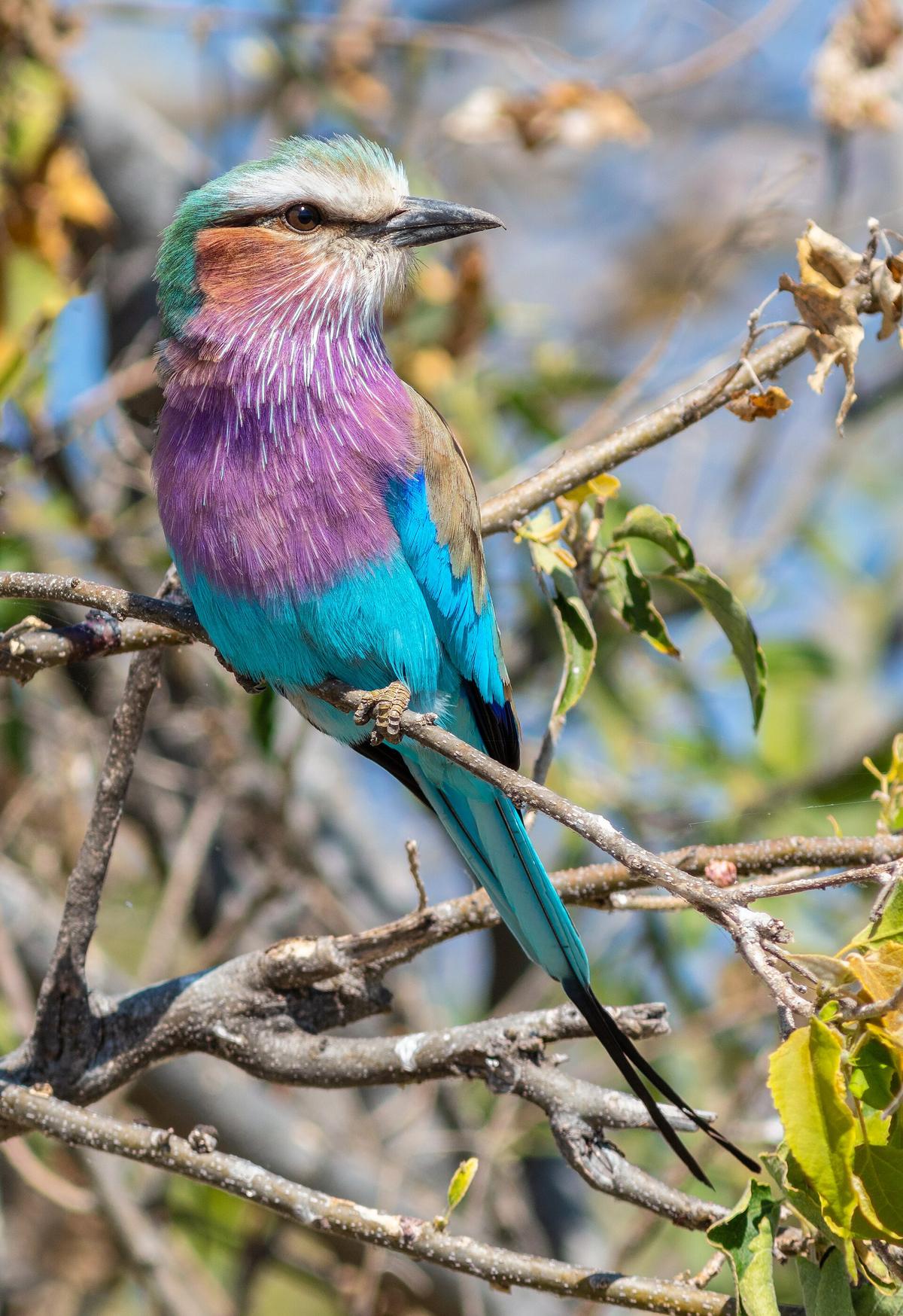

Designing a Self-Directed Journey Through Botswana
Botswana rewards travellers who plan ahead. A trip built around public campsites, self-drive routes and intercity buses is entirely possible, but it demands a clear understanding of the country's geography, its park administration and its cash economy. The following sections outline the practical building blocks for an independent itinerary, moving from entry requirements to on-the-ground logistics. The advice here assumes you are arranging your own transport, accommodation and park permits rather than booking a packaged safari.
Entry Rules and Health Documentation
British, US, Canadian and most European and Commonwealth passport holders can enter Botswana without a visa for stays of up to 90 days. Every visitor must carry a passport that is valid for at least six months beyond the date of arrival and that contains a minimum of three blank pages. A yellow fever vaccination certificate is mandatory only if you are arriving from or have transited through a country where yellow fever is endemic. If your routing does not touch a yellow fever zone, you do not need this document.


Managing Money and Access to Cash
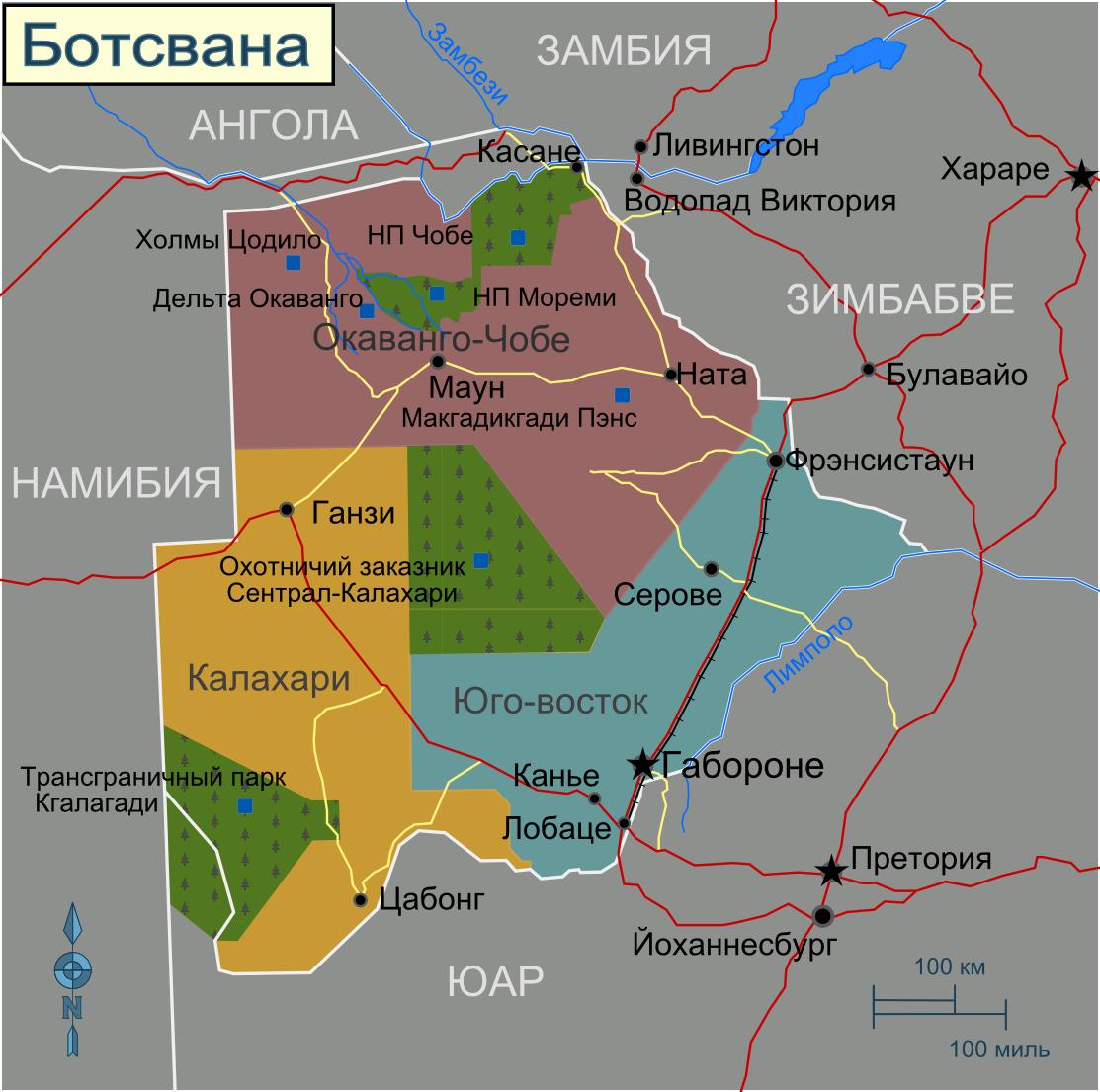
The national currency is the Botswana pula, which is divided into 100 thebe. US dollars are widely accepted at safari lodges and for tips, but you cannot rely on them for everyday purchases. Fuel stations, supermarkets and shops in small towns require payment in pula. ATMs that accept international Visa and Mastercard are reliably available in Gaborone, Maun, Kasane and Francistown. No ATMs exist inside any national park, the Okavango Delta or the Central Kalahari, so you must withdraw enough cash in the last major town before entering a protected area. The pula exchange rate fluctuates; check a live rate with the Bank of Botswana before exchanging money.
Choosing Your Transport and Understanding Road Conditions
Botswana's main tarred highways, the A1 from Gaborone to Francistown, the A3 from Francistown through Nata and Maun to Ghanzi, and the A33 from Nata to Kasane, are driveable in a normal sedan. The situation changes completely once you leave the tar. All major national parks and game reserves require a proper 4x4 with low range because of deep sand and, during the wet season, mud. There is no fuel for sale inside any national park or game reserve. The leg from Maun to Kasane through Moremi and Savuti has no filling stations and must be completed on fuel carried in the vehicle. If you are not bringing your own 4x4, you will need to rent one in Maun or Kasane and plan your fuel range carefully.
Understanding Park Fees and the Permit Process
Park entry fees in Botswana are calculated per person per day and per vehicle per day, and the system charges for the calendar day of departure as well as the day of arrival. A stay of n nights therefore incurs n+1 days of fees. Under the Department of Wildlife and National Parks fee schedule effective since 1 April 2022, non-resident adults pay P270 per person per day for Chobe National Park and Moremi Game Reserve, and P190 per person per day for all other parks and reserves. A foreign-registered vehicle under 3,500 kg pays a daily vehicle entry fee of P115 in Chobe and P75 in Moremi and all other parks; a Botswana-registered vehicle pays P30 in Chobe and P20 elsewhere.
A scheduled fee increase was postponed on 31 March 2026 and no new implementation date has been published. Because the rate may change without long notice, you should verify the current fee directly with the Department of Wildlife and National Parks before departure. The Maun reservations office on Sir Seretse Khama Road next to the police station is open Monday to Saturday from 07:30 to 12:45 and 12:45 to 16:30, and on Sundays from 07:30 to 12:00.
Campsites inside the national parks are mostly run by private concessionaires such as SKL Group, Xomae Group, Kwalate Safaris and Bigfoot Tours. You must book and pay the campsite directly with the operator. The Department of Wildlife and National Parks issues the park entry permit separately once the operator's invoice is submitted. Do not expect to arrive at a park gate without a pre-arranged campsite booking and obtain a permit on the spot.
Navigating Veterinary Checkpoints
Veterinary cordon fences cross Botswana to control foot-and-mouth disease. At these checkpoints, raw red meat and unpasteurised dairy may not be moved from north to south or west to east. Vehicles and footwear may be disinfected. When you are self-catering, buy your fresh provisions after crossing a veterinary line in the direction of travel that permits it, or plan meals that do not rely on restricted items. This is a biosecurity rule, not a customs formality, and it is enforced.
Connecting the Country by Air and Bus
Two airports serve as the main gateways for independent travellers heading to the northern parks. Maun Airport has non-stop scheduled flights to Johannesburg, Cape Town, Gaborone, Kasane, Windhoek, Addis Ababa and Livingstone, operated by Air Botswana, Airlink, CemAir and Ethiopian Airlines. Kasane Airport has non-stop flights to Johannesburg, Gaborone, Maun, Francistown and Victoria Falls, operated by Airlink, CemAir, Air Botswana and Mack Air. Flight schedules, frequencies and operating airlines are seasonal and subject to change, so confirm your routing with the airline or through a current flight tracking service close to your travel date.
For overland connections, the Gaborone to Maun bus journey takes approximately 10 hours. Operators on this route include AT&T Monnakgotla Transport and NKK Express. Bus schedules, departure times and fares are subject to change, and you should confirm details directly with the operator before travel. An overnight bus can save the cost of a night's accommodation, but it arrives in the early morning, which may leave you waiting before you can check into lodging or collect a rental vehicle.
Sources and verification
- gov.uk — Research source checked for this guide
- botswanatourism.co.bw — Research source checked for this guide
- botswanatourism.co.bw — Research source checked for this guide
- travelafrica.guide — Research source checked for this guide
- bwana.de — Research source checked for this guide
- visitchobepark.com — Research source checked for this guide
Read next
-
 Mwinilunga Travel Guide to Zambia’s Northwestern Borderlands and Markets
Plan Mwinilunga around its markets and overland routes, with candid advice on transport, accommodation, border access, and connectivity.
-
 Getting to Nauru, the Pacific State Where Air Schedules Define Your Stay
A logistics briefing on reaching Nauru by air — covering weekly flights from Brisbane and Honiara, visa-on-arrival requirements, and planning around fixed departure dates.
-
 Nauru, the Pacific Republic That Phosphate Built and Nearly Erased
Nauru is one of the Pacific's most overlooked republics. A candid guide to topside, Buada Lagoon, colonial history, and how to actually get there.
-
 Planning Independent Travel in the Wakhan Corridor, Tajikistan
Independent travel in Tajikistan's Wakhan Corridor: GBAO permits, road conditions from Ishkashim, realistic travel windows, and honest logistics for serious overlanders.