Tracing the Dahomey Kingdom from Abomey Royal Court to the Ouidah Coast
A practical guide to Tracing the Dahomey Kingdom from Abomey Royal Court to the Ouidah Coast.
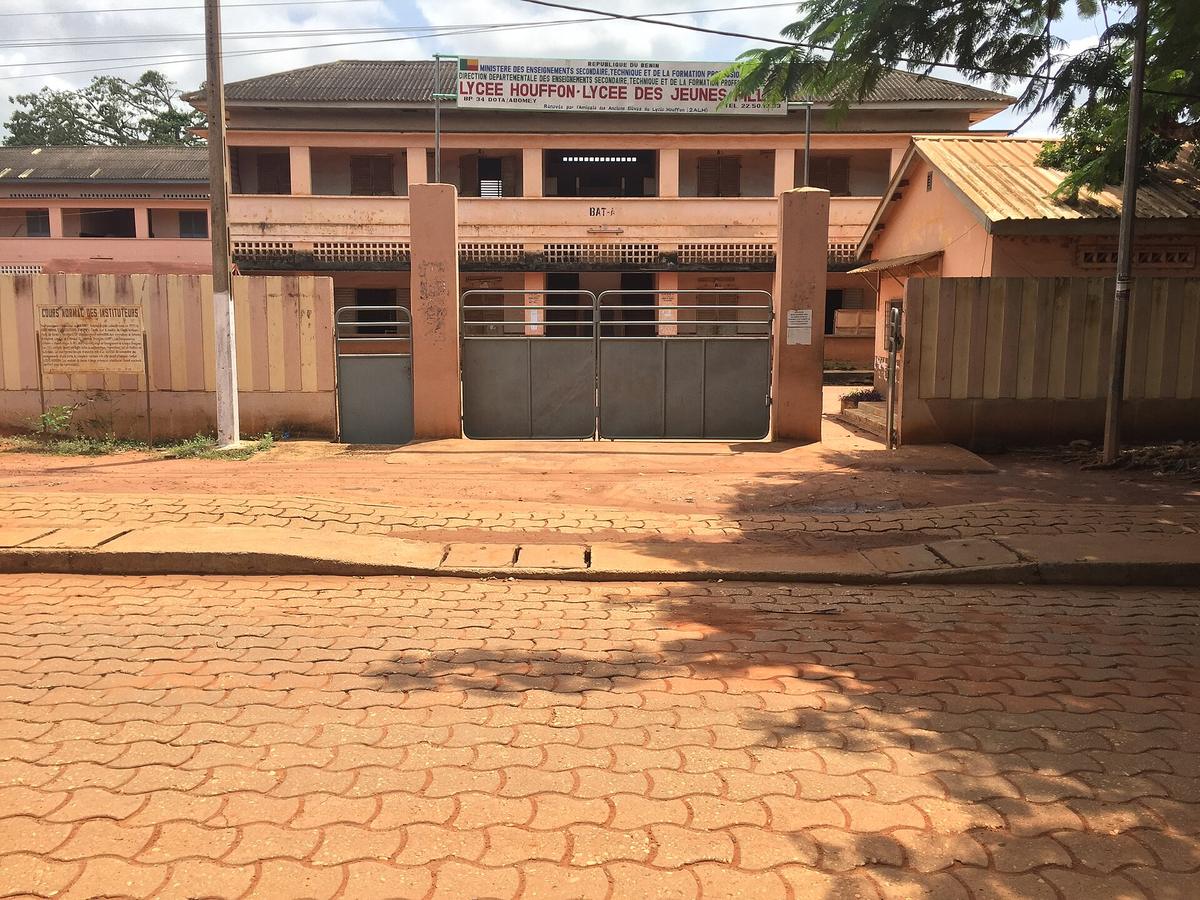

Why the Abomey to Ouidah route matters
The corridor linking Abomey to the Atlantic coast is not simply a line on a map. It traces the arc of the Kingdom of Dahomey, a powerful West African state that controlled a vast inland territory and, after 1727, the strategic port of Ouidah. Travelling this route today means following the same geography that shaped royal authority, military expansion and the traumatic history of the Atlantic slave trade. The journey connects two of Benin's most significant heritage sites: the UNESCO-listed Royal Palaces of Abomey, where twelve kings ruled from around 1625 to 1900, and the memorial landscape of Ouidah, where the slave route meets the ocean. Understanding one site deepens the experience of the other, and the road between them is a thread that pulls centuries of history into a single, coherent narrative.
The seat of power in Abomey
The Royal Palaces of Abomey cover 47 hectares and contain ten palaces built by successive Dahomean kings. Inscribed on the UNESCO World Heritage List in 1985, the complex is an architectural and symbolic record of a kingdom that shaped the region for nearly three centuries. Since 1943, the palaces of Kings Ghézo and Glèlè have housed the Historical Museum of Abomey, where visitors can see thrones, royal sceptres known as récades, weapons, appliqué hangings and ritual objects. The esplanade in front of these two palaces, called Place Singbodji, carries a heavier history: it was here that the king sorted captives before they began the long march south toward Ouidah and the slave ships. Standing on that ground, the distance to the coast feels both short and unbearably long.
Planning a visit to the palaces today
Access to the Royal Palaces is currently affected by a major heritage project. The Historical Museum of Abomey, housed in the palaces of Ghézo and Glèlè, closed in 2024 for construction work linked to the Museum of the Kings and Amazons of Danxomè, known as MuRAD. Partial access to certain areas may be possible, but which palaces are open at any given time is not fixed. Before travelling, check directly with the Agence Nationale de Promotion des Patrimoines et de Développement du Tourisme or the official Bénin Tourisme portal. This is not a site where you can rely on outdated information. A verified update from the managing authority is the only way to know what is accessible and what remains behind construction hoardings.
The road from Abomey to Ouidah
The straight-line distance between Abomey and Ouidah is roughly 92 kilometres, while the road distance is approximately 115 to 118 kilometres. Driving time typically falls between one hour forty-five minutes and two and a half hours, depending on road conditions and traffic. There is no direct public transport linking the two towns. The standard approach is to take a shared taxi from Abomey or nearby Bohicon south to Cotonou, then connect onward to Ouidah. An alternative is to hire a private car with a driver, which offers more control over stops and timing. Whichever option you choose, the route passes through a landscape that has carried royal messengers, armies and captives over centuries, and the practicalities of the journey today are a faint echo of that deeper history.
Ouidah and the coastal kingdom
The Kingdom of Dahomey conquered the coastal kingdom of Hueda in 1727 under King Agaja, transforming Ouidah into the principal port and commercial outlet for the Atlantic slave trade. This single event bound the inland capital to the coast in a political and economic system that would last well into the nineteenth century. Today, Ouidah carries that history in its memorials, its architecture and its Vodun traditions. The Portuguese Fort, built in 1721 as Fortaleza São João Baptista de Ajudá, stands as a physical reminder of European presence on this coast. It housed the Ouidah Museum of History from 1967 and is now being transformed into the International Museum of Memory and Slavery, with an opening projected for 2027. As of 2026, the fort is closed to visitors during this renovation, and no confirmed opening date has been announced. Check with the Ministère du Tourisme, de la Culture et des Arts or the ANPT before including it in your plans.
Walking the Slave Route of Ouidah
The Slave Route of Ouidah is a memorial trail of roughly four kilometres that runs from the former auction square, Place Chacha, to the beach. It is marked by six main stages: the Tree of Forgetting, the Zomaï hut, the Zoungbodji memorial, the Tree of Return and the Door of No Return. Each stop represents a ritual or psychological threshold imposed on captives before embarkation. The route ends at the beach, where the original Door of No Return memorial arch was inaugurated in November 1995. A larger gate, standing 16.32 metres high and 23 metres long, replaced it in December 2025. Walking this path is not a casual stroll; it is a deliberate act of remembrance that gains resonance when you have already stood at Place Singbodji in Abomey, where the sorting began.
Vodun and the Temple of Pythons
Ouidah is also a centre of Vodun practice, and the Temple of Pythons is one of its most visited sites. Dedicated to the deity Dangbé, the temple houses several dozen royal pythons and stands directly opposite the Basilica of the Immaculate Conception, built in 1909. The juxtaposition of a Vodun shrine and a Catholic basilica on the same street is a vivid illustration of the layered spiritual landscape in southern Benin. Entrance fees and opening hours for the temple are subject to change, and visitors should confirm them locally or through the official Bénin Tourisme portal before arriving. The same applies to guide availability along the Slave Route and at the Royal Palaces. These are not sites where you can assume a fixed schedule.
Connecting the two sites into one journey
Linking Abomey and Ouidah in a single itinerary is the most coherent way to grasp the geography of Dahomey's power. Start in Abomey to understand the kingdom's political and military centre, then travel south to see where that power projected onto the coast. The route itself is part of a larger heritage framework: in February 2021, Benin submitted a serial cultural property to the UNESCO Tentative List under the title "Sites marquants de la Route de l'Esclave au Bénin," which spans Abomey, Savè, Dassa-Zoumè, Kétou and Ouidah. This designation underscores that the individual sites are not isolated monuments but points along a continuous historical corridor. A traveller who visits only one end of this route sees a fragment. The full picture emerges when you move between them, tracing the same ground that defined a kingdom.
Sources and verification
- whc.unesco.org — Research source checked for this guide
- consulatdubenin.com — Research source checked for this guide
- whc.unesco.org — Research source checked for this guide
- jstor.org — Research source checked for this guide
- consulatdubenin.com — Research source checked for this guide
- ouidahorigins.com — Research source checked for this guide
Read next
-
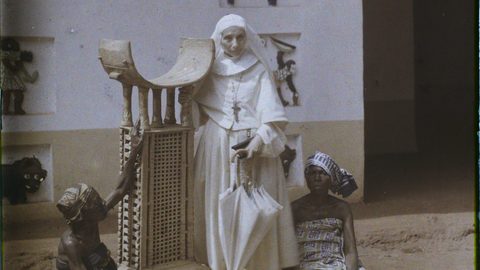
 Royal Palaces of Abomey
The UNESCO-listed Royal Palaces of Abomey are partly ruined but the surviving bas-reliefs tell the story of the Dahomey kingdom in vivid detail.
-
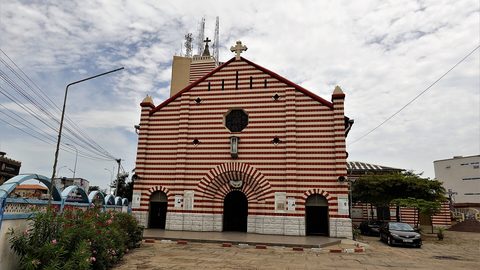 Benin End to End: Cotonou, the Vodun Coast and the Atakora Hills
Benin end to end: a travel guide for adventurous travellers covering Cotonou, the Vodun coast, the Dahomey palaces, and the remote Atakora hills.
-
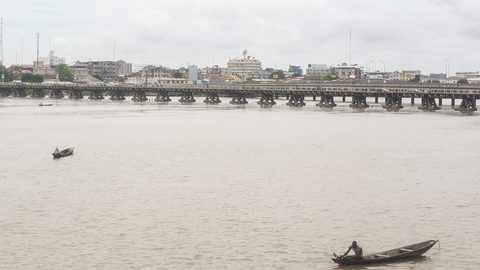 Benin Beyond Cotonou A Route Through Ouidah Abomey and Ganvie
A practical guide to Benin Beyond Cotonou A Route Through Ouidah Abomey and Ganvie.
-
 Abomey Beyond the Palaces the University Quarter and the Monday Market
A practical guide to Abomey Beyond the Palaces the University Quarter and the Monday Market.
-
 Mwinilunga Travel Guide to Zambia’s Northwestern Borderlands and Markets
Plan Mwinilunga around its markets and overland routes, with candid advice on transport, accommodation, border access, and connectivity.
-
 Getting to Nauru, the Pacific State Where Air Schedules Define Your Stay
A logistics briefing on reaching Nauru by air — covering weekly flights from Brisbane and Honiara, visa-on-arrival requirements, and planning around fixed departure dates.
-
 Nauru, the Pacific Republic That Phosphate Built and Nearly Erased
Nauru is one of the Pacific's most overlooked republics. A candid guide to topside, Buada Lagoon, colonial history, and how to actually get there.
-
 Planning Independent Travel in the Wakhan Corridor, Tajikistan
Independent travel in Tajikistan's Wakhan Corridor: GBAO permits, road conditions from Ishkashim, realistic travel windows, and honest logistics for serious overlanders.