Abomey Beyond the Palaces the University Quarter and the Monday Market
A practical guide to Abomey Beyond the Palaces the University Quarter and the Monday Market.
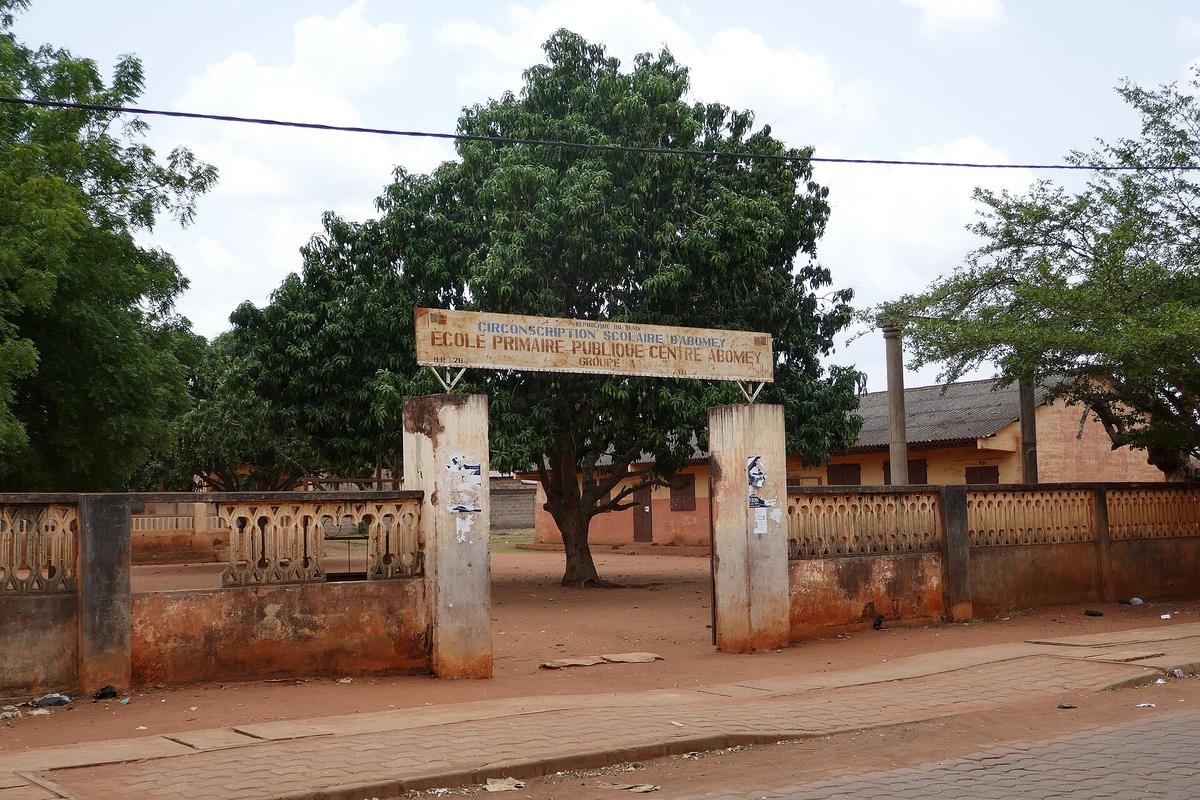

Two Abomeys, One Journey
Visitors to Benin often arrive with a single image in mind: the mud bas-reliefs and towering walls of the UNESCO-listed Royal Palaces. That Abomey, the historic capital of the Danxomè kingdom, sits roughly 121 kilometres north of the coast. But there is another Abomey, one that pulses with student energy, scientific research and a sprawling modern market. Abomey-Calavi, just 18 kilometres north of Cotonou, is home to the country's largest university and a rhythm of daily life that feels worlds apart from the palace courtyards. Understanding both places, and the two-hour road journey that connects them, reveals a Benin that is building its future while carefully restoring its past.
The University Quarter as a Living Campus
The University of Abomey-Calavi, known locally as UAC, anchors an entire commune in scholarship. Founded in 1970 as the Université du Dahomey, the institution was renamed Université Nationale du Bénin in 1975 before taking its current name in 2001. Today it is a city within a city, comprising 28 Teaching and Research Units, nine doctoral schools, three chairs and 64 laboratories. More than 67,000 students are taught by a faculty of 820, making it one of the largest academic communities in the region.
For a visitor, the campus offers a window into contemporary Beninese intellectual life rather than a curated tourist experience. The grounds are generally accessible on weekdays between 8:00 and 17:00, though certain academic buildings remain restricted. Since May 2024, students have been required to carry their ID cards on campus, a policy that underscores the university's working character. Casual visitors should expect to observe rather than participate, moving respectfully through a space designed for study and research.
A Botanical Garden Inside the Academy
Tucked within the UAC campus is the Édouard Adjanohoun Botanical and Zoological Garden, a 15-hectare green space created in the same year the university was founded. The garden serves both as a research facility and a quiet retreat from the academic bustle. Its collection supports teaching in botany and zoology, and the shaded paths offer a chance to see plant species from across Benin's climatic zones in one compact site.
If you plan to visit, you will need to confirm the current entry fee. A figure from 2023 suggested 200 FCFA for students and 400 FCFA for other visitors, but pricing may have changed. The responsible authority is the university administration; check the official UAC website or inquire at the campus entrance before arriving. The garden's value lies in its dual identity as a scientific collection and a peaceful campus corner, not in polished visitor facilities.
Getting Around the Campus
The UAC campus stretches wide enough that internal transport matters. During the academic year, which runs from 1 October to 31 July, the CENOU shuttle bus service operates on weekdays from 06:00 to 19:00 with departures at one-hour intervals. Tickets cost 100 FCFA per journey for eligible students. This service is designed for the university community, and its availability to casual visitors is not specified in the published operating rules. If you are exploring the campus on foot, plan your visit within the core daytime hours and be prepared for distances that may require more time than a quick stroll suggests.
The Monday Market and the Rhythm of Trade
In the historic town of Abomey, the Houndjro market carries a lineage that stretches back to around 1820, when King Guézo first established it. A major modernisation project has transformed the site into a vast commercial complex, inaugurated on 29 November 2025. The rebuilt market offers 1,756 sales spaces across 34,914 square metres, including 1,484 produce stalls and 238 shops. The scale signals ambition, but the market's operating rhythm after its reopening deserves careful attention.
Many markets in the Zou region, including those on the Abomey plateau, have traditionally followed a four-day rotating cycle rather than a fixed weekly schedule. The modernised Houndjro market may now operate daily, or it may have retained a cyclical pattern. The Agence Nationale de Gestion des Marchés, the national market management agency, is the authority to consult for the current schedule. Before making the two-hour drive from Abomey-Calavi, confirm locally whether the market will be active on your intended day. A closed market, no matter how impressive its infrastructure, offers little of the sensory immersion that makes West African markets memorable.
The Royal Palaces During Transformation
The Royal Palaces of Abomey, a UNESCO World Heritage site since 1985, span 47 hectares and contain ten palaces. They are the reason most travellers make the journey north. The Historical Museum, housed within the palaces of Kings Ghézo and Glélé, closed in 2024 for major renovation works tied to the Museum of the Kings and Amazons of Danxomè project, known as MuRAD. A possible reopening is projected for spring 2027.
This closure creates a planning challenge. The UNESCO designation covers the entire palace complex, but the museum's renovation means access to specific buildings is in flux. Before travelling, verify which palaces remain open by checking with Bénin Tourisme, the national tourism authority. The site's cultural weight is undiminished, but a visit during active construction requires realistic expectations. You may see scaffolding where you hoped to see bas-reliefs, and some courtyards may be inaccessible. The tradeoff is clear: visiting during the renovation means witnessing a historic site in the midst of its most significant upgrade in decades, but at the cost of full access.
Planning the Two-Hour Connection
The 121-kilometre road between Abomey-Calavi and Abomey takes approximately two hours by car. This distance shapes any itinerary that attempts to cover both the university quarter and the royal town. A practical approach is to spend the morning on the UAC campus and in its botanical garden, then drive north with the understanding that the palace visit requires advance verification of what is open. The market, if active, can fill the gaps left by closed museum galleries.
No single source can confirm current conditions across all three sites simultaneously. The university's garden fees, the market's operating days and the palace access points each depend on a different authority. Checking with UAC, the market management agency and Bénin Tourisme respectively will give you the clearest picture. The reward for this legwork is a day that moves from a living campus to a market founded by a 19th-century king to a palace complex reshaping itself for a new generation of visitors.
Sources and verification
- uac.bj — Research source checked for this guide
- en.wikipedia.org — Research source checked for this guide
- distancesfrom.com — Research source checked for this guide
- fr.wikipedia.org — Research source checked for this guide
- whc.unesco.org — Research source checked for this guide
- consulatdubenin.com — Research source checked for this guide
Read next
-
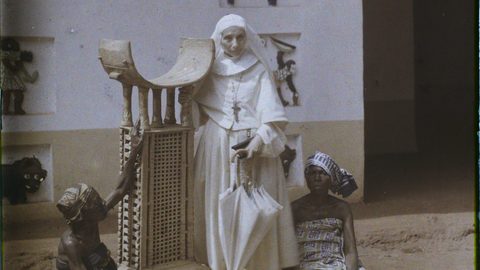
 Royal Palaces of Abomey
The UNESCO-listed Royal Palaces of Abomey are partly ruined but the surviving bas-reliefs tell the story of the Dahomey kingdom in vivid detail.
-
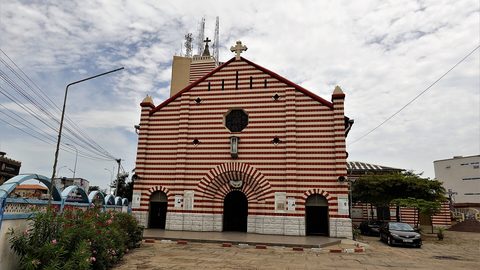 Benin End to End: Cotonou, the Vodun Coast and the Atakora Hills
Benin end to end: a travel guide for adventurous travellers covering Cotonou, the Vodun coast, the Dahomey palaces, and the remote Atakora hills.
-
 Benin Beyond Cotonou A Route Through Ouidah Abomey and Ganvie
A practical guide to Benin Beyond Cotonou A Route Through Ouidah Abomey and Ganvie.
-
 Mwinilunga Travel Guide to Zambia’s Northwestern Borderlands and Markets
Plan Mwinilunga around its markets and overland routes, with candid advice on transport, accommodation, border access, and connectivity.
-
 Getting to Nauru, the Pacific State Where Air Schedules Define Your Stay
A logistics briefing on reaching Nauru by air — covering weekly flights from Brisbane and Honiara, visa-on-arrival requirements, and planning around fixed departure dates.
-
 Nauru, the Pacific Republic That Phosphate Built and Nearly Erased
Nauru is one of the Pacific's most overlooked republics. A candid guide to topside, Buada Lagoon, colonial history, and how to actually get there.
-
 Planning Independent Travel in the Wakhan Corridor, Tajikistan
Independent travel in Tajikistan's Wakhan Corridor: GBAO permits, road conditions from Ishkashim, realistic travel windows, and honest logistics for serious overlanders.