Burkina Faso Cultural Sites and the Safety Checks to Make First
A practical guide to Burkina Faso Cultural Sites and the Safety Checks to Make First.

Understanding Burkina Faso’s cultural wealth
Burkina Faso holds a remarkable concentration of cultural and natural heritage that few outside West Africa fully appreciate. The country has four UNESCO World Heritage Sites, each representing a distinct chapter of human ingenuity and ecological significance. These sites range from ancient fortified settlements to living royal courts, from early ironworking centres to vast protected savanna ecosystems shared with neighbouring nations.
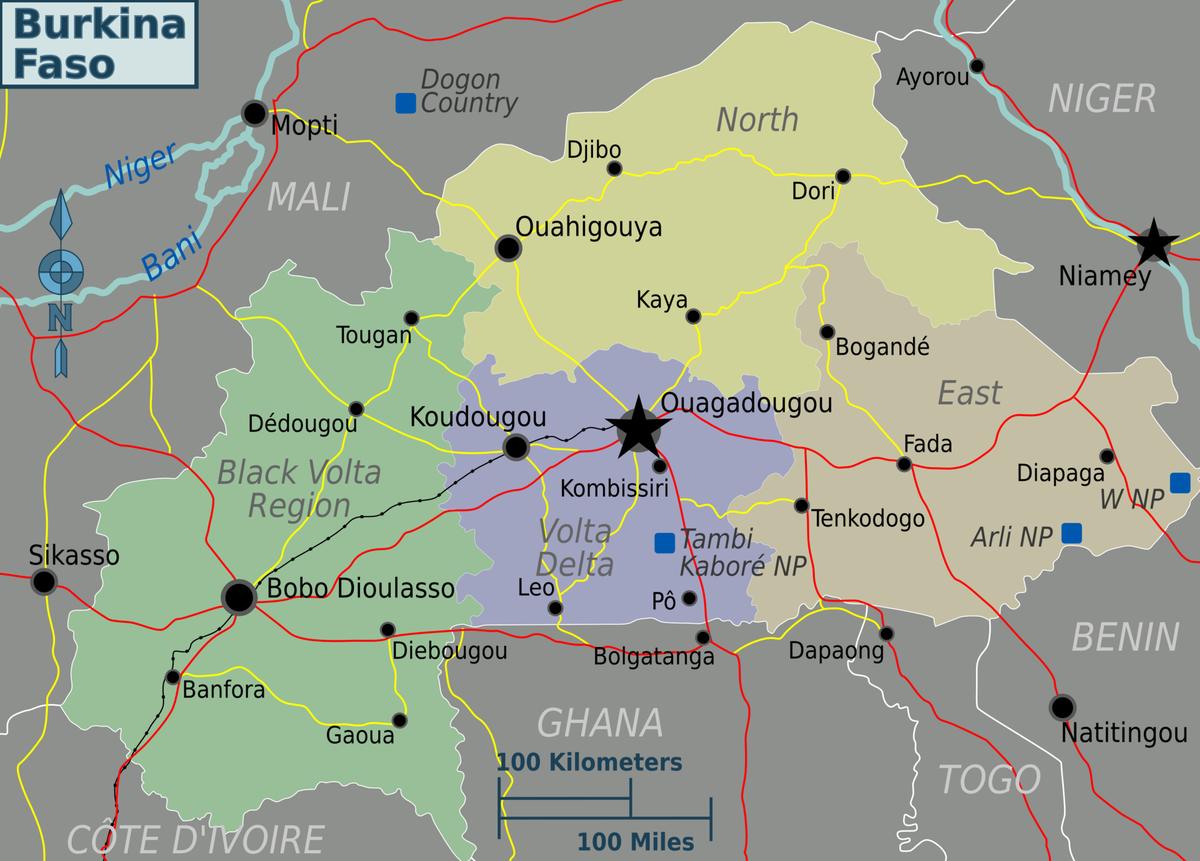
The Royal Court of Tiébélé, inscribed as a UNESCO site in 2024, stands as the most recent addition to this list. This 16th-century earthen architectural complex of the Kasena people lies approximately 172 kilometres south of Ouagadougou and about 15 kilometres north of the Ghana border. Its elaborately decorated walls represent a living tradition of craftsmanship and social organisation that has endured for centuries.
The Ruins of Loropéni, Burkina Faso's first UNESCO site inscribed in 2009, offer a different window into the past. This fortified settlement features laterite stone walls reaching up to six metres in height, enclosing an area of 11,130 square metres. Located about 40 kilometres west of Gaoua in the Sud-Ouest region, the site raises questions about the trans-Saharan gold trade and the societies that controlled these routes long before European contact.
The Ancient Ferrous Metallurgy Sites of Burkina Faso, added to the World Heritage list in 2019, push the timeline of sophisticated ironworking even further back. The five properties include Douroula, which dates to the 8th century BCE, alongside four other sites from the second millennium CE. These are spread across the Nord and Centre-Nord regions, demonstrating that large-scale metal production flourished here for over two millennia.
The W-Arly-Pendjari Complex represents the natural heritage dimension. This transnational site, shared with Benin and Niger, protects Sudano-Sahelian savanna ecosystems and supports populations of elephant, lion, cheetah, and African wild dog. The Burkinabè portion centres on Arli National Park, forming part of one of West Africa's most important conservation landscapes.
Cultural events that shape the national calendar
Beyond fixed heritage sites, Burkina Faso's cultural calendar features two major international events that draw visitors from across Africa and beyond. The Panafrican Film and Television Festival of Ouagadougou, known universally as FESPACO, is a biennial event held in odd-numbered years. The 29th edition took place from 22 February to 1 March 2025 in the capital, reinforcing Ouagadougou's reputation as a centre of African cinema.
The International Handicrafts Fair of Ouagadougou, or SIAO, operates on a different biennial cycle as a trade show for African arts and crafts. The18th edition is scheduled from30 October to8 November2026 at the SIAO site in Ouagadougou. For anyone planning travel around these events, checking the respective official websites for future dates is essential, as schedules can shift between editions.
The security reality and what it means for planning
Any discussion of visiting Burkina Faso's cultural sites must begin with the current security situation. Multiple Western governments have issued their strongest possible warnings against travel to the country. The UK Foreign, Commonwealth and Development Office advises against all travel to Burkina Faso, citing the threat of terrorist attacks, terrorist kidnap, and the unstable political situation. The US Department of State has issued a Level4 Do Not Travel advisory, pointing to crime, kidnapping, terrorism, and health risks.
The Government of Canada similarly advises against all travel, noting that a state of emergency is in effect in eight regions including Centre-Nord, Est, Sahel, and Hauts-Bassins. The German Federal Foreign Office warns against travel to all of Burkina Faso except Ouagadougou and Bobo-Dioulasso, and strongly advises against using the N1 road between those two cities.
These are not routine cautions. They reflect a genuinely volatile environment where the ability of any visitor to move safely between cultural sites cannot be assumed. The suspension of visas for US citizens with limited exceptions, as reported by the US Department of State as of30 December2025, adds a further administrative barrier that may affect travellers from other jurisdictions if policies shift.
How to approach a travel decision responsibly
Given the severity of official warnings, the decision to travel to Burkina Faso requires a fundamentally different approach than planning a trip to a stable destination. The first step is to consult your own national foreign ministry for its current assessment. Security conditions can change rapidly, and a government advisory issued six months ago may no longer reflect the situation on the ground.
If you determine that travel is appropriate for your circumstances, the next practical step is verifying visa requirements through the official Burkina Faso eVisa platform or the nearest Burkina Faso embassy. Eligibility, fees, and application procedures are not static, and relying on outdated information risks being denied entry or facing complications at the border.
Health preparation is equally non-negotiable. All travellers aged nine months and over must present a valid International Certificate of Vaccination, commonly called a yellow card, proving yellow fever vaccination to enter Burkina Faso. This requirement operates under International Health Regulations and is enforced at ports of entry. Checking with a designated Yellow Fever Vaccination Centre or your national travel health authority for any additional requirements is a necessary precaution.
Reaching the country and moving within it
Ouagadougou Thomas Sankara International Airport serves as Burkina Faso's main international gateway. Airlines operating direct flights include Brussels Airlines to Brussels, Turkish Airlines to Istanbul, Ethiopian Airlines to Addis Ababa, Royal Air Maroc to Casablanca, and several carriers serving West African capitals. Flight schedules and route availability are subject to change, and verifying current operations with the airline or the Agence Nationale de l'Aviation Civile of Burkina Faso is a necessary step before booking.
Once in the country, the official national tourism authority, the Office National du Tourisme Burkinabè based in Ouagadougou, is the primary source for visitor information. However, the security advisories that apply to the country as a whole also constrain movement between sites. The German warning against using the N1 road between Ouagadougou and Bobo-Dioulasso illustrates that even major transport corridors may carry risks that official sources consider unacceptable.
Sources and verification
- whc.unesco.org — Research source checked for this guide
- whc.unesco.org — Research source checked for this guide
- whc.unesco.org — Research source checked for this guide
- whc.unesco.org — Research source checked for this guide
- fespaco.bf — Research source checked for this guide
- siao.bf — Research source checked for this guide
Read next
-
 Mwinilunga Travel Guide to Zambia’s Northwestern Borderlands and Markets
Plan Mwinilunga around its markets and overland routes, with candid advice on transport, accommodation, border access, and connectivity.
-
 Getting to Nauru, the Pacific State Where Air Schedules Define Your Stay
A logistics briefing on reaching Nauru by air — covering weekly flights from Brisbane and Honiara, visa-on-arrival requirements, and planning around fixed departure dates.
-
 Nauru, the Pacific Republic That Phosphate Built and Nearly Erased
Nauru is one of the Pacific's most overlooked republics. A candid guide to topside, Buada Lagoon, colonial history, and how to actually get there.
-
 Planning Independent Travel in the Wakhan Corridor, Tajikistan
Independent travel in Tajikistan's Wakhan Corridor: GBAO permits, road conditions from Ishkashim, realistic travel windows, and honest logistics for serious overlanders.