Tachila Nature Reserve: what game is actually in it, minutes from Francistown
Tachila Nature Reserve offers giraffe, zebra, and antelope sightings on walking trails just fifteen minutes from central Francistown, a quick bush escape not a Big Five safari.

Tachila Nature Reserve: What Game is Actually in It, Minutes from Francistown
You can drive from Francistown’s city centre to the Tachila Nature Reserve gate in under twenty minutes, and you will not see a lion, leopard, cheetah, or any other big cat. This is the single most useful fact about the reserve, because it saves you from the wrong expectation. Tachila is not a safari substitute. It is an 8,000-hectare community conservation project opened in 2019, managed by a local trust, and designed for a half-day bush fix when you are stuck in town or passing through. The game is real but modest. The value is in the access: you can walk trails, cycle tracks, and picnic under acacia shade without the planning, cost and dust of a full wilderness reserve. If you need a Big Five checklist, drive north to Khama Rhino Sanctuary or fly to Maun. If you want to stretch your legs in the bush between meetings or errands, Tachila works.
- Location: Outskirts of Francistown, Botswana
- Area: 8,000 hectares
- Opened: 2019
- Management: Community conservation project
- Designation: Not a national park
- Opening Hours: 06:00 to 18:00 daily
- Entry Fee (Adult Non Resident, 2024 rate): BWP 100 per person per year. Published by the reserve management.
- Entry Fee (Child Non Resident, 2024 rate): BWP 50 per child per year. Published by the reserve management.
- Entry Fee (Adult Resident, 2024 rate): BWP 50 per person per year. Published by the reserve management.
- Entry Fee (Child Resident, 2024 rate): BWP 25 per child per year. Published by the reserve management.
- Suitable For: Families, walkers, cyclists, day visitors
- Available Activities: Walking trails, cycling, picnicking
What Wildlife You Will Actually See
Herbivores On The Ground
The reserve’s herbivore population is the main draw. Giraffe move through the mopane and acacia woodland. Arrive by 08:30 while the animals are still active and you will spot them from the main loop. Zebra graze in small herds on the open flats. Eland, the largest antelope in southern Africa, are present but shyer: walk the longer trail or cycle the boundary route to find them before the heat of midday. Impala are the most common sighting. For most visitors they are the species that fills the gap between the waterhole and the picnic spot. There are no buffalo, no elephants, no rhinos. No predators larger than black-backed jackal and the occasional side-striped jackal.
Birdlife And What To Carry
Birdlife is the reserve’s strong suit: look for crimson-breasted shrike, white-browed sparrow-weaver, and the ubiquitous grey go-away-bird. Keep binoculars in the car.
Rangers patrol on foot and can point out tracks and scat. Do not expect guided game drives. Tachila is not set up for vehicle safaris. You drive your own car on the gravel tracks, stop at the marked viewpoints, and proceed at your own pace. A high-clearance vehicle is useful after rain. It is not essential in dry conditions. The dust is fine and red. It coats everything. Bring water, a hat, and a cloth for sunglasses.
Walking Trails, Cycling and Picnic Sites: How to Spend Four Hours
Walking The Trails
Skip the gate entry at 14:00. The heat lowers animal activity and raises your discomfort. Arrive by 08:00 instead. The walking trails are short, unmarked in places, and best done in the first two hours after opening. The main walking loop takes about ninety minutes at a slow pace with stops. You are allowed to walk without a guide, which is rare in Botswana, but keep to the trail and carry a whistle. Rangers are reachable by radio if you need assistance.
Cycling Inside The Reserve
Cycling is permitted on all vehicle tracks. Bring your own mountain bike or rent one from Francistown outfitters before you drive out. The terrain is flat to gently rolling, and the full circuit is around fifteen kilometres. You will see more on a bike than in a car, especially zebra and eland that spook at engine noise. Start before 07:00 to finish by 10:00. Carry two litres of water per person. There is no bike repair station at the gate.
The Picnic Sites
Two designated picnic areas sit under thatch shelters near the eastern boundary. Each has a concrete table and a braai stand. No running water. No electricity. Bring a packed lunch, charcoal if you want to grill, and garbage bags. There are no shops inside the reserve. The picnic spots are basic but uncrowded: you will share the space with at most one other group. Use them as a midday break before the drive back into town. The shade is adequate, the wind picks up by 11:00, and the view across the flats toward the Tati River course is the best on the property.
Directions and Practical Details
Getting There
From Francistown’s city centre, take the N1 north toward the Matsiloje border post. After approximately twelve kilometres, turn right onto a gravel road marked by a brown tourism sign reading Tachila Nature Reserve. Follow that gravel road for five kilometres. The gate is on your left. The total drive is eighteen to twenty-two minutes depending on your starting point. There is no public transport to the reserve. You need your own vehicle or a hired car.
Fees And Payment
The entry fee is paid per person per year, not per visit. The adult non-resident rate was BWP 100, the child non-resident rate was BWP 50, the adult resident rate was BWP 50, and the child resident rate was BWP 25. These rates are published by the reserve management and revised annually. Pay in cash at the gate. There is no card machine. Keep the receipt: it is valid for multiple entries within the calendar year. If you are in Francistown for more than a few days, the annual pass makes a second or third visit effectively free.
Hours And Rules
The reserve opens at 06:00 and closes at 18:00 daily. Rangers lock the gate at 18:00 exactly. Do not test this. If you are inside when the gate closes, you walk out or sleep in the car. There are no overnight facilities and no accommodation inside the reserve boundaries.

_female_with_young_2_months.jpg)
Common Questions
Can you see elephants at Tachila Nature Reserve?
No. There are no elephants in the reserve. The large herbivores present are giraffe, zebra, eland, and impala. Tachila is a small community reserve, not a national park, and it lacks the space or migration corridors for elephant herds.
Is Tachila Nature Reserve safe for solo walkers?
Yes, with precautions. The reserve has no big cats and no buffalo, so the main risks are dehydration, heatstroke, and getting turned around on unmarked trails. Arrive early, carry two litres of water, tell a ranger your route, and keep a whistle. Rangers patrol but are not stationed at every trailhead.
How much time should I budget for a visit to Tachila Nature Reserve?
Budget four hours. Arrive at 08:00, drive the vehicle loop or cycle the tracks for two hours, walk a short trail for ninety minutes, use the picnic site for thirty minutes, and leave by 12:00. A longer stay risks the heat and reduced animal activity of the afternoon.
Can I enter Tachila Nature Reserve without a vehicle?
You need your own vehicle or a hired car. There is no public transport to the gate, and the reserve does not offer transfers. A standard sedan can manage the gravel road in dry conditions. After heavy rain, a 4x2 with high clearance is advisable.
What is the best time of year to visit Tachila Nature Reserve?
The dry winter months, May through August, offer the best game viewing because animals concentrate around remaining water sources and the bush is less dense. Summer rains from November to March bring green vegetation and more birds but make gravel tracks slippery and reduce visibility for spotting game.
Read next
-
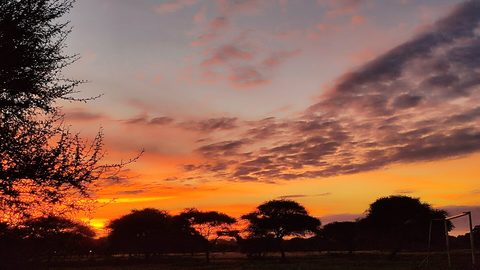
 Botswana Beyond the Delta Towns Museums and the Roads Between Them
Botswana is more than the Okavango Delta—its large villages, museums, and long roads reveal a country of deep history and quiet cultural riches.
Botswana Beyond the Delta Towns Museums and the Roads Between Them
Botswana is more than the Okavango Delta—its large villages, museums, and long roads reveal a country of deep history and quiet cultural riches.
-
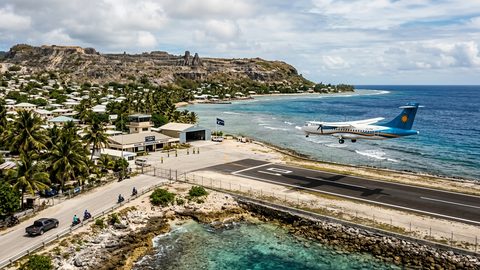 Getting to Nauru, the Pacific State Where Air Schedules Define Your Stay
A logistics briefing on reaching Nauru by air — covering weekly flights from Brisbane and Honiara, visa-on-arrival requirements, and planning around fixed departure dates.
Getting to Nauru, the Pacific State Where Air Schedules Define Your Stay
A logistics briefing on reaching Nauru by air — covering weekly flights from Brisbane and Honiara, visa-on-arrival requirements, and planning around fixed departure dates.
-
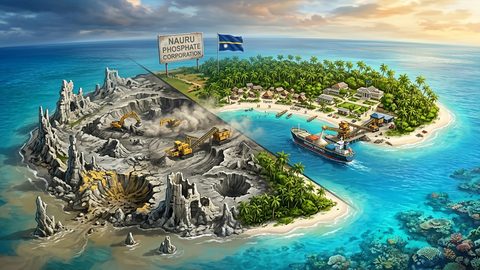 Nauru, the Pacific Republic That Phosphate Built and Nearly Erased
Nauru is one of the Pacific's most overlooked republics. A candid guide to topside, Buada Lagoon, colonial history, and how to actually get there.
Nauru, the Pacific Republic That Phosphate Built and Nearly Erased
Nauru is one of the Pacific's most overlooked republics. A candid guide to topside, Buada Lagoon, colonial history, and how to actually get there.
-
 Planning Independent Travel in the Wakhan Corridor, Tajikistan
Independent travel in Tajikistan's Wakhan Corridor: GBAO permits, road conditions from Ishkashim, realistic travel windows, and honest logistics for serious overlanders.
Planning Independent Travel in the Wakhan Corridor, Tajikistan
Independent travel in Tajikistan's Wakhan Corridor: GBAO permits, road conditions from Ishkashim, realistic travel windows, and honest logistics for serious overlanders.