Kota Falls Near Natitingou, Reaching the Cascade and Timing the Flow
Kota Falls near Natitingou is a seasonal cascade in the Atakora hills; outside the rainy months the water slows to a trickle and the track is rough.
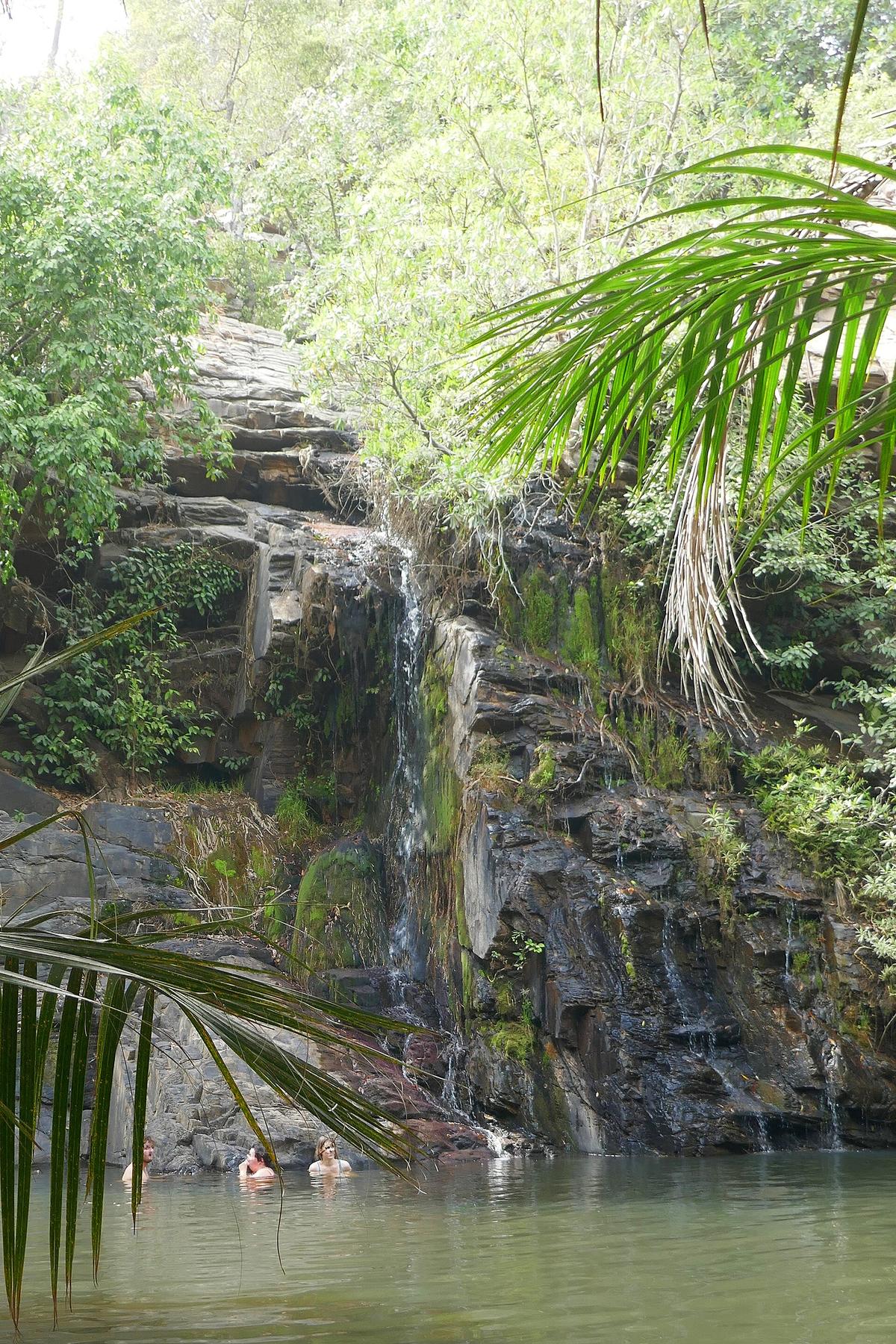

The Dry Season at Kota Falls
Most online listings for Kota Falls skip the only fact that matters. They show a photograph of water plunging 20 metres into a green pool, and they do not mention that for half the year the cliff face is dry. Do not arrive in January, February, or March expecting a cascade. By the time the harmattan winds settle over the Atakora, the falls have already shrunk to a stain on the rock. The water runs from July through September, when the rains saturate the highlands, and it holds into October. After that, the flow drops fast. Knowing exactly when to go, how to get there, and what you will find when you do makes all the difference.
- Height: Approx. 20, 25 m
- Swimming: Possible in the plunge pool but not widely promoted; submerged rocks and variable depth make it risky
- Access Track: Unpaved track south from Natitingou, approx. 10, 15 km
- 4x4 Required: Recommended in wet season (July, September); 2WD may be passable in dry season
- Peak Flow Season: July, September
- Low Flow Season: Thin by March; may reduce to a trickle in very dry years
- Local Guide: Required; arranged in Natitingou or at the nearest village
- Guide Cost (2025 Rate): CFA 2,000, 5,000 per group, negotiable
- Comparison With Tanougou Falls: Tanougou Falls is higher (approx. 30 m), has easier road access, more established tourist infrastructure, and is more frequently included in itineraries
When the Water Actually Flows
Plan your trip for July, August, or September. Those three months deliver the strongest flow. By October the volume drops. November and December offer a thin but present stream. January through March is a gamble that loses. In a very dry year the falls disappear entirely by March. The 2025 rainy season pattern held to this schedule. Expect the same rhythm now.
The dry season paradox works against you. December through February is peak tourist season across Benin because the roads are firm and the humidity is low. Kota Falls is a wet season destination. You have to choose. Endure the mud and risk the track to see the water, or skip the falls and enjoy the rest of the Atakora without slipping on laterite. No month delivers both an easy drive and a full cascade.
Reaching Kota Falls from Natitingou in the Dry Season
The track runs south from Natitingou, roughly 10 to 15 kilometres of unpaved laterite. In the dry season a 2WD sedan can manage it if you drive slowly and pick your line. In July through September you need a 4x4. The surface turns to mud, and the ruts deepen. A zemidjan driver will take you for a negotiated fare, but expect to pay more than the standard town rate. The track is rough on the bike and the driver loses half a day. Arrange the ride the evening before, and agree on the price in advance. Drivers in Natitingou know the way to Kota Falls, but they will ask you to confirm the turning at the nearest village. Say the village name clearly and point south.
Hiring A Local Guide at Kota Falls
You cannot visit without a guide. Arrange one in Natitingou or at the settlement closest to the falls. The 2025 rate sat at CFA 2,000 to CFA 5,000 per group, and the price is negotiable. Do not skip this. A local guide stops you wasting time on the wrong path, and they know where the pool is safe to enter. Pay in cash in small denominations. No guide will have change for a CFA 10,000 note.
What You Find At The Site
There are no facilities. No toilet. No stall selling drinks. No shade structure. Carry water and a snack. Bring your own toilet paper and a small plastic bag to pack out what you bring in. The base of the falls is a natural plunge pool. Swimming is possible. The depth changes with the season, and submerged rocks sit just below the surface. Enter slowly, feet first. Do not dive.
How Kota Falls Compares to the Alternative
Tanougou Falls sits roughly 30 metres high, has a better road, and appears in more tour itineraries. It is the easier choice. If your time in the Atakora is limited to one day and you want a guaranteed swim, pick Tanougou. If you have extra time, want to avoid crowds, and accept that Kota might be a trickle, then Kota Falls rewards the effort. It is a nature walk, not a spectacle. Treat it as a refreshing cool season excursion for a half day, not a destination that justifies a long detour from Cotonou.

| Feature | Kota Falls | Tanougou Falls |
|---|---|---|
| Height | Approx. 20–25 m | Approx. 30 m |
| Road Access | Unpaved track, 4x4 recommended in wet season | Easier road, more passable |
| Infrastructure | None | More established tourist facilities |
| Tour Frequency | Rarely included in standard itineraries | Frequently included in itineraries |
Common Questions
Does Kota Falls have water in December?
A thin flow sometimes remains, but it is a gamble. By December the heavy rains have ended, and the volume drops fast. Do not travel to the Atakora in December expecting a full cascade.
Can I drive to Kota Falls with a regular car?
In the dry season, yes, a 2WD sedan can manage the track if you drive slowly. In the wet season, July through September, you need a 4x4. The mud and ruts stop regular cars.
Do I need a guide to reach the falls?
Yes. You must arrange a local guide in Natitingou or at the nearest village. The 2025 rate was CFA 2,000 to CFA 5,000 per group, negotiable. Pay in cash in small denominations.
Is it safe to swim in the plunge pool?
Swimming is possible but not widely promoted. Submerged rocks and variable depth make it risky. Enter slowly, feet first, and do not dive.
What facilities are at Kota Falls?
None. No toilets, no food stalls, no shade structure. Carry water, snacks, toilet paper, and a bag for your waste.
How does Kota Falls compare to Tanougou Falls?
Tanougou Falls is higher at 30 metres, has easier road access, more tourist infrastructure, and appears in more itineraries. Kota Falls is rougher and quieter. If you only have time for one, choose Tanougou.
What is the best time of year to see the water flowing?
July through September. The rainy season feeds the cascade. After October the flow diminishes rapidly and by March it reduces to a trickle or disappears entirely.
Read next
-
 Benin End to End: Cotonou, the Vodun Coast and the Atakora Hills
Benin end to end: a travel guide for adventurous travellers covering Cotonou, the Vodun coast, the Dahomey palaces, and the remote Atakora hills.
Benin End to End: Cotonou, the Vodun Coast and the Atakora Hills
Benin end to end: a travel guide for adventurous travellers covering Cotonou, the Vodun coast, the Dahomey palaces, and the remote Atakora hills.
-
 Getting to Nauru, the Pacific State Where Air Schedules Define Your Stay
A logistics briefing on reaching Nauru by air — covering weekly flights from Brisbane and Honiara, visa-on-arrival requirements, and planning around fixed departure dates.
Getting to Nauru, the Pacific State Where Air Schedules Define Your Stay
A logistics briefing on reaching Nauru by air — covering weekly flights from Brisbane and Honiara, visa-on-arrival requirements, and planning around fixed departure dates.
-
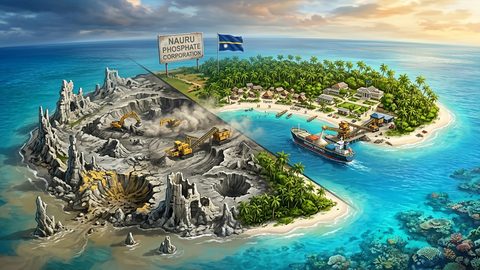 Nauru, the Pacific Republic That Phosphate Built and Nearly Erased
Nauru is one of the Pacific's most overlooked republics. A candid guide to topside, Buada Lagoon, colonial history, and how to actually get there.
Nauru, the Pacific Republic That Phosphate Built and Nearly Erased
Nauru is one of the Pacific's most overlooked republics. A candid guide to topside, Buada Lagoon, colonial history, and how to actually get there.
-
 Planning Independent Travel in the Wakhan Corridor, Tajikistan
Independent travel in Tajikistan's Wakhan Corridor: GBAO permits, road conditions from Ishkashim, realistic travel windows, and honest logistics for serious overlanders.
Planning Independent Travel in the Wakhan Corridor, Tajikistan
Independent travel in Tajikistan's Wakhan Corridor: GBAO permits, road conditions from Ishkashim, realistic travel windows, and honest logistics for serious overlanders.