The North America That Isn't the United States
North America beyond the United States: a guide to Mexico, Central America, and the indigenous north that most travellers overlook.
The Continent Beyond the US Visa Fee
The 2024 ESTA fee for the United States was 21 USD, valid for two years. That single number reveals the problem with how most travellers think about this continent. The USA is a visa regime and a handful of coastal cities. It is not the whole story. North America runs from the Arctic Circle to the Panama Canal, and the parts that fall outside the US interstate loop are where the continent's real texture lives: Mexico's colonial highlands, Central America's volcanic spine, and Canada's northern territories. The United States is one country among many, not the default. Your itinerary should do the same.
- ESTA (USA) Fee & Validity (2024): 21 USD; 2 years from approval or until passport expiry
- eTA (Canada) Fee & Validity (2024): 7 CAD; 5 years or until passport expiry
- Mexico FMM Tourist Card Fee & Validity (2024): 717 MXN (approx. 42 USD); 180 days maximum
- CA-4 Visa-Free Stay Limit: 90 days across Guatemala, El Salvador, Honduras, and Nicaragua
- US-Canada Land Border Documents: Passport, passport card, Enhanced Driver's License, or NEXUS card
- US-Mexico Land Border Document (US Citizens): Passport or passport card
- Hurricane Season Atlantic Basin: 1 June to 30 November; peak mid-August to late October
Why Mexico City First, Not Cancun
Start In The Capital
Fly into Mexico City. At 2,250 meters elevation, the air is thin and the city is dense with reasons to stay for a week. The Historic Centre of Mexico City and Xochimilco were inscribed as a UNESCO World Heritage Site in 1987, and they demand more than a photo stop. Book a morning at the Zocalo before the crowds arrive, then take a trajinera through the canals of Xochimilco by 11:00, when the light is best and the vendors are still setting up. Skip the tourist-bundled night tours. They cost triple and rush the canals. The dry season runs November to April, which makes December through February the best window for clear skies and comfortable walking. The rainy season from June to September means afternoon downpours, but the city empties out and hotel rates drop.
Oaxaca By Bus
From Mexico City, take the ADO bus to Oaxaca. The 460 kilometer drive takes 6 to 7 hours. Oaxaca's Historic Centre and the archaeological site of Monte Alban were jointly inscribed as a UNESCO site in 1987. Arrive by 08:00 at Monte Alban to beat the tour buses that arrive around 10:30. The site sits on a flattened hilltop with views across three valleys; the morning light makes the stone reliefs legible from the main plaza. Do not skip the Museo de las Culturas de Oaxaca inside the Santo Domingo complex. The museum holds the Mixtec gold from Tomb 7, and the context it provides changes how you read the ruins. Budget two days in Oaxaca itself. Then book the overnight ADO/OCC bus to San Cristobal de las Casas. The 580 kilometer ride takes 11 to 12 hours. Pay for the first-class ticket with reclining seats; the difference in sleep quality is the difference between arriving functional and wrecked.
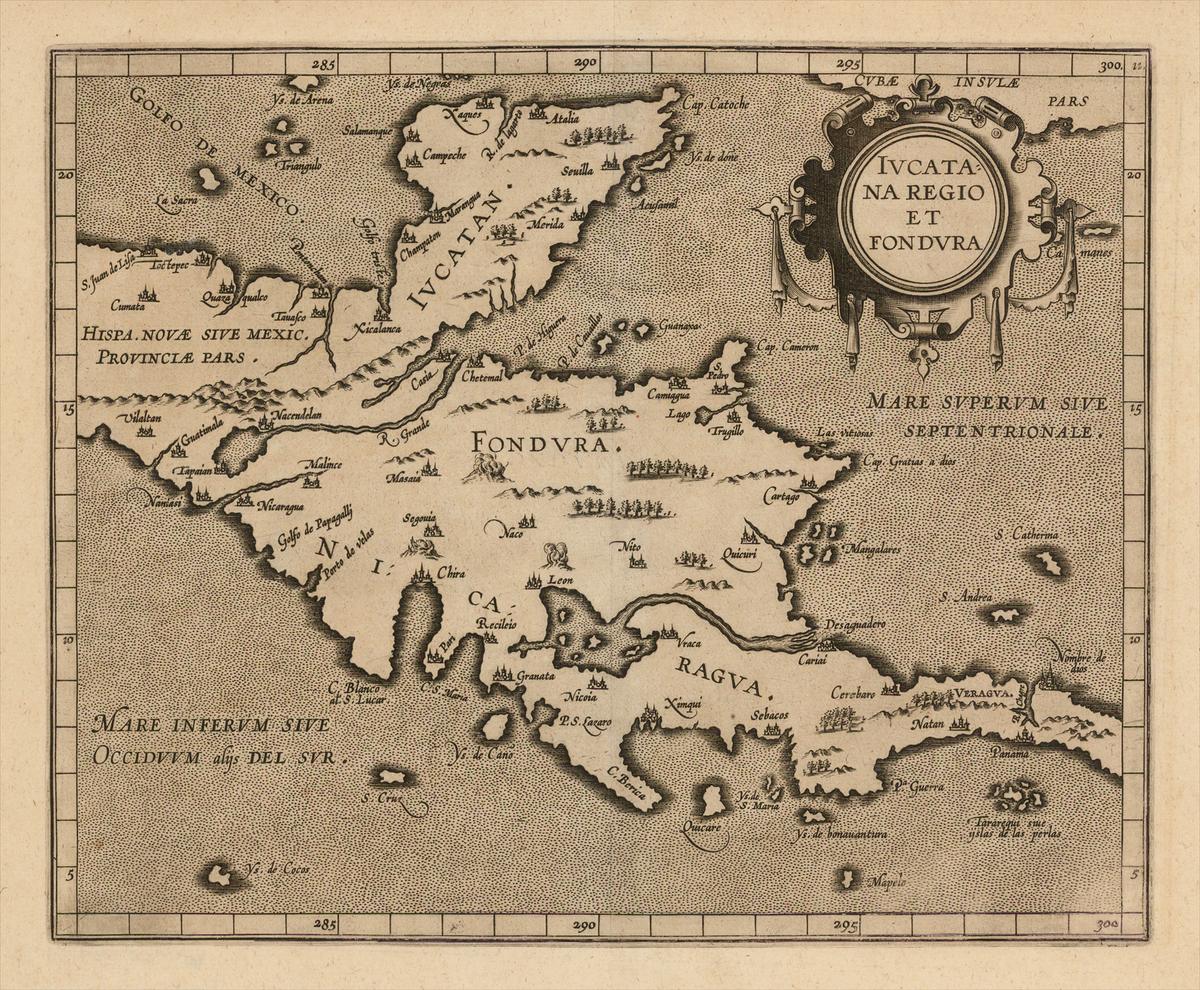

The Overland Route Into Central America
San Cristobal To The Colonial City
San Cristobal de las Casas sits in Chiapas, a highland town that functions as the last Mexican stop before Central America. From here, tourist shuttle companies run 10 to 12 hour shuttles over the Guatemala border into the old capital of Antigua. That city was inscribed as a UNESCO World Heritage Site in 1979. Its cobblestone streets and ruined Baroque churches are backed by the Volcan de Agua and Volcan de Fuego. The dry season runs November to April, the same window as Mexico City. The rainy season from May to October sends mudslides across the cobblestones and obscures the volcano views. Stay three days. Acatenango is the overnight volcano climb worth doing; book with a company that provides proper boots and gaiters, not just a guide with a walking stick. The summit view of Volcan de Fuego erupting at night is the single most dramatic natural sight on this route, and the only one that justifies the 3:00 AM wake-up call.
Maya Ruins And The Long Haul To Nicaragua
From Antigua, another shuttle runs 5 to 6 hours to Copan Ruinas in Honduras. This is the most important Maya site in the southern lowlands, known for its hieroglyphic stairway and carved stelae. Arrive by 14:00 and enter the site immediately; the late afternoon light angles across the plazas and the tour groups have left. The drive between the two towns includes a border crossing at El Florido that takes 30 to 90 minutes depending on how many buses arrive at the same time. Carry a pen and photocopies of your travel document page and entry stamp. The final leg runs from Copan Ruinas to Granada, Nicaragua. The journey takes 12 to 14 hours: a shuttle to the Honduras-Nicaragua border at Guasaule or El Espino, then public bus or private transfer south. Granada was founded in 1524, making it the oldest colonial city on this route. Its Spanish Colonial and Neoclassical architecture line the main plaza. The dry season runs December to April, the rainy season from May to November. Book a room on Calle La Calzada for access to the lakefront and cathedral views, but expect street noise until midnight.
The Northern Territories: What Most Travellers Skip
Summer Is The Only Practical Window
Central America gets the overland travellers. Northern Canada gets almost no one. The three territories are larger than Mexico and hold fewer people than a medium-sized Mexican town. June to August offers 18 hours of daylight, passable gravel roads, and temperatures that barely reach 20 degrees Celsius. The Dempster Highway in Yukon runs from Dawson City to Inuvik, crossing into the Northwest Territories and the Arctic Circle. No gas stations for long stretches. Fill up at every opportunity. Book the Tombstone Territorial Park campground in advance; the sites fill by mid-July. Winter travel from November to March means darkness, temperatures below minus 30, and closed roads except for the Ice Road to Tuktoyaktuk, which is only open to vehicles when the Mackenzie River ice is thick enough. Do not attempt it without a local guide and a vehicle equipped with block heaters and studded tires.
Catching The Lights
The Aurora Borealis is visible from mid-August to April, with peak activity around the equinoxes. Yellowknife in the Northwest Territories is the most accessible viewing point: fly in, book a lodge with a wake-up call system, and arrive by late August before the cloud cover sets in.
Mexico and Central America Travel Guide: the Route in Numbers
The distances along this route punish haste.
- Mexico City to Oaxaca: 460 km, 6 to 7 hours by ADO bus. Book the 07:00 departure to arrive by early afternoon.
- Oaxaca to San Cristobal de las Casas: 580 km, 11 to 12 hours by ADO/OCC bus. The overnight option saves a hotel night. Bring a neck pillow and earplugs.
- San Cristobal de las Casas to Antigua Guatemala: 430 km, 10 to 12 hours by tourist shuttle. The border at La Mesilla is the busiest; expect a 45 minute stop.
- Antigua Guatemala to Copan Ruinas: 200 km, 5 to 6 hours by shuttle. The crossing at El Florido is quieter.
- Copan Ruinas to Granada, Nicaragua: 620 km, 12 to 14 hours total. Split it with an overnight in San Salvador or Leon if your schedule allows.
Granada's dry season runs December to April, same as Antigua. If you hit the rainy season from May to November in any of the Central American stops, the roads into Copan and Granada become slower but remain passable. The hurricane season from June to November poses a real risk to the Caribbean coast of Nicaragua and Honduras. Avoid the Atlantic coast altogether from August through October. Stick to the Pacific side where Granada sits at 62 meters elevation and the storms are weaker.
.jpg)
The Hard Truth About This Route
This is not a trip for the traveller who wants everything to be easy. The roads are long, the border crossings are slow, and the rain seasons are real. The Atlantic hurricane season from June to November can shut down entire regions for days. The bus from Oaxaca to San Cristobal takes 11 hours overnight and arrives at 06:00 to a town that is cold and damp. The shuttle from Copan to Granada takes 12 to 14 hours with two border crossings and a change of vehicle. The reward is the opposite of a beach resort: the experience of moving across a continent by land, watching the architecture shift from Spanish colonial to Maya revival, the food from mole to pupusas to gallo pinto, and the language from Spanish to the surviving indigenous tongues of the highlands. If that sounds like a vacation, book the flight to Cancun. If it sounds like travel, this route is the one.
Countries in North America
-
 Honduras
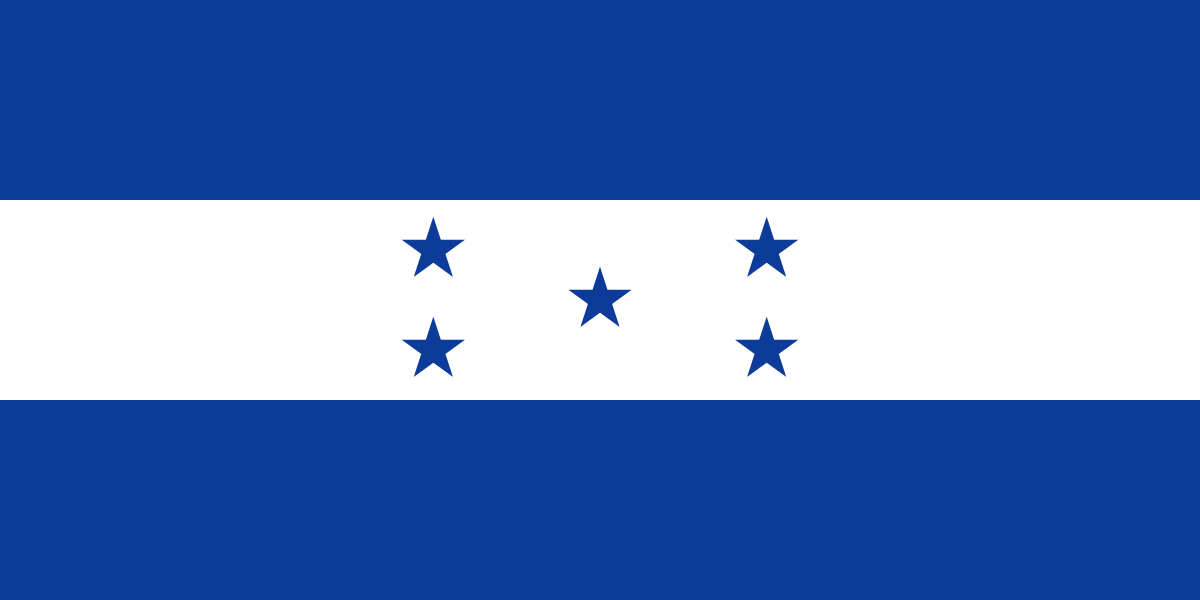
An inland route through Honduras, from Tegucigalpa's mountain bowl to Comayagua's colonial plazas and the cool Lenca highlands around La Esperanza.
Honduras
An inland route through Honduras, from Tegucigalpa's mountain bowl to Comayagua's colonial plazas and the cool Lenca highlands around La Esperanza.
-
 Mexico
A ground-level travel guide to northern and central Mexico's working cities—Chihuahua, Juarez, Leon, and Acapulco—for those looking past the beaches and pueblos mágicos.
Mexico
A ground-level travel guide to northern and central Mexico's working cities—Chihuahua, Juarez, Leon, and Acapulco—for those looking past the beaches and pueblos mágicos.
Common Questions
What documents do I need for the Mexico to Guatemala land border?
Most non Central American travellers need only a passport. Mexico uses the FMM tourist card, valid 180 days. Guatemala is part of the CA 4 border control agreement with El Salvador, Honduras, and Nicaragua, which allows 90 visa free days across all four countries.
Is the overland route from Mexico to Nicaragua safe?
It is safe for the prepared traveller. The main risk is petty theft on buses and at border crossings. Keep your passport and money in a hidden pouch. Do not travel after dark on rural roads. The route from Antigua to Granada passes through no active conflict zones, but check the advisory for Nicaragua before crossing the border, as political conditions shift.
When should I book accommodation on this route?
Book ahead for Antigua Guatemala and Granada during dry season (December to April). In Mexico City and Oaxaca, book one week ahead. In Copan Ruinas and San Cristobal de las Casas, you can arrive and find a room same day except during Christmas and Semana Santa.
What is the best way to carry money across these countries?
Carry a mix of US dollars in small denominations and a debit card with no foreign transaction fees. ATMs in Mexico City, Oaxaca, Antigua, and Granada dispense local currency reliably. Smaller towns and border crossings are cash only. Exchange dollars at banks, not street changers.
How long does the Mexico to Nicaragua overland trip take?
Minimum 10 days if you rush the driving and skip stops. A practical itinerary with three days each in Mexico City, Oaxaca, and San Cristobal, plus two in Antigua and two in Granada, takes 18 to 21 days. The driving itself consumes about 35 hours on buses and shuttles.
What is the biggest mistake travellers make on this route?
Treating the US as the sole destination and Central America as a risky add on. The colonial cities, Maya ruins, and indigenous markets of Mexico and Central America are the primary draw. The USA is a flight connection. Plan your itinerary from south to north, not the other way around.
Should I skip northern Canada entirely if I only have three weeks?
Yes. Northern Canada requires a separate trip of at least 10 days. The distances are too large for a quick add on. Fly into Whitehorse or Yellowknife in summer, rent a 4x4, and commit to a single territory. Do not attempt to combine it with Mexico and Central America in one trip.
Read next
-
Honduras
An inland route through Honduras, from Tegucigalpa's mountain bowl to Comayagua's colonial plazas and the cool Lenca highlands around La Esperanza.
-
Mexico
A ground-level travel guide to northern and central Mexico's working cities—Chihuahua, Juarez, Leon, and Acapulco—for those looking past the beaches and pueblos mágicos.
-
 Getting to Nauru, the Pacific State Where Air Schedules Define Your Stay
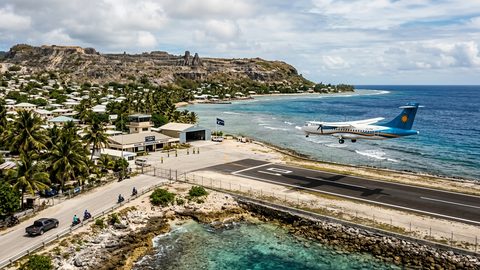
A logistics briefing on reaching Nauru by air — covering weekly flights from Brisbane and Honiara, visa-on-arrival requirements, and planning around fixed departure dates.
Getting to Nauru, the Pacific State Where Air Schedules Define Your Stay
A logistics briefing on reaching Nauru by air — covering weekly flights from Brisbane and Honiara, visa-on-arrival requirements, and planning around fixed departure dates.
-
 Nauru, the Pacific Republic That Phosphate Built and Nearly Erased
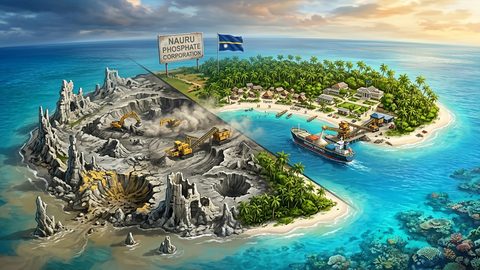
Nauru is one of the Pacific's most overlooked republics. A candid guide to topside, Buada Lagoon, colonial history, and how to actually get there.
Nauru, the Pacific Republic That Phosphate Built and Nearly Erased
Nauru is one of the Pacific's most overlooked republics. A candid guide to topside, Buada Lagoon, colonial history, and how to actually get there.
-
 Planning Independent Travel in the Wakhan Corridor, Tajikistan
Independent travel in Tajikistan's Wakhan Corridor: GBAO permits, road conditions from Ishkashim, realistic travel windows, and honest logistics for serious overlanders.
Planning Independent Travel in the Wakhan Corridor, Tajikistan
Independent travel in Tajikistan's Wakhan Corridor: GBAO permits, road conditions from Ishkashim, realistic travel windows, and honest logistics for serious overlanders.